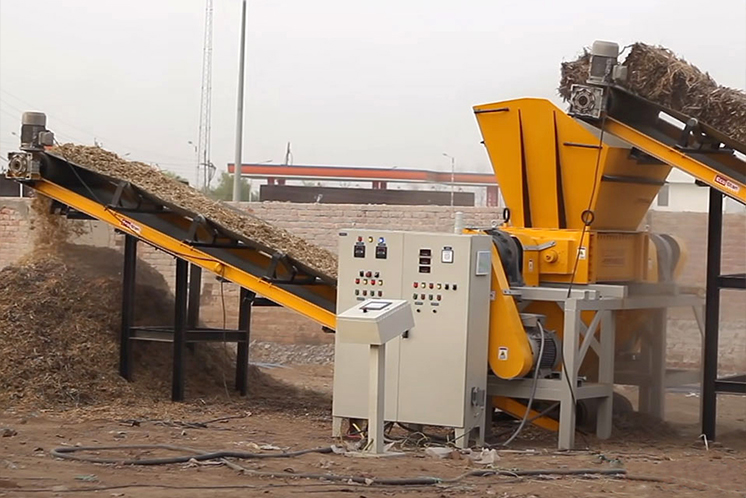

In today’s manufacturing landscape, handling industrial waste safely and efficiently has become more crucial than ever. With industries expanding and adopting more complex production systems, the amount of scrap, rejects, and by-products generated has grown significantly. This rise in waste—whether plastic, metal, rubber, wood, food processing residues, electronics scrap, or municipal solid waste—creates challenges in safety, compliance, and environmental responsibility.
One of the most effective solutions for these challenges is the use of an Industrial Waste Shredder.
Industrial waste shredders play a central role in reducing waste volume, streamlining recycling processes, protecting the workforce, and ensuring manufacturers meet national and international regulatory standards. Here’s a detailed look at how these machines enhance safety and compliance in manufacturing units.
1. Enhancing On-Site Safety Through Waste Size Reduction
One of the primary advantages of using an Industrial Waste Shredder is improved workplace safety. Large pieces of waste—such as wood logs, metal sheets, plastic lumps, or rejected components—can pose serious hazards. Workers handling bulky waste manually are vulnerable to injuries like cuts, falls, or musculoskeletal strain.
Industrial waste shredders minimize these risks by:
● Reducing bulk waste into manageable sizes
Shredded materials are easier and safer to handle, transport, and store. This prevents accidents caused by oversized or heavy waste items lying around.
● Eliminating manual cutting or breaking of waste
Without shredders, workers often rely on unsafe, labor-intensive methods to reduce the size of waste material. Automated shredding removes this risk completely.
● Preventing blockage in waste handling systems
Large chunks can clog conveyors, bins, or compactors, leading to downtime and unsafe maintenance procedures. Shredders break down material beforehand, ensuring smooth waste flow.
By reducing waste volumes and converting them into uniform pieces, the shredder creates a much safer operational environment for the workforce.
2. Supporting Fire Safety by Managing Flammable Waste
Flammable waste such as paper, cardboard, textile scraps, plastic film, and wood pieces can accumulate quickly in manufacturing plants. If not handled properly, these materials become fire hazards.
An Industrial Waste Shredder improves fire safety by:
● Minimizing waste accumulation
Large piles of scrap create fuel for accidental fires. Shredded waste is compact and easier to dispose of in real time.
● Facilitating proper storage
Shredded material can be stored in fire-safe bins, reducing the risk of accidental ignition.
● Speeding up waste removal
Smaller waste takes less time to transport to collection points or recycling units, reducing exposure to potential ignition sources in the factory.
Fire safety officers often recommend shredding as a proactive fire risk mitigation practice.
3. Ensuring Regulatory Compliance for Waste Handling and Disposal
Manufacturing units must comply with strict waste-handling laws imposed by pollution control boards, safety departments, and environmental management standards such as ISO 14001. Failure to follow these guidelines may lead to penalties, shutdowns, or legal actions.
An Industrial Waste Shredder helps manufacturers meet these regulatory requirements by:
● Supporting proper segregation and disposal
Shredders ensure that waste is processed before disposal, making it easier to categorize recyclable, reusable, or disposable materials.
● Reducing waste volume to meet legal disposal limits
Local regulations often place restrictions on the amount of waste transported or dumped. Shredders minimize volume and ensure compliance.
● Assisting in record-keeping
Automated shredding systems can integrate with digital monitoring tools to maintain accurate data regarding waste output, which is useful during audits.
● Enabling eco-friendly waste management
Authorities favor manufacturing units that adopt environmentally responsible practices, including shredding and recycling.
Compliance becomes much easier with shredders integrated into the overall waste management system.
4. Protecting Intellectual Property and Product Confidentiality
Many manufacturing units produce specialized components, prototypes, molds, packaging materials, defective products, or branded items. Disposing of these intact can risk:
-
Product replication
-
Brand misuse
-
Leakage of proprietary designs
-
Counterfeiting in the market
An Industrial Waste Shredder securely destroys rejects, expired items, faulty parts, and confidential materials, ensuring that no product leaves the facility in a usable form. This safeguards intellectual property and protects the brand’s reputation.
Industries such as electronics, automotive, pharmaceuticals, and defense rely heavily on shredders for secure destruction of sensitive materials.
5. Improving Overall Waste Management Efficiency
A manufacturing unit that processes high volumes of waste often struggles with storage, handling, and disposal. Shredders address this challenge in several ways.
● Reduced storage space
Shredded waste requires significantly less storage, freeing up valuable floor area.
● Efficient transport
Shredded materials are lightweight, uniform, and compact, making them easier to move within and outside the facility.
● Better recycling and reuse
Shredded plastics, wood, metal, and biomass can directly enter recycling or briquetting systems, promoting a circular economy.
● Lower operational cost
When waste is compact and easy to handle, the cost of transportation, labor, and disposal decreases.
● Increased productivity
By minimizing waste-related disruptions, manufacturing lines operate smoothly and more efficiently.
In short, shredders turn waste management into a streamlined, cost-efficient process.
6. Reducing Environmental Impact
Sustainability has become a major concern for modern manufacturing plants. Shredders help reduce environmental impact by:
-
Promoting recycling and material recovery
-
Minimizing landfill waste
-
Lowering transportation emissions through compact waste
-
Supporting cleaner, more organized work environments
Industries using shredders can more easily adopt sustainability models and reach environmental targets.
Conclusion: Building Safer and Compliant Manufacturing Environments with Advanced Shredding Solutions
Industrial waste management is not just about disposal—it’s about safety, environmental care, regulatory compliance, and operational efficiency. An Industrial Waste Shredder is a vital machine that empowers manufacturing units to meet these demands with ease. From reducing workplace hazards to ensuring secure disposal and maintaining regulatory compliance, industrial shredders form the backbone of modern waste-handling systems.
If you’re looking for reliable, durable, and high-performance shredding solutions, Ecosyan Machines is a trusted name in the industry. Known for manufacturing robust waste management machinery designed for continuous heavy-duty operations, Ecosyan Machines offers efficient shredders tailored to diverse industrial applications. Their commitment to quality, innovation, and customer satisfaction makes them a preferred choice for manufacturing units seeking advanced waste-handling equipment.