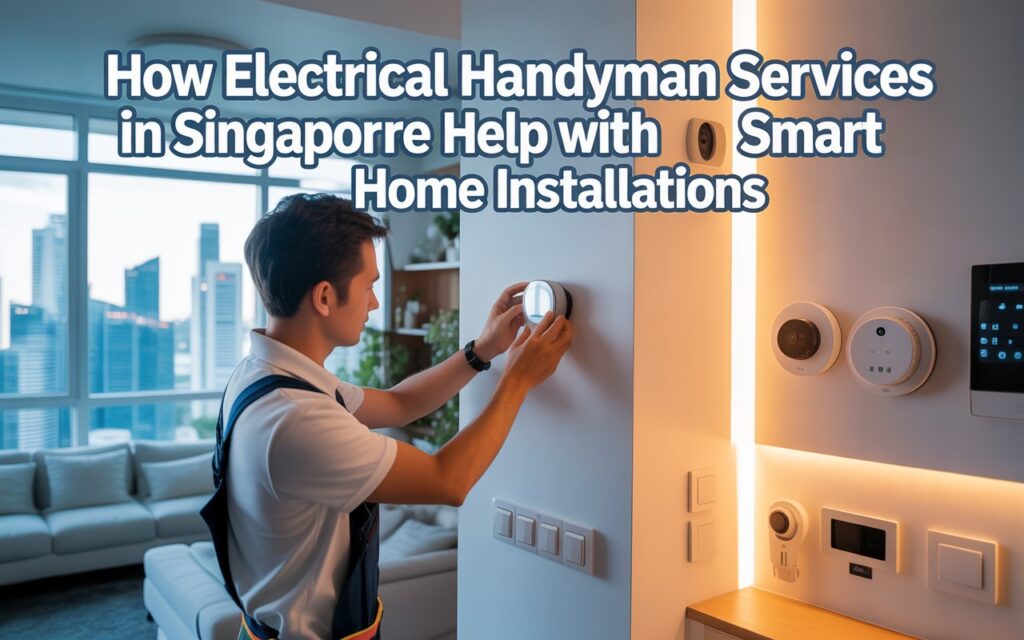

I had been thinking about upgrading my home to a smart setup for a long time. Every time I saw someone control their lights with a phone or unlock their front door remotely, I told myself I would get around to it eventually. Last year, I finally did. What followed was one of the most eye-opening home improvement experiences I have had, and not entirely for the reasons I expected.
I assumed the whole process would be straightforward. Buy the devices, follow the app instructions, and everything would work seamlessly. The reality was quite different, and if you are planning a similar upgrade, I think my experience might save you a lot of time, frustration, and possibly a few safety scares.
Where It All Started to Get Complicated
My plan was simple enough. I wanted smart lighting in the living room and bedrooms, a video doorbell at the front entrance, a couple of smart switches in the kitchen, and a security camera covering the main door. Nothing too ambitious, or so I thought.
The first device I tried to install on my own was a smart switch. I watched a couple of videos, turned off the power, opened the wall panel, and immediately felt out of my depth. The wiring configuration in my flat did not match what the videos showed. There were more wires than expected and the colour coding was slightly different. I was not confident about which wire went where, and I did not want to guess with something electrical.
The smart doorbell was another challenge. The existing doorbell wiring in my home was old and did not supply the consistent voltage that the new device needed. Without the right setup, the doorbell would either not work properly or drain its battery far too quickly.
At that point I stepped back and made the decision to bring in professional help. It turned out to be one of the better choices I made during the entire project.
Why Professional Help Made a Real Difference
When the technician arrived, the first thing he did was assess the existing wiring throughout the home before touching a single device. That alone told me I had made the right call. He identified two areas where the wiring was outdated and would have caused problems if I had connected new smart devices without addressing them first. Issues I would never have spotted on my own.
The smart switches were installed cleanly and correctly within a short time. He knew exactly how to handle the neutral wire situation, which is a common challenge in older Singapore flats where neutral wires are not always present in the switch box. Some smart switches require a neutral wire to function, and there are workarounds available, but knowing which approach suits your specific wiring setup requires experience.
The smart lighting system was wired in a way that allowed everything to connect to a single hub, making it easy to control all the lights from one app. The technician also made sure the load capacity was appropriate so there would be no overheating or tripping issues down the line.
For the video doorbell, he installed a proper transformer to ensure stable voltage supply, which is what the device needed to perform reliably. The security camera was mounted at the right angle and height, with the cable routed neatly along the wall rather than hanging loosely, which made the whole setup look far more finished than I could have managed.
Common Mistakes People Make on Their Own
Having spoken with the technician during the job, I learned that he regularly gets called in to fix smart home installations that went wrong. A few of the most common issues he mentioned were connecting devices to circuits that cannot handle the additional load, using incompatible switches that look similar but are wired differently, ignoring earthing requirements, and mounting cameras or doorbells in positions that create blind spots or get washed out by direct sunlight.
Another frequent mistake is skipping compatibility checks. Not every smart device works with every hub or ecosystem. Buying several devices from different brands without checking whether they communicate with each other can result in a home full of gadgets that cannot be controlled from a single app, which defeats the entire purpose.
Attempting to extend or modify wiring without proper knowledge is also more common than people realise, and it carries genuine safety risks including short circuits, electrical fires, and device damage.
Cost Versus Value: Was It Worth the Money
I will not pretend that hiring a professional is the cheapest option. There is a service fee involved, and depending on the scope of work, it can add a noticeable amount to your total smart home budget. But when I weighed that cost against the hours I had already spent struggling, the potential cost of damaging new devices through incorrect wiring, and the safety risks I was unknowingly taking, the decision felt entirely justified.
The job was completed in a single visit, everything worked correctly from the start, and I had the peace of mind of knowing the wiring behind my walls was safe and up to standard. That combination of time saved, stress avoided, and quality delivered made the investment feel very worthwhile.
How the Right Help Made Everything Smoother
What made the biggest difference was working with electrical handyman services in Singapore that understood both the technical side of wiring and the specific requirements of smart home devices. It is a combination that not every general handyman offers. Smart home installation is not just about plugging things in. It involves understanding load requirements, wireless protocols, hub compatibility, and how new devices interact with older infrastructure.
A technician who has worked on multiple smart home setups brings practical knowledge that no instruction manual can fully replace. He knew which brands tended to cause compatibility issues, which switches worked best in older HDB flats, and how to route cables in a way that kept the home looking neat rather than like a cable management nightmare.
Conclusion: Would I Do It the Same Way Again
Without hesitation, yes. My smart home setup has made daily life noticeably more convenient. The lighting adjusts automatically in the evening, the doorbell lets me see who is at the door from anywhere, and the security camera gives me genuine peace of mind when I am away. None of that would have come together as smoothly if I had insisted on doing everything myself.
If you are planning a smart home upgrade in Singapore, my honest advice is to start by consulting reliable electrical handyman services in Singapore before purchasing your devices. A quick assessment of your existing wiring and a conversation about what you want to achieve can save you from buying incompatible products and running into problems mid-installation.
Smart home technology is genuinely worth it. But getting it set up properly from the beginning is what makes the difference between a home that works beautifully and one that causes more frustration than convenience.