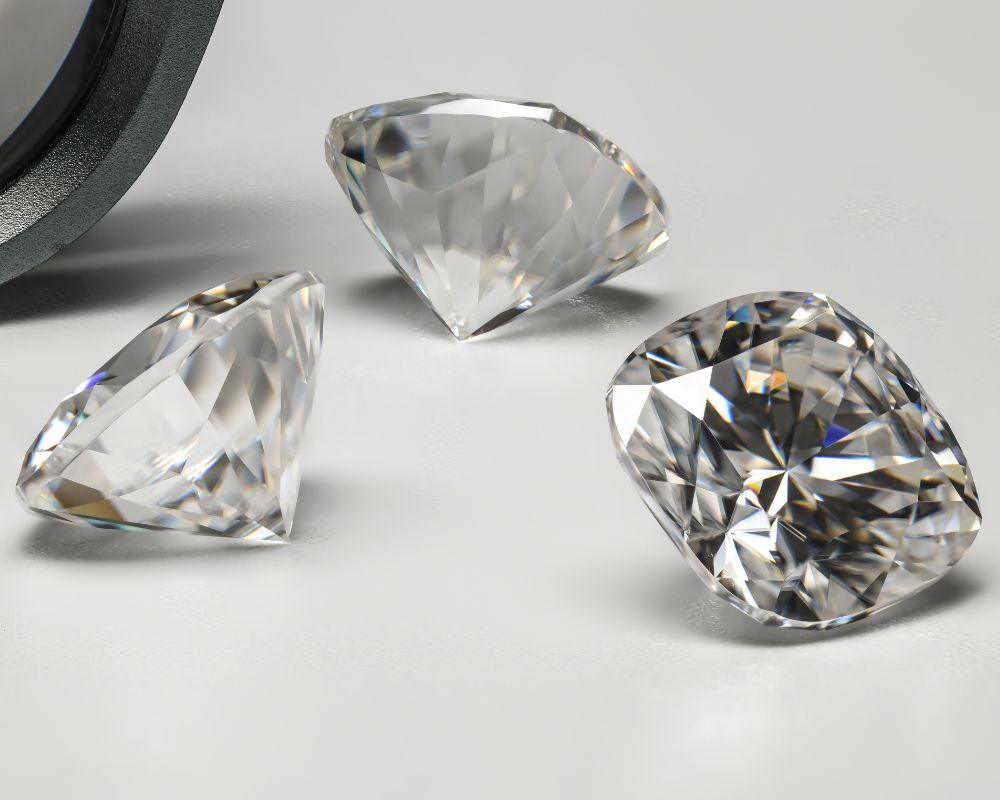

Moissnite World has witnessed increasing interest in how alternative gemstones influence long-term jewelry value. Moissanite stands out for its brilliance, affordability, and ethical production. Buyers appreciate its sparkle, yet many question whether it holds financial value over time. Jewelry purchases combine emotional meaning with monetary considerations. Understanding how moissanite performs in resale markets, durability tests, and consumer perception helps buyers make informed decisions. A clear evaluation of value drivers ensures realistic expectations and smarter purchasing strategies.
Knowing Moissanite
Moissanite was first discovered by Henri Moissan in 1893 within a meteor crater. Modern moissanite is lab-created, offering consistent clarity and color. Its optical properties often produce more fire than diamonds, creating noticeable brilliance. Controlled production ensures availability, which stabilizes pricing across global markets. Unlike rare natural gemstones, moissanite’s supply does not depend on mining limitations, directly influencing its long-term financial behavior and resale positioning.
Initial Purchase Value
Moissanite jewelry typically costs significantly less than comparable diamond pieces. Lower pricing enables buyers to select larger center stones or intricate designs within a defined budget. Financial accessibility attracts a wide audience seeking luxury without premium costs. However, affordable entry prices generally limit future resale margins. Jewelry value often reflects scarcity and brand prestige, both of which are less dominant factors in standard moissanite collections available in competitive retail markets.
Market Demand Trends
Consumer interest strongly affects how gemstones retain value. Moissanite appeals to buyers seeking ethical sourcing and cost efficiency. Its lab-grown origin aligns with environmentally conscious purchasing trends. Demand growth supports steady retail pricing but does not create rarity-based appreciation. Traditional diamonds continue to dominate symbolic and cultural narratives in engagement markets. Market perception remains a powerful influence on whether moissanite jewelry maintains stable resale performance over extended ownership periods.
Durability and Longevity
Moissanite ranks 9.25 on the Mohs hardness scale, positioning it just below diamonds in scratch resistance. Strong durability supports daily wear, especially for engagement rings and frequently worn pieces. Long-term brilliance depends on proper cleaning and maintenance. Structural integrity plays a major role in resale appeal. Jewelry that retains its polish and clarity remains more attractive to second-hand buyers seeking visually impressive yet affordable alternatives to natural gemstones.
Resale Potential
Resale markets for moissanite are smaller than those for diamonds. Since the gemstone is lab-created and widely available, scarcity does not drive secondary pricing. Private buyers and online marketplaces serve as the primary resale channels. Established diamond grading systems, including those from Gemological Institute of America, support diamond resale confidence. Moissanite lacks equivalent universal certification standards, which can influence buyer trust and resale consistency.
Factors Influencing Long-Term Value
Brand reputation plays an important role in jewelry pricing. Recognized jewelers often command stronger resale attention due to perceived craftsmanship and quality assurance. Precious metal settings such as gold or platinum carry intrinsic value independent of the gemstone. Stone size and precision cutting affect visual impact, which influences buyer appeal. Market awareness and overall condition also determine how much value a piece retains after years of wear and ownership.
Comparison with Diamonds
Diamonds maintain historical prestige supported by decades of marketing and cultural symbolism. Natural scarcity and established grading systems create stronger resale networks. Moissanite delivers similar visual brilliance at a fraction of the price but does not share the same rarity narrative. Financially, diamonds may retain a higher percentage of their original purchase cost. Moissanite prioritizes affordability and appearance over long-term investment appreciation. Buyers should align expectations accordingly.
Emotional vs Financial Value
Jewelry value extends beyond measurable market returns. Engagement rings, anniversary gifts, and milestone pieces carry deep personal meaning. Moissanite provides aesthetic beauty and ethical sourcing without financial strain. Emotional satisfaction often outweighs potential resale considerations. Owners frequently prioritize symbolism and daily enjoyment over long-term profit. Personal value, in many cases, becomes the defining factor in assessing whether a jewelry purchase was worthwhile.
Certification and Grading
Standardized grading improves transparency in gemstone markets. Diamonds benefit from widely accepted grading reports detailing clarity, cut, color, and carat weight. Moissanite grading varies between manufacturers, leading to less uniform evaluation systems. Documentation still strengthens resale credibility, especially for higher-quality stones. Buyers seeking stronger long-term value should request detailed specifications and certificates from reputable sellers to ensure consistent quality verification.
Impact of Metal Choice
The gemstone is only one component of a jewelry piece’s total worth. Gold and platinum possess intrinsic value influenced by global commodity markets. Metal prices fluctuate independently from gemstone trends. High-quality metal settings can preserve partial value even if the stone depreciates. Buyers focused on value retention should consider premium metals, as they contribute measurable financial stability over time.
Customization and Craftsmanship
Unique design and expert craftsmanship can positively influence resale interest. Custom-made moissanite jewelry reflects individuality and artistic detail. Skilled settings, secure prongs, and balanced proportions improve longevity and appearance. Mass-produced designs may experience quicker depreciation due to widespread availability. Buyers who invest in high-quality craftsmanship may experience steadier resale inquiries compared to generic retail options.
Sustainability Appeal
Environmental responsibility plays a growing role in purchasing decisions. Moissanite’s lab-created origin eliminates traditional mining impacts, appealing to eco-conscious buyers. Ethical sourcing strengthens brand storytelling and consumer loyalty. Sustainability alone does not guarantee appreciation, yet it supports consistent demand among specific buyer segments. Long-term market positioning may benefit as sustainability continues to influence luxury purchasing behavior.
Market Volatility
Jewelry markets respond to economic cycles and shifts in consumer spending habits. Luxury purchases often decline during economic slowdowns. Moissanite’s affordability can make it more resilient compared to higher-priced gemstones. Stable production costs also reduce extreme price fluctuations. Broader economic conditions still influence resale demand and buyer confidence across all gemstone categories.
Investment Perspective
Investment-focused buyers typically seek rare natural gemstones with established appreciation histories. Moissanite does not rely on scarcity-driven value growth. Financial returns are generally limited compared to traditional investment assets. Immediate visual appeal and budget flexibility represent its strongest advantages. Clear understanding of investment limitations allows buyers to prioritize satisfaction rather than speculative financial gain.
Conclusion
Moissanite jewelry offers brilliance, durability, and ethical production at an accessible price point. Long-term financial appreciation remains modest due to consistent supply and limited resale infrastructure. Factors such as metal quality, craftsmanship, documentation, and overall condition influence retained value. Buyers seeking aesthetic appeal and responsible sourcing will find strong benefits. Realistic expectations ensure that moissanite is appreciated primarily for personal enjoyment rather than investment growth.
FAQs
1. Does moissanite hold its value over time?
Moissanite maintains stable retail pricing but rarely appreciates. Consistent supply limits scarcity-driven resale growth.
2. Is moissanite better than diamonds for investment?
Diamonds typically retain higher resale percentages due to established grading systems and rarity perception.
3. How durable is moissanite jewelry?
Moissanite ranks 9.25 on the Mohs scale, offering excellent resistance to scratches and daily wear damage.
4. Does gold increase the value of moissanite jewelry?
Gold and platinum settings carry intrinsic market value, supporting partial financial retention.
5. Can moissanite be resold easily?
Resale is possible through private channels and online platforms, though returns are usually lower than diamonds.