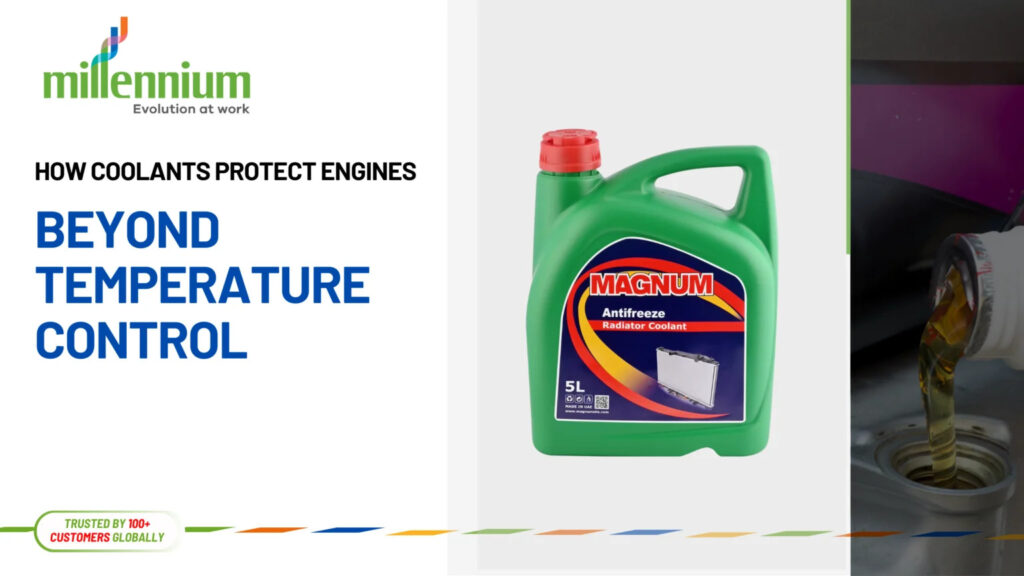

What Exactly Is Engine Coolant?
Engine coolant, often referred to as antifreeze, is a specially formulated liquid that circulates through an engine’s cooling system to regulate temperature and protect critical components. It is typically a mixture of water and chemical additives such as ethylene glycol or propylene glycol, combined with corrosion inhibitors. While many people assume coolant simply prevents overheating, it actually performs multiple essential functions that contribute to overall engine efficiency and longevity.
How Coolant Regulates Engine Temperature
The primary function of engine coolant is to absorb excess heat generated during combustion and transfer it away from engine components. As the engine runs, coolant flows through passages in the engine block and cylinder head, capturing heat and carrying it to the radiator, where it is dissipated into the air. This continuous cycle prevents overheating in hot conditions and freezing in colder climates. By maintaining an optimal operating temperature, coolant ensures efficient fuel combustion, reduces wear, and helps the engine perform at its best under varying driving conditions.
Beyond Temperature: The Hidden Roles of Coolant
Beyond temperature regulation, coolant plays several hidden yet vital roles. It protects metal components from corrosion by forming a chemical barrier that prevents rust and oxidation. It also lubricates moving parts within the cooling system, such as the water pump, reducing friction and wear. Additionally, coolant helps prevent scale and deposit formation inside the engine, which could otherwise restrict flow and reduce heat transfer efficiency. These functions collectively enhance engine durability and reduce the risk of costly repairs.
Understanding the Role of Anti-Freeze Agents
Anti-freeze agents are key ingredients in coolant formulations, responsible for lowering the freezing point and raising the boiling point of the liquid. This dual capability ensures that the coolant remains effective in both extremely cold and hot environments. The anti-freeze coolant benefits include preventing the coolant from freezing and expanding during low temperatures, which could crack engine components, and avoiding boiling over during high heat conditions. These properties make coolant a year-round necessity rather than a seasonal fluid.
Choosing the Right Coolant Type
Selecting the correct coolant type is crucial for optimal engine protection. Different vehicles require specific formulations, such as Inorganic Additive Technology (IAT), Organic Acid Technology (OAT), or Hybrid Organic Acid Technology (HOAT) coolants. Each type has unique properties suited to different engine materials and operating conditions. Using the wrong coolant can lead to compatibility issues, reduced performance, or even damage to the cooling system. Always refer to the manufacturer’s recommendations to ensure proper selection.
MAGNUM Coolants — Trusted Protection for Every Engine
MAGNUM Coolants are designed to deliver reliable and long-lasting protection across a wide range of engines and operating environments. Engineered with advanced additive technology, they provide superior heat transfer, corrosion resistance, and system cleanliness. These coolants are suitable for both light-duty and heavy-duty applications, ensuring consistent performance even under demanding conditions. Their balanced formulation helps extend service intervals while maintaining optimal engine health.
Coolant Maintenance and Replacement Intervals
Regular maintenance of coolant is essential to keep the cooling system functioning effectively. Over time, coolant can degrade, losing its protective properties and becoming contaminated with debris or rust particles. Most manufacturers recommend checking coolant levels regularly and replacing it every 2 to 5 years, depending on the type used. Flushing the system during replacement helps remove old fluid and contaminants, ensuring that the new coolant performs efficiently.
How to Select the Right Coolant Mix
The correct coolant-to-water ratio is critical for achieving the desired performance. A typical mix is 50:50, which provides a balanced combination of heat transfer efficiency and freeze/boil protection. In extreme climates, slightly higher concentrations of coolant may be used, but excessive amounts can reduce heat dissipation क्षमता. Always use distilled water for mixing to prevent mineral deposits and ensure consistent performance. Pre-mixed coolants are also available for convenience and accuracy.
Final Word
Engine coolants are far more than temperature regulators—they are essential fluids that protect, lubricate, and enhance engine performance in multiple ways. From preventing corrosion and scaling to ensuring reliable operation in extreme conditions, coolant plays a critical role in maintaining engine health. Choosing the right type, maintaining proper levels, and following recommended service intervals can significantly extend the life of your engine and improve overall vehicle efficiency.