
Understanding how your vehicle moves smoothly over bumps, potholes, and uneven roads starts with one essential system: the suspension. While many drivers only think about car suspension repair when something goes wrong, knowing how the system works can help you prevent issues, improve driving comfort, and extend the life of your vehicle.
This guide breaks down the basics of car suspension systems in a way that’s easy to follow, even if you have no technical background.
What Is a Car Suspension System?
A car suspension system is a network of components that connects your vehicle to its wheels. Its primary role is to manage the impact of the road while keeping your tires in contact with the surface. Without it, every bump would transfer directly into the car’s body, making driving uncomfortable and unsafe.
The suspension doesn’t just absorb shocks—it also stabilizes your car during turns, braking, and acceleration. This ensures better control and a smoother ride overall.
Why Suspension Systems Matter
A well-functioning suspension system affects more than just comfort. It plays a direct role in safety, handling, and tire wear.
Here’s why it matters:
- Improved stability: Keeps the car balanced on uneven roads
- Better handling: Helps maintain control when steering or cornering
- Enhanced braking: Keeps tires firmly on the road for effective stopping
- Passenger comfort: Reduces the impact of bumps and vibrations
Ignoring suspension issues can lead to poor road grip, longer stopping distances, and increased wear on other parts of the vehicle.
Key Components of a Suspension System
To understand how suspension works, it’s important to look at the parts involved. Each component has a specific role, but they all work together to ensure smooth performance.
- Springs
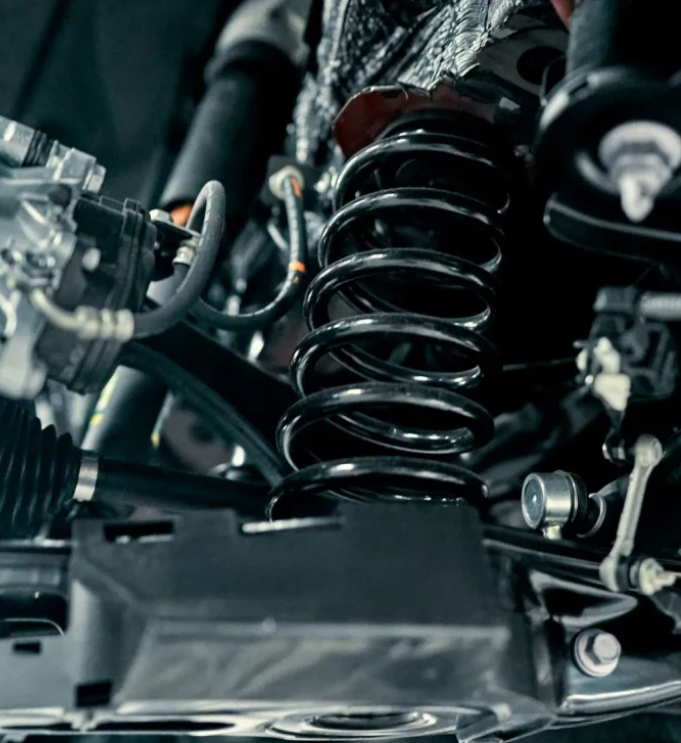
Springs are the backbone of any suspension system. They absorb the energy generated when your car hits bumps or dips in the road.
Common types include:
- Coil springs: Most widely used in modern vehicles
- Leaf springs: Typically found in trucks and heavier vehicles
- Air springs: Used in luxury cars for adjustable ride height and comfort
Springs compress and expand to absorb road shocks, preventing the vehicle body from bouncing excessively.
- Shock Absorbers (Dampers)
Shock absorbers work alongside springs to control their movement. While springs absorb impact, shock absorbers prevent excessive bouncing by damping the motion.
Without shock absorbers, your car would continue to bounce after every bump, making it difficult to control.
- Struts
Struts are a combination of a shock absorber and structural support. They play a dual role by helping with suspension movement and supporting the vehicle’s weight.
Many modern cars use struts instead of separate shocks because they are more compact and efficient.
- Control Arms
Control arms connect the wheels to the vehicle’s frame. They allow the wheels to move up and down while maintaining proper alignment.
These components are crucial for ensuring your tires stay in the correct position, especially during turns and rough driving conditions.
- Ball Joints
Ball joints act like pivot points between the wheels and suspension. They allow smooth movement and flexibility when steering.
If ball joints wear out, you may notice clunking sounds or loose steering.
- Anti-Roll Bars (Sway Bars)
Anti-roll bars help reduce body roll when the vehicle turns. They distribute weight evenly across all wheels, improving stability and control.
This is especially useful when taking sharp turns or driving at higher speeds.
How Suspension Systems Work Together
The suspension system works by absorbing and controlling the forces generated by road conditions. When your car hits a bump:
- Springs compress to absorb the impact
- Shock absorbers dampen the motion to prevent bouncing
- Control arms and joints guide movement while keeping wheels aligned
- Anti-roll bars stabilize the vehicle during shifts in weight
This coordinated action ensures that your car remains stable, comfortable, and safe to drive.
Types of Suspension Systems
Different vehicles use different types of suspension systems depending on their purpose and design.
Independent Suspension
In an independent system, each wheel moves separately. This allows better handling and ride quality because one wheel’s movement doesn’t affect the others.
Common in most passenger cars, this setup provides greater comfort and control.
Dependent Suspension
Also known as a solid axle system, this setup connects both wheels on the same axle. Movement on one side affects the other.
It’s commonly found in trucks and heavy-duty vehicles due to its durability and load-bearing capacity.
Semi-Independent Suspension
This type offers a balance between independent and dependent systems. It allows limited independent movement while maintaining some connection between wheels.
Often used in smaller cars, it provides a mix of cost efficiency and performance.
Signs Your Suspension System Needs Attention
Suspension systems wear out over time, especially if you frequently drive on rough roads. Recognizing early warning signs can help you avoid costly repairs.
Look out for:
- Excessive bouncing after hitting bumps
- Uneven tire wear
- Vehicle pulling to one side
- Nose-diving when braking
- Clunking or knocking sounds
- Rough or uncomfortable ride
If you notice any of these issues, it’s a good idea to have your suspension inspected by a professional.
Tips to Maintain Your Suspension System
Proper maintenance can extend the life of your suspension and improve your driving experience.
- Drive carefully over potholes and speed bumps
- Keep your tires properly inflated
- Schedule regular inspections
- Replace worn-out components promptly
- Avoid overloading your vehicle
These simple habits can prevent unnecessary wear and reduce the risk of sudden breakdowns.
How Suspension Affects Driving Experience
A healthy suspension system ensures that your vehicle responds accurately to your inputs. Whether you’re steering, braking, or accelerating, the suspension plays a role in how your car behaves.
- Smooth ride: Absorbs shocks and vibrations
- Better control: Keeps the vehicle stable in different conditions
- Reduced fatigue: Makes long drives more comfortable
- Improved safety: Maintains tire contact with the road
Even minor suspension issues can affect these factors, making your driving experience less enjoyable.
Final Thoughts
Car suspension systems may seem complex, but their purpose is straightforward: to keep your ride smooth, stable, and safe. From springs and shocks to control arms and sway bars, each component plays a role in managing how your vehicle interacts with the road.
Understanding these basics helps you identify early warning signs and make informed decisions about maintenance. Paying attention to unusual sounds, changes in ride quality, or handling issues can save you from bigger problems down the road.
When issues arise, addressing them promptly is important—not just for comfort, but for safety as well. Whether you’re dealing with worn-out shocks or damaged components, knowing what affects suspension repair cost can help you plan and maintain your vehicle more effectively.