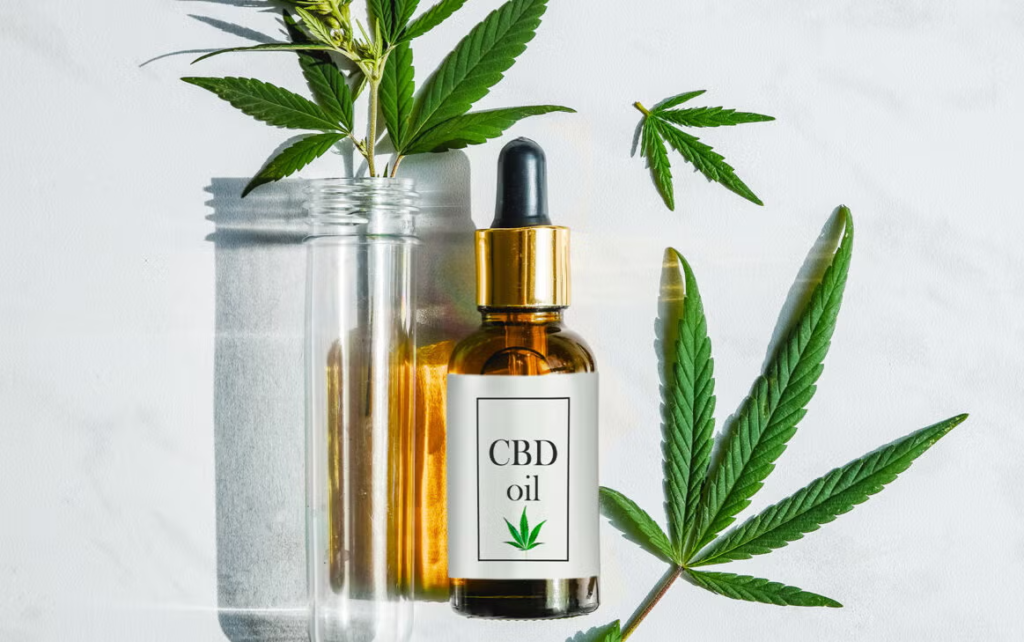

Navigating the CBD market can be overwhelming due to the wide range of products available. The Best Online CBD Store stresses that clear and accurate labeling is critical for safe selection. Labels provide transparency about potency, ingredients, and potential allergens. They allow consumers to make informed decisions aligned with their health requirements. Beyond marketing claims, precise labels act as protective tools. They ensure buyers understand the content, dosage, and proper use of the product. Reading labels carefully empowers consumers to select CBD safely and responsibly.
The Core Components of CBD Labels
CBD labels contain information essential for safe consumption. They indicate whether the product is full-spectrum, broad-spectrum, or isolate, which is important for those avoiding THC. Potency details, such as milligrams per serving or per bottle, allow users to manage intake effectively. Ingredients are listed to alert buyers to potential allergens or additives. Recognizing these core components equips consumers to choose products that meet their personal requirements. A well-labeled product provides clarity, reduces risk of adverse reactions, and builds consumer confidence.
How Potency Information Helps Buyers
CBD potency can vary significantly across brands and product types. Labels specifying CBD concentration help buyers start with a controlled dose and reduce the risk of overconsumption. Those using CBD for targeted wellness goals benefit from potency details to determine the correct dosage and frequency. Clear serving sizes and total milligrams per product ensure consumers manage intake safely. Carefully reviewing potency information allows buyers to monitor effects, avoid misuse, and achieve desired results. Accurate labeling of potency enhances confidence and supports responsible consumption habits.
Importance of Third-Party Lab Test Results
Reliable CBD labels reference third-party lab testing or Certificates of Analysis (COAs). These reports verify the claimed CBD content and confirm the absence of contaminants such as heavy metals, pesticides, and residual solvents. Labels citing lab testing provide reassurance that products meet safety standards. Shoppers are encouraged to review COAs to validate purity and potency. Transparency in lab results ensures that consumers are purchasing authentic, safe, and high-quality CBD. Third-party verification is one of the most effective methods for protecting buyer health and avoiding unsafe products.
Identifying Ingredients for Safety
Ingredient lists on CBD labels inform consumers about carrier oils, flavorings, and preservatives included in the product. This information helps those with allergies or dietary restrictions avoid adverse reactions. Ingredients may also affect absorption or interact with other medications. Being able to identify components allows consumers to select products aligned with their health needs. Transparent labeling builds trust between buyers and manufacturers. Detailed disclosure ensures users understand exactly what they are ingesting, reducing potential risks while providing confidence in product safety and quality.
Labels Indicating Usage Instructions and Warnings
CBD labels provide usage guidance, including recommended dosages, frequency, and storage instructions. Labels may also carry warnings, such as keeping products away from children or avoiding use while operating machinery. Following these instructions minimizes accidental misuse and ensures responsible consumption. Warnings highlight potential interactions or side effects, giving buyers critical safety information. Clear instructions and cautions on labels empower consumers to integrate CBD into their routines safely. Proper adherence to guidance improves user experience while reducing the chance of adverse outcomes.
Bullet Points: Quick Safety Checks on Labels
Consumers can quickly review labels to confirm safety before purchase:
-
CBD type and potency – full-spectrum, broad-spectrum, isolate; total milligrams per serving.
-
Ingredients – carrier oils, flavorings, and allergens.
-
Third-party lab testing – reference to COAs for purity and potency.
-
Usage instructions – dosage recommendations and storage guidance.
-
Warnings – age limits, medication interactions, or safety concerns.
Performing these checks ensures buyers choose trustworthy CBD efficiently.
Expiration Dates and Shelf Life
CBD products have limited shelf lives, and potency may decrease over time. Labels displaying expiration and manufacturing dates guide consumers in selecting fresh products. Proper storage information prevents degradation or oxidation of oils, maintaining effectiveness and safety. Ignoring expiration details may expose buyers to weakened or unsafe products. Checking these dates ensures responsible use, helping consumers consume CBD at its optimal potency. Awareness of shelf life protects health while enhancing overall confidence in product safety and reliability.
Legal Compliance Information on Labels
Labels indicate compliance with local and federal regulations, including THC content limits. Products within legal thresholds prevent unintended psychoactive effects. Legal compliance also reassures buyers that manufacturers follow regulatory standards. Labels may display certification logos or statements about adherence to laws. Consumers benefit from reviewing this information, avoiding potential legal or safety issues. Transparent compliance details strengthen trust and provide assurance that the product meets established safety and legal requirements.
Conclusion:
CBD labels offer more than marketing information—they are critical for consumer safety. They provide clarity on potency, ingredients, third-party testing, usage instructions, and legal compliance. Reading and understanding labels enables buyers to select products that align with health goals and reduce risks. Careful attention to labeling is one of the most effective ways to ensure safe, informed, and reliable CBD use. Properly interpreting labels empowers consumers to make secure choices in a growing and complex CBD market.
FAQs
1. What information is most important on a CBD label?
Potency, CBD type, ingredients, lab testing, usage instructions, and legal compliance are key safety indicators.
2. How do third-party lab tests improve CBD safety?
They verify CBD concentration and confirm the absence of contaminants, ensuring authenticity and safety.
3. Why should expiration dates be checked on CBD products?
CBD potency declines over time. Expiration dates help maintain safety and effectiveness.
4. What ingredients may cause adverse effects?
Allergens, preservatives, flavorings, or carrier oils may trigger reactions or interact with medications.
5. How does legal compliance information protect buyers?
It confirms THC levels are within legal limits and prevents unintended psychoactive effects or legal issues.