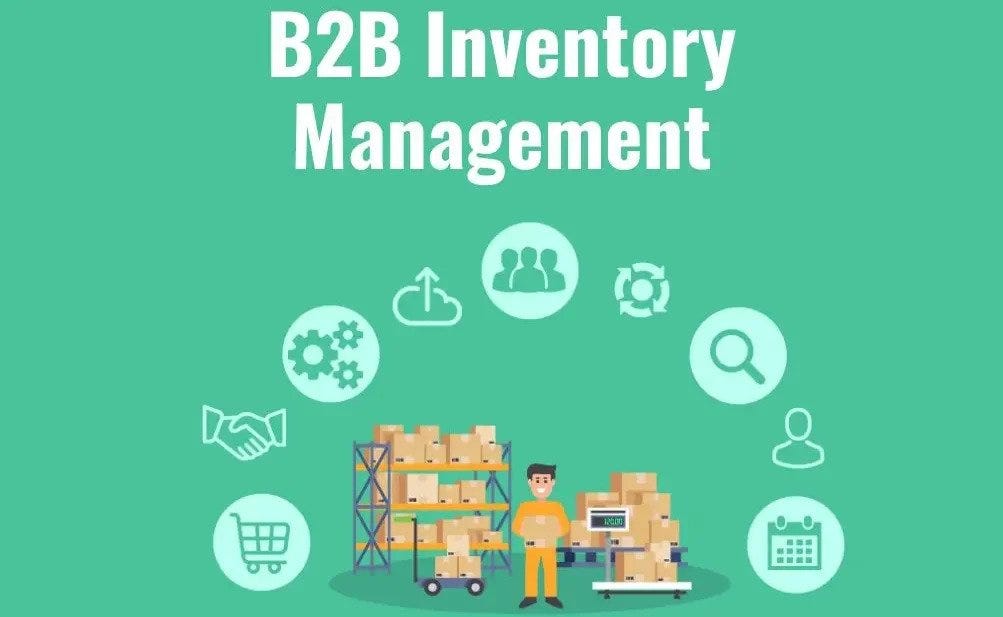

In today’s fast-paced market, accurate demand forecasting is no longer optional it’s essential. Businesses that fail to anticipate customer demand risk overstocking, stockouts, lost revenue, and dissatisfied customers. On the other hand, companies that predict demand accurately can streamline operations, reduce costs, and gain a competitive edge.
Historically, businesses relied on intuition, past experience, or basic historical trends to plan inventory and production. While these methods offered some guidance, they often fell short in dynamic markets where customer behavior and market conditions change rapidly. Modern organizations now turn to data-driven strategies and technology to forecast demand with precision.
Accurate demand forecasting helps businesses align inventory, production, and sales efforts with real-world demand. In this blog, we’ll explore the methods, strategies, and technologies that enable precise demand predictions and explain how leveraging tools like b2b inventory management software can enhance forecasting accuracy.
Understanding Demand Forecasting
Demand forecasting is the process of estimating future customer demand for products or services. It informs decisions across the supply chain, including inventory management, production planning, staffing, and logistics.
There are two main types of forecasting methods:
-
Qualitative Forecasting: Relies on expert judgment, market surveys, or insights from sales and marketing teams. Useful for new products or when historical data is limited.
-
Quantitative Forecasting: Uses historical sales data, statistical models, and algorithms to predict future demand. Ideal for products with established sales patterns.
In modern supply chains, accurate forecasting is often a blend of both approaches, supplemented with technology for real-time insights. Integrating these methods into a digital framework, such as b2b inventory management software, ensures that businesses have reliable data to make informed decisions.
Common Challenges in Demand Forecasting
Even with the best intentions, demand forecasting can be challenging due to several factors:
-
Fluctuating Customer Demand: Sudden changes in customer preferences or unexpected spikes can disrupt forecasts.
-
Seasonal Trends and Market Volatility: Holidays, seasonal trends, or market disruptions require adaptive forecasting models.
-
Limited or Poor-Quality Data: Incomplete sales history or inconsistent data reduces accuracy.
-
Overproduction or Stockouts: Incorrect forecasts lead to excess inventory or insufficient stock, impacting profitability and customer satisfaction.
Addressing these challenges requires a combination of historical analysis, real-time market insights, and advanced technology.
Key Strategies for Accurate Demand Forecasting
Leveraging Historical Sales Data
Analyzing historical sales data is one of the most reliable ways to predict future demand. By identifying patterns, seasonal trends, and anomalies, businesses can develop more accurate forecasts. Historical data helps determine typical demand cycles, peak periods, and potential risks of overstocking or understocking.
Incorporating Market and Industry Trends
External market factors, such as competitor activity, pricing changes, and economic indicators, influence demand. Businesses that track these trends can adjust forecasts to reflect real-world market conditions, ensuring more accurate planning.
Utilizing Customer Insights
Customer behavior is a strong predictor of future demand. Feedback, purchase history, loyalty program data, and online interactions provide valuable insights into preferences and purchasing patterns. Incorporating this information into forecasts allows businesses to anticipate demand shifts proactively.
Implementing Advanced Analytics and Technology
Modern businesses rely heavily on technology to improve forecasting accuracy. Predictive analytics tools analyze historical and real-time data to identify patterns that may not be visible to human planners. AI and machine learning can detect trends, seasonality, and outliers, providing more accurate forecasts even in volatile markets. Many organizations integrate b2b inventory management software to centralize data, automate calculations, and create actionable insights.
Collaborating Across Departments
Forecasting is not a siloed activity. Collaboration between sales, marketing, operations, and finance ensures that all relevant information is considered. For example, marketing campaigns may temporarily boost demand, while production constraints may limit supply. Cross-departmental alignment improves forecast reliability and operational execution.
Benefits of Accurate Demand Forecasting
Optimized Inventory Management
Accurate forecasts enable businesses to maintain optimal inventory levels. Properly balanced stock reduces excess holding costs while minimizing the risk of stockouts. Companies can allocate resources efficiently across warehouses and distribution centers, ensuring availability where it’s needed most.
Cost Reduction
Overstocking leads to higher storage costs, potential waste, and obsolete inventory. Understocking can cause lost sales and expedited shipping costs. Accurate forecasting reduces both risks, lowering operational costs and improving profit margins.
Improved Customer Satisfaction
Meeting customer demand on time is critical to maintaining loyalty. Accurate forecasts ensure that products are available when and where customers need them, enhancing trust and satisfaction.
Enhanced Strategic Planning
Reliable forecasts support better budgeting, resource allocation, and strategic planning. Businesses can make informed decisions about expansions, product launches, and staffing, aligning operations with expected demand.
Role of Technology in Demand Forecasting
Technology plays a pivotal role in enhancing forecasting accuracy. Key tools include:
-
Predictive Analytics Platforms: Analyze historical and real-time data to anticipate demand fluctuations.
-
ERP and Inventory Management Systems: Provide centralized data access and integration across supply chain functions.
-
Real-Time Dashboards and Reporting: Offer immediate visibility into trends and anomalies.
-
AI and Machine Learning: Identify complex patterns and predict future demand more accurately than traditional methods.
Integrating these technologies into forecasting processes ensures that businesses can respond quickly to market changes and maintain operational efficiency. Leveraging b2b inventory management software in combination with AI-driven insights can dramatically improve both forecast accuracy and inventory management efficiency.
Best Practices for Implementing Demand Forecasting
-
Use Clean, Reliable Data: Ensure that historical and real-time data is accurate and consistent.
-
Combine Multiple Forecasting Methods: Blending qualitative and quantitative methods increases reliability.
-
Regularly Review and Adjust Forecasts: Continuously compare forecasts with actual outcomes to refine models.
-
Encourage Cross-Functional Collaboration: Ensure all departments contribute insights for comprehensive forecasting.
-
Invest in Scalable Technology: Choose tools that grow with your business and integrate seamlessly with existing systems.
Common Mistakes to Avoid
-
Relying solely on historical data without accounting for market changes
-
Ignoring minor fluctuations that may indicate larger trends
-
Overcomplicating forecasts with too many variables
-
Failing to act on forecasting insights, rendering the data underutilized
Avoiding these mistakes ensures that forecasting efforts yield actionable, accurate insights that drive operational efficiency.
Future of Demand Forecasting
The future of demand forecasting lies in AI-driven, real-time, and fully integrated systems. Predictive analytics will become more sophisticated, enabling businesses to anticipate disruptions before they occur. Automated tools will allow adaptive forecasting that continuously updates based on actual sales and market trends. Businesses that embrace these technologies will gain a significant advantage in responsiveness, cost-efficiency, and customer satisfaction.
Conclusion
Accurate demand forecasting is a cornerstone of modern business success. By combining historical data, market insights, customer behavior, and advanced technology, businesses can optimize inventory, reduce costs, and meet customer expectations consistently. Tools like b2b inventory management software provide centralized, real-time insights that make forecasting more precise and actionable.
Organizations that implement data-driven, technology-assisted forecasting strategies position themselves for greater efficiency, profitability, and long-term growth. Accurate forecasting is not just a planning exercise it’s a competitive advantage that drives smarter decisions and better business outcomes.