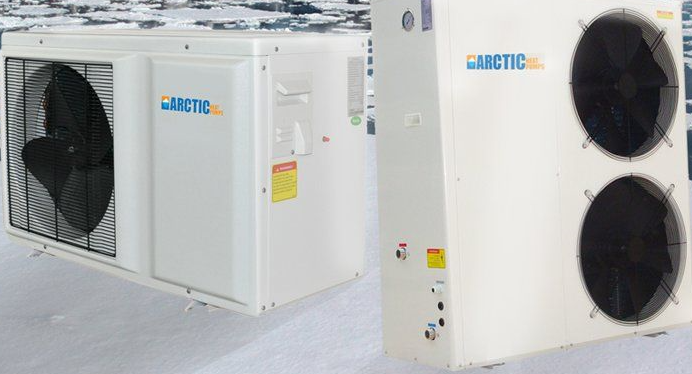

The use of a conventional heater can be quite costly when trying to maintain heat in your swimming pool during cold periods. As energy prices rise, people are looking for cost-effective ways to maintain their pools. The Arctic pool heat pump is one of the most effective options being considered today because of its effectiveness in low temperatures.
Understanding this heating pump and its link to solar pool systems will help you manage pool heating costs better in the future.
What Is an Arctic Pool Heat Pump?
Heat pumps for an arctic pool use air as their source of heat, then transfer it to the pool water regardless of the temperature outside. While conventional pool heaters create heat by burning fuel or resistance, heat pumps transfer already existing heat.
Arctic models are especially designed for cold weather. They feature high-end parts and an inverter system. This system works well in low temperatures, so pool owners can enjoy warm water all year long.
How Heat Pumps Save Energy
It is precisely this ability to transfer heat without generating it that makes the heat pump system energy efficient. It is more energy-efficient than a system that consumes energy through burning fuel or using high resistance.
These are some of its advantages:
- Less electricity is used than that of conventional electrical heaters.
- Reduction in the use of gas or fuel for heating
- Continuous operation without constant start-stop processes
Due to these reasons, pool owners experience lower energy consumption once they switch to a heat pump setup.
Reduced Operating Costs Over Time
While heat pumps might cost more to install than other systems, they save money over time. By using less energy, the amount spent on utilities is minimized, particularly when the pool is being used regularly.
This translates to having more consistent costs in the future. In contrast to volatile fuel prices and expensive electricity, heat pumps ensure stable operating costs.
Performance in Cooler Weather
The main strength of an Arctic pool heat pump is that it operates well in cold weather environments. Arctic heat pumps are designed to work well in cold weather. Unlike regular heat pumps, their efficiency doesn’t drop as temperatures fall.
Arctic heat pumps are ideal for use in:
- Seasonal extension of swimming
- Temperature control in early spring and late fall
- Assisting pool heating under reduced solar radiation
Supporting Solar Pool Heating Systems
Heat pumps alone prove to be efficient, but they are most commonly employed together with solar heating pools. The panels capture sunlight to create warmth during the day. Heat pumps keep the temperature steady when there’s no sunlight.
The benefits associated with the above-mentioned system are as follows:
- Enhanced energy efficiency
- Greater stability in water temperature
- Decreased stress on both systems
Firms like Northern Lights Lighting Solutions utilize websites like SolarTubs to offer pool heating solutions that make use of solar technology along with other forms of technology. The combination of solar technology with heat pumps ensures that optimal results are obtained.
Long-Term Reliability and Maintenance
Although heat pumps are built to last, like all mechanical equipment, they must be serviced regularly to guarantee optimal functioning and longevity. The basic maintenance tasks include:
- Maintaining the cleanliness of the air passage areas
- Inspecting the connection parts and components
- Conducting regular inspections
Unlike gas furnaces, heat pumps need less maintenance due to minimal wear caused by high temperatures.
Common Misconceptions About Heat Pumps
Here are some misconceptions regarding heat pumps:
- They don’t function in winter: The Arctic models have been manufactured for colder weather conditions.
- They are costly to use: On the contrary, heat pumps are highly energy-efficient compared to other traditional systems.
- They can serve as an alternative to solar heaters: It is advisable to use them as supplements to existing heating systems.
This knowledge can help consumers select suitable heating equipment for their households.
Who Should Consider a Heat Pump?
The Arctic pool heat pump is suitable for pool owners who:
- Are you looking for ways to lower energy expenses over time
- Swim in their pools even during the cold season.
- Desire constant water temperature
- Are you using solar pool heating or are you thinking about doing so
It is particularly valuable in areas with variable but effective heat exchange conditions.
Key Takeaways
The heat pump system for an arctic pool helps keep the pool running well and lowers energy costs. The use of high technology allows such pumps to work successfully even in low-temperature environments.
Combining heat pump technology with solar heating for the pool is a smart choice. It balances efficiency and effective system performance. In order to enjoy a long swim season without worrying about extra energy costs, one should choose this combination.