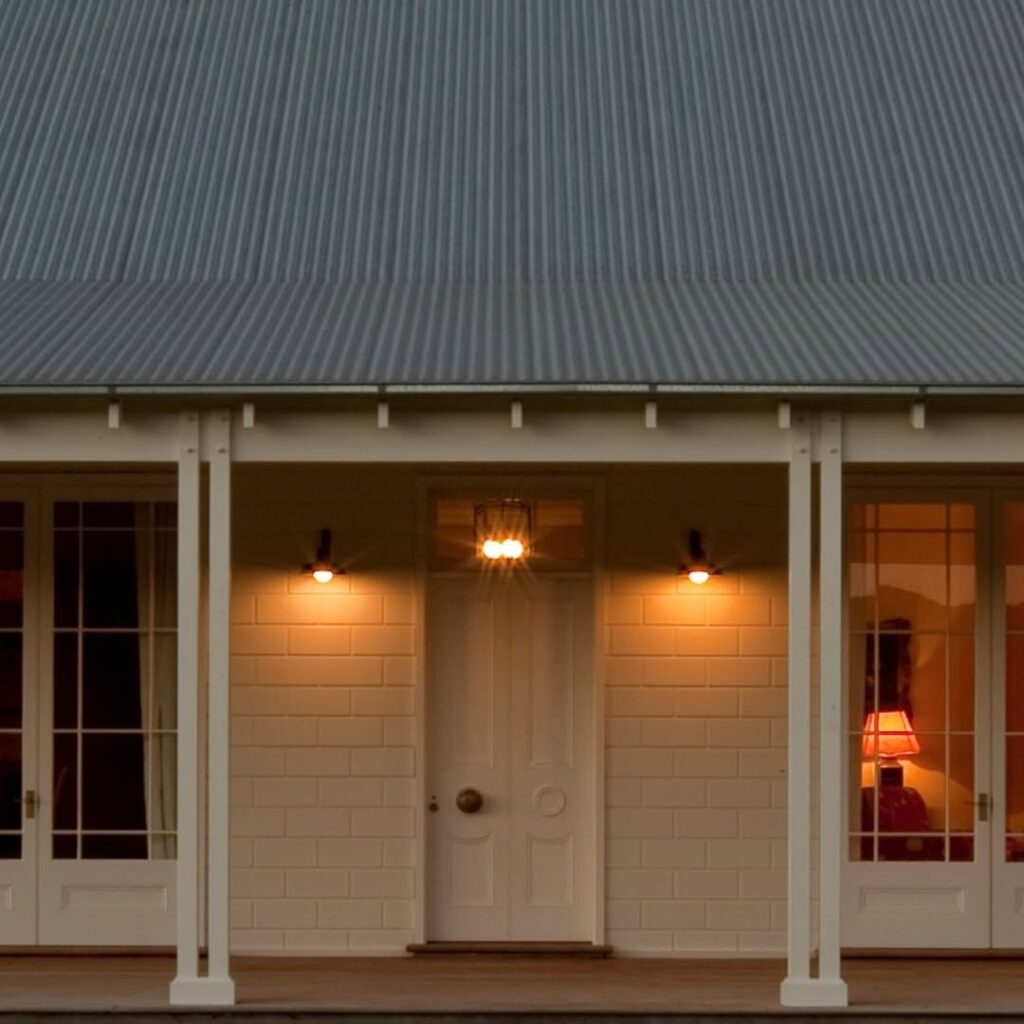

Custom homes are shaped by more than size or materials. They are defined by how they feel to live in each day. Families want homes that feel calm, welcoming, and easy to use from morning to night. The role of an architectural designer is to guide these outcomes through thoughtful planning and clear decision making. In Sydney, where climate, block shape, and lifestyle all influence design, professional guidance plays a strong role in shaping both comfort and appearance.
This content explains how architectural designers improve the look and feel of custom homes, with a focus on everyday living, local conditions, and long term comfort.
Understanding the role of an architectural designer
An architectural designer works closely with homeowners to turn ideas into practical plans. This role involves listening, analysing the site, and shaping spaces that support daily routines. Designers consider how rooms connect, how light enters the home, and how movement feels between areas.
Rather than focusing only on appearance, designers look at how a home will be used over time. This includes thinking about storage, noise separation, privacy, and flexibility. Their input helps prevent common issues such as wasted space or poor room flow.
In Sydney, many families work with architects Sydney to ensure their custom home reflects both lifestyle needs and local conditions.
Shaping the visual character of a custom home
The look of a custom home is shaped by form, proportion, and material choice. Designers guide these decisions so the home feels balanced rather than overwhelming. A well designed façade responds to the street and the surrounding homes without copying them directly.
Material selection affects both appearance and upkeep. Brick, timber, stone, and render all create different visual outcomes and age in different ways. Designers consider how materials respond to Sydney weather and how they will look over time. This helps homes feel settled and consistent rather than dated too quickly.
Window placement also shapes appearance. The size and rhythm of windows influence how the home is viewed from the street and how it feels inside. Thoughtful placement balances light, privacy, and visual interest.
Improving the feel of interior spaces
The feel of a home is often shaped by layout rather than decoration. Designers plan spaces so they feel comfortable and easy to move through. They study how people enter the home, where they gather, and where quiet time is needed.
Living areas are often placed to receive good daylight and connect with outdoor spaces. Bedrooms are positioned to reduce noise and support rest. Kitchens are planned to support daily use and social interaction without creating congestion.
Storage is another key factor. Poor storage can make even large homes feel cluttered. Designers plan storage where it is needed most so spaces remain clear and calm.
Light airflow and comfort
Natural light plays a major role in how a home feels. Designers plan openings so light reaches key areas without causing glare or overheating. Skylights, high windows, and carefully placed glazing help bring light deeper into the home.
Airflow supports comfort throughout the year. Designers consider wind direction and room placement to allow fresh air to move naturally through the home. This reduces reliance on cooling systems and supports a more pleasant indoor environment.
In Sydney conditions, these strategies are essential. Many homeowners rely on architects Sydney to guide climate responsive planning that improves comfort without adding complexity.
Responding to the site and local context
Every site presents different opportunities and limits. Designers study block shape, slope, orientation, and neighbouring buildings. These factors influence where rooms are placed and how the home is shaped.
Respecting local context also supports smoother approval processes. Designs that consider scale, privacy, and sunlight access are often received more positively by councils and neighbours. Clear documentation helps owners understand why certain decisions are made.
Supporting better building outcomes
Good design extends beyond drawings. Designers prepare detailed plans that help builders understand the intent of the project. Clear documentation reduces uncertainty and helps builders price work accurately.
Designers often assist during the selection of a builder by helping owners compare quotes. They can explain differences in scope and allowances so decisions feel informed. During construction, design oversight helps ensure the finished home reflects the approved plans.
These steps support a smoother building process and help protect the original design vision.
Lifestyle focused planning for custom homes
Custom homes are often planned around specific routines. Families may need work areas, quiet rooms, or flexible spaces that change use over time. Designers plan layouts that support these needs without forcing the home to feel rigid.
Outdoor living also plays a strong role. Designers shape connections between indoor and outdoor spaces so gardens and terraces feel like natural extensions of the home. This supports relaxation, family time, and airflow.
Many homeowners choose architects Sydney because they understand how lifestyle planning influences comfort and long term satisfaction.
Search behaviour and informed choices
Many people begin their planning journey online. They search for guidance on cost, process, and design ideas. Clear and simple information helps readers understand what to expect. This supports better decision making and reduces uncertainty.
Local relevance also builds trust. Content that reflects Sydney climate, council rules, and common block conditions helps homeowners feel understood. Reviews and shared project stories further influence confidence and expectations.
Choosing the right designer
Selecting the right designer involves more than reviewing images. Homeowners often look for clear communication, relevant experience, and an organised process. Early conversations about budget, timing, and scope help set realistic expectations.
Working with architects Sydney can give homeowners access to local knowledge and structured guidance. This support helps keep decisions aligned with goals throughout the project.
Frequently asked questions
How does a designer improve comfort without increasing size
By improving layout efficiency, light access, and airflow rather than adding more rooms.
Is appearance more important than function
Both are considered together. A home must look good and work well to feel successful.
What should homeowners prepare before meeting a designer
A list of needs, budget range, timing goals, and notes about current issues in the home.
How does a designer help control costs
Through scope planning, material guidance, and clear drawings that support accurate pricing.
Final thoughts
The look and feel of a custom home are shaped by many decisions made early in the design process. Architectural designers guide these choices with an understanding of lifestyle, site conditions, and long term use. Their work helps homes feel comfortable, balanced, and suited to daily life.
For many families, working with architects Sydney provides clarity and confidence from concept through to construction. With thoughtful planning and clear guidance, custom homes can support comfort and enjoyment for many years.