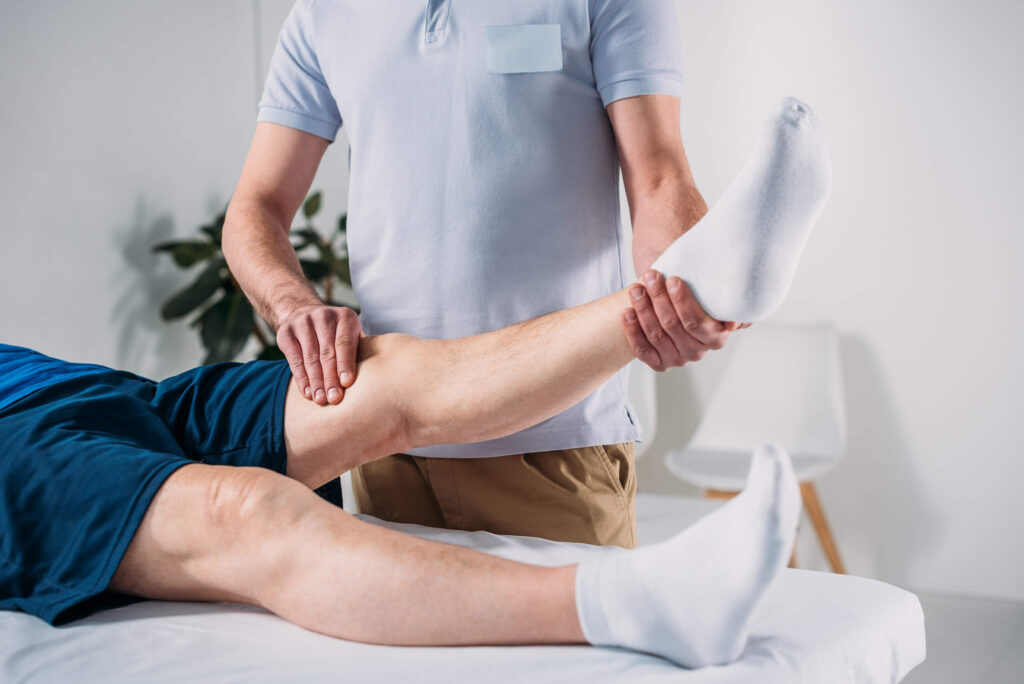

The landscape of physical rehabilitation is changing rapidly. For those seeking physiotherapy treatment in Edinburgh, the focus has shifted from merely “fixing” an injury to proactively building a more resilient body. While traditional methods like rest and basic stretching still have their place, advanced healing techniques now allow patients to recover faster and reach higher levels of physical performance than before their injury.
By integrating technology with movement science, Edinburgh’s leading clinics help residents navigate the city’s demanding terrain—from the heights of Arthur’s Seat to the uneven pavements of the New Town—with newfound power and stability.
The Evolution of Physiotherapy: From Passive to Proactive
Historically, physiotherapy was often seen as a passive process. A patient would receive massage or heat therapy to reduce pain. However, modern physiotherapy treatment in Edinburgh prioritizes “active” physiological adaptation. The goal is to stimulate the body’s natural healing mechanisms while simultaneously increasing the load-bearing capacity of muscles and tendons.
Advanced techniques allow therapists to target specific tissues with precision. This ensures that the healing process is not just about closing a wound or mending a bone, but about ensuring the new tissue is strong enough to handle the stresses of an active lifestyle.
Shockwave Therapy: Accelerating Soft Tissue Repair
One of the most significant advancements in the field is Extracorporeal Shockwave Therapy (ESWT). This non-invasive treatment is particularly effective for chronic tendon issues, such as Achilles tendinopathy or plantar fasciitis.
How it enhances strength:
-
Neovascularization: The acoustic pulses create micro-trauma that triggers the growth of new blood vessels. Better blood flow means more nutrients reach the area, speeding up the repair of dense, stubborn tissues.
-
Collagen Production: Shockwave therapy stimulates the production of collagen, the building block of tendons and ligaments. This results in a “tougher” structure that can withstand more force during running or jumping.
-
Pain Modulation: By desensitizing overactive pain fibers, shockwave therapy allows patients to begin strengthening exercises much earlier in their recovery journey.
Blood Flow Restriction (BFR) Training: Strength Without Strain
For patients recovering from surgery or severe injury, lifting heavy weights is often impossible. This usually leads to muscle wasting (atrophy). Advanced physiotherapy treatment in Edinburgh now utilizes Blood Flow Restriction training to combat this.
BFR involves using a specialized cuff to partially restrict blood flow to a limb during low-intensity exercise.
How it enhances strength:
-
Metabolic Stress: By trapping blood in the muscle, BFR creates a high-stress environment that tricks the brain into thinking the body is lifting heavy loads.
-
Hypertrophy: This triggers the release of growth hormones and stimulates muscle growth (hypertrophy) using only 20% of the usual weight.
-
Joint Preservation: BFR allows patients to build significant muscle mass without placing dangerous levels of stress on a healing joint or surgical graft.
Functional Biomechanical Analysis
Strength is useless if it is not applied correctly. Many injuries occur because of “energy leaks”—areas where the body is moving inefficiently. Specialized Edinburgh clinics use digital gait analysis and force plate technology to map out these weaknesses.
A physiotherapist can see if a weak hip is causing a knee to collapse inward or if a stiff ankle is forcing the lower back to overwork. By identifying these biomechanical flaws, physiotherapy treatment in Edinburgh can include specific “corrective” strength exercises. This ensures that your power is directed exactly where it needs to go, making you a more efficient walker, runner, or athlete.
Targeted Neuromuscular Stimulation
Sometimes, a muscle isn’t weak; it’s simply “switched off” by the brain as a protective response to pain. Advanced healing involves using Neuromuscular Electrical Stimulation (NMES) to re-educate the nervous system.
By sending electrical impulses directly to the motor nerves, therapists can force a muscle to contract. This “wakes up” the tissue and reminds the brain how to use it. This is a critical step in restoring functional strength after a period of immobilization or a neurological injury.
The Role of “Progressive Loading”
Advanced healing techniques are the “spark,” but progressive loading is the “fuel.” A high-quality physiotherapy treatment in Edinburgh follows a strict hierarchy of strength:
-
Tissue Healing: Using techniques like shockwave or manual therapy to reduce inflammation.
-
Activation: Using BFR or NMES to stop muscle wasting.
-
Capacity Building: Slowly increasing the weight and complexity of movements.
-
Power and Plyometrics: Teaching the body to handle explosive forces, which is essential for preventing future injuries.
Why Edinburgh Residents Benefit
Edinburgh’s unique environment demands a “strong” recovery. The city’s steep hills and wind-swept streets require significant lower-body power and balance. By utilizing advanced healing techniques, patients can move beyond “baseline” health. They develop the specialized strength needed to climb the Scott Monument or navigate the slippery stones of the Royal Mile with total confidence.
Furthermore, these techniques reduce the “downtime” associated with traditional rehab. For busy professionals or local athletes, getting back to peak performance faster is an invaluable benefit of modern physiotherapy.
Final Thought
Strength is the ultimate insurance policy for your body. Advanced healing techniques within physiotherapy treatment in Edinburgh provide the tools to build that insurance. By combining cutting-edge technology with expert clinical guidance, you can transform an injury into an opportunity to become stronger than ever before. Don’t settle for just “getting better”—invest in advanced healing to enhance your power, your stability, and your long-term wellness in this vibrant city.