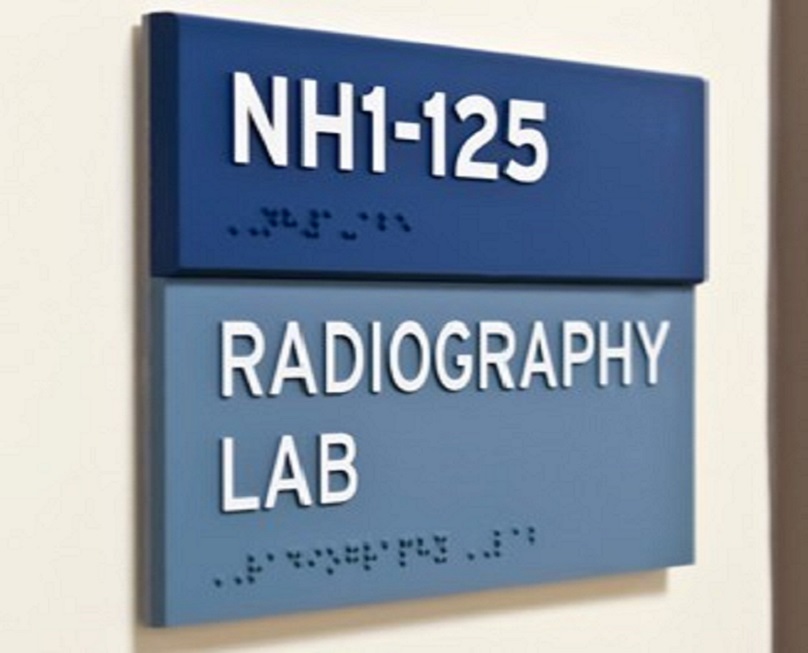

In today’s business environment, ensuring that your establishment is accessible to everyone is not just a moral obligation but also a legal necessity. One critical aspect of accessibility is the implementation of ADA-compliant signage. ADA signs, or signs that comply with the Americans with Disabilities Act (ADA), are essential tools that help businesses in Dayton create an inclusive environment while staying compliant with federal regulations.
Understanding ADA Signage
ADA signs are specifically designed to assist individuals with disabilities in navigating a building or facility. They include elements such as raised characters, braille, high-contrast lettering, and tactile surfaces, ensuring that people with visual impairments or mobility challenges can easily find entrances, exits, restrooms, and other important areas.
The primary goal of ADA signage is to promote independence and safety for all patrons. A lack of proper ADA signs can lead to confusion, accidents, and most importantly, legal complications. Businesses in Dayton and nearby areas such as Kettering, Huber Heights, and Beavercreek can benefit greatly by investing in professional ADA signage solutions.
Why ADA Signs Are Critical for Compliance
The Americans with Disabilities Act, established in 1990, sets standards for public accessibility across the United States. Businesses that fail to adhere to these guidelines can face fines, lawsuits, or reputational damage. Key compliance factors include:
-
Proper Placement: ADA signs must be positioned at accessible heights, often between 48 to 60 inches from the floor to the center of the sign.
-
Readable Fonts: Signs must use sans-serif fonts with high contrast to enhance readability.
-
Braille Integration: Tactile signs with braille are mandatory for rooms like restrooms, offices, and conference rooms.
-
Durability: ADA signs should be made of long-lasting materials to withstand frequent use and maintain legibility.
By meeting these standards, businesses protect themselves from potential legal issues and create an environment that welcomes all customers, including those with disabilities.
The Business Advantage of ADA Signs in Dayton
Beyond legal compliance, ADA signs offer tangible business benefits:
-
Enhancing Customer Experience: Clear and accessible signage helps all visitors navigate your facility effortlessly, improving overall satisfaction.
-
Professional Appearance: Well-designed ADA signs communicate professionalism and attention to detail, enhancing your brand image.
-
Risk Mitigation: Proper signage reduces the likelihood of accidents and the liability associated with accessibility-related claims.
-
Inclusivity and Reputation: Demonstrating a commitment to inclusivity can boost community trust and loyalty, which is especially valuable in B2B environments.
In Dayton, businesses ranging from retail stores to corporate offices are increasingly recognizing the value of ADA signs, not just as compliance tools, but as strategic investments in their operations and brand reputation.
Choosing the Right Sign Company in Dayton
Selecting a reliable sign company in Dayton is essential for ensuring your ADA signs meet all regulatory standards. A professional sign company offers:
-
Expert Consultation: Understanding your facility’s layout and accessibility requirements.
-
Custom Designs: Tailoring signs to fit your branding while maintaining ADA compliance.
-
High-Quality Materials: Offering durable, high-contrast, and tactile signage that lasts.
-
Installation Services: Proper placement ensures compliance with federal guidelines.
Businesses in nearby areas such as Centerville, Riverside, and Fairborn can also benefit from local sign companies that understand the regional code requirements and design trends.
The Role of ADA Signs in Risk Management
ADA signs are more than a legal necessity—they are a risk management tool. Failure to comply with ADA regulations can result in costly lawsuits or fines, sometimes ranging from hundreds to thousands of dollars per violation. Moreover, non-compliance can lead to negative publicity and erode trust with customers and business partners.
By proactively installing ADA-compliant signs, businesses safeguard themselves while providing a safer and more welcoming environment. Companies like SpeedPro Dayton specialize in creating signage solutions that balance regulatory compliance with aesthetic appeal, helping Dayton businesses reduce liability and promote inclusivity.
ADA Signs for B2B Businesses in Dayton
For B2B companies, accessibility may not seem like a customer-facing priority, but it’s equally important. Commercial spaces such as office buildings, warehouses, and manufacturing facilities must comply with ADA guidelines to ensure employee safety and legal adherence.
ADA signage in B2B settings includes:
-
Directional Signs: Guiding employees and visitors to offices, conference rooms, or safety exits.
-
Safety Signs: Highlighting emergency exits, fire extinguishers, and first-aid stations.
-
Restroom and Facility Signs: Indicating accessible facilities and meeting accessibility requirements.
Investing in ADA signage reflects a company’s commitment to corporate responsibility and can improve employee morale by making the workspace accessible to all.
Technological Advancements in ADA Signage
Modern ADA signs integrate innovative technologies to improve functionality and accessibility. Some advanced features include:
-
LED-Enhanced Signs: Illuminate critical areas for better visibility, especially in low-light conditions.
-
Digital Directories: Combine ADA compliance with dynamic information displays for large facilities.
-
Custom Materials: Options like acrylic, aluminum, and eco-friendly composites offer durability while maintaining high contrast and tactile standards.
Companies like SpeedPro Dayton leverage these advancements to deliver customized solutions that align with a business’s brand identity while adhering to strict ADA guidelines.
Implementation Best Practices
To maximize the effectiveness of ADA signs, businesses should follow several best practices:
-
Conduct an Accessibility Audit: Identify all areas where ADA signage is needed.
-
Plan for Consistency: Ensure uniform fonts, colors, and materials across all signs for a cohesive look.
-
Prioritize High-Traffic Areas: Focus on entrances, exits, restrooms, and emergency routes.
-
Maintain and Update Signs: Replace worn-out or damaged signage promptly to maintain compliance.
-
Employee Training: Educate staff about ADA guidelines to ensure ongoing compliance and awareness.
By combining strategic planning with professional installation, businesses in Dayton can ensure their facilities are accessible, safe, and legally compliant.
Conclusion
ADA signs in Dayton are not just a regulatory requirement—they are an essential part of creating an inclusive, professional, and legally compliant business environment. Whether you operate a retail store, office, or B2B facility, investing in ADA-compliant signage demonstrates a commitment to accessibility, enhances customer experience, and protects your business from legal risks.
Working with a trusted sign company in Dayton, such as SpeedPro Dayton, ensures that your signs meet ADA standards while reflecting your brand’s professionalism and values. From initial design to final installation, professional ADA signs help businesses stay compliant, avoid legal issues, and foster an environment where everyone feels welcome.
FAQs About ADA Signs in Dayton
1. What are ADA signs, and why are they required?
ADA signs are signs designed according to the Americans with Disabilities Act standards. They are required to ensure accessibility for individuals with disabilities, providing tactile, visual, and braille information to guide navigation and safety within buildings.
2. Where should ADA signs be placed in a business?
ADA signs should be installed at entrances, exits, restrooms, conference rooms, emergency exits, and other key areas. They must be mounted at heights between 48–60 inches from the floor and placed where they are easily visible and accessible.
3. Can businesses in Dayton design their own ADA signs?
While businesses can design their own signs, professional sign companies ensure compliance with federal regulations. Custom designs also allow businesses to maintain branding while meeting accessibility standards.
4. How do ADA signs benefit B2B businesses?
ADA signs help B2B companies create accessible work environments, reduce liability risks, comply with federal regulations, and enhance professionalism, which can positively impact client impressions and employee satisfaction.
5. How do I choose the right sign company in Dayton?
Look for a sign company with experience in ADA-compliant signage, such as SpeedPro Dayton. They should offer consultation, custom design, quality materials, and professional installation to ensure your business meets all regulatory requirements.