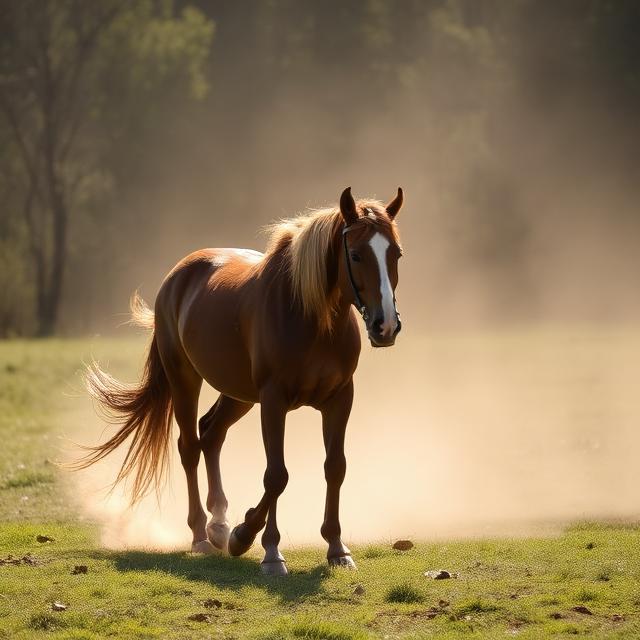

Horses are among the most iconic animals in human history. Their strength, speed, elegance, and emotional intelligence have made them invaluable partners for thousands of years. Whether carrying warriors into battle, helping farmers in fields, or participating in modern sports, horses have shaped cultures, economies, and human progress like no other animal. Today, they continue to inspire admiration with their grace, loyalty, and incredible abilities.
A Deep Historical Bond
The domestication of horses began around 4,000–5,000 years ago in Central Asia. Early humans quickly discovered that horses offered advantages in travel, transportation, trade, and warfare. Horses made long-distance journeys possible, connected nations, and transformed agriculture.
Historical Roles of Horses
-
Warfare: Carried warriors, pulled chariots, and changed military strategies.
-
Transportation: Before cars and trains, horses were the fastest way to travel.
-
Agriculture: Helped plow fields, transport crops, and manage livestock.
-
Exploration: Supported explorers in discovering new lands.
-
Culture & Religion: Symbolized freedom, power, royalty, and spirituality.
Even in the modern world, horses continue to hold a special cultural and emotional significance.
Physical Characteristics of Horses
Horses are built for strength and speed. Their body design allows them to run fast, jump high, and endure long distances.
Body Structure
-
Height: 14–18 hands (ponies: under 14 hands)
-
Weight: 400–1,000+ kg depending on breed
-
Eyes: Positioned for 350° vision—almost panoramic
-
Legs: Designed for shock absorption and high-speed movement
-
Hooves: Acts as shock absorbers and require regular care
-
Heart: Extremely strong; capable of pumping blood efficiently during strenuous work
Their coat varies in color and texture based on breed and environment.
Common Coat Colors
-
Bay
-
Black
-
Chestnut
-
Grey
-
Palomino
-
Pinto
-
Roan
-
Dun
Each color tells a story of genetics and breed lineage.
Temperament and Personality
Horses are intelligent, emotional, and social animals. They communicate through body language, sounds, and subtle behavioral cues.
Typical Traits
-
Sensitive and aware
-
Calm when handled gently
-
Highly trainable
-
Bond deeply with humans
-
Alert with strong survival instincts
Horses are herd animals, meaning they crave companionship and feel safer in groups.
Popular Horse Breeds
There are more than 300 horse breeds worldwide. Each breed has unique characteristics, strengths, and uses.
Famous Breeds
-
Thoroughbred – Fast and athletic, dominant in racing
-
Arabian – Elegant, intelligent, exceptional endurance
-
Quarter Horse – Popular in Western riding and ranch work
-
Friesian – Known for beauty, flowing mane, and high-stepping gait
-
Clydesdale – Large, strong, used for heavy work
-
Mustang – Symbol of freedom; wild and resilient
-
Andalusian – Graceful, powerful, used in classical riding
Uses of Horses in Modern Times
Though no longer essential for transportation, horses remain an important part of human life.
Modern Roles
-
Recreational riding
-
Competitive sports (jumping, dressage, racing)
-
Therapy programs
-
Police patrols
-
Cultural parades and ceremonies
-
Ranch and farm work
The emotional benefits of horse companionship are widely recognized in therapy and mental wellness programs.
Horse Care and Management
Caring for a horse requires commitment, knowledge, and daily attention.
Basic Care Needs
-
Shelter: Stable or open field with shade
-
Nutrition: Hay, grass, grains, minerals
-
Water: 25–45 liters daily
-
Exercise: Regular movement for physical and mental wellness
-
Grooming: Brushing coat, cleaning hooves, maintaining mane and tail
Stable Management
-
Clean bedding
-
Proper ventilation
-
Safe fencing
-
Clean feeding and watering equipment
Health and Common Medical Issues
Horses are generally hardy animals but may face certain health problems.
Common Conditions
-
Colic – Digestive emergency
-
Laminitis – Painful hoof condition
-
Respiratory infections
-
Dental issues
-
Joint pain / arthritis
-
Worms and parasites
Regular veterinary checkups are essential.
Diet and Nutrition
A horse’s diet must support its size and activity level.
Main Components
-
Fresh grass
-
High-quality hay
-
Grains (oats, barley, corn)
-
Minerals and salt blocks
-
Supplements when needed
Sudden diet changes should be avoided as horses have sensitive digestive systems.
Behavior and Communication
Horses communicate mainly through:
-
Ear position
-
Tail movement
-
Body posture
-
Soft sounds (neighing, nickering)
Understanding their communication helps build trust and ensures safe handling.
Why Horses Are Special
Horses are more than majestic creatures—they are emotional partners capable of forming deep connections with humans. Their grace, strength, and loyalty make every interaction meaningful. Whether running across fields, competing in sports, or simply standing calmly beside their caretaker, horses remind us of nature’s beauty and companionship.
Conclusion
From ancient civilizations to modern recreational riding, horses have played an extraordinary role in shaping human history. Their intelligence, power, and gentle spirit make them cherished companions. With proper care, understanding, and respect, horses can bring joy, learning, and unforgettable experiences to people of all ages.