
Introduction
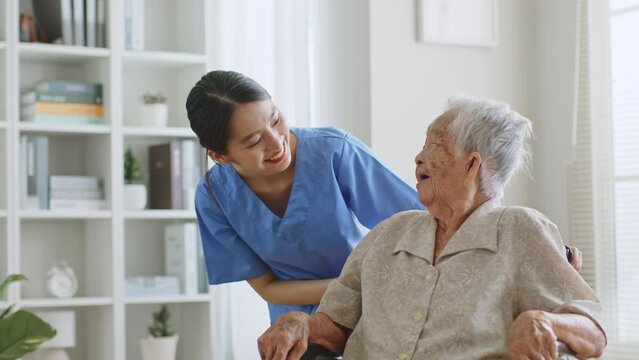
In India, the concept of healthcare is rapidly evolving. For generations, the family unit was the primary caregiver, especially for the elderly or those recovering from illness. While the love and support of family remain priceless, the complexities of modern life, busy schedules, and specialized medical needs mean that professional support is often required. This is where professional Home Nursing Services step in, becoming a game-changer for countless families. These services bring hospital-grade care directly to your doorstep, ensuring your loved one receives expert attention without leaving the familiar environment of their home. It is a compassionate, convenient, and often more effective way to manage recovery, long-term conditions, and geriatric care right where comfort matters most.
Why Home Nursing Services are the Need of the Hour in India
The demand for at-home professional care has surged across India, driven by a few key factors. Today’s healthcare systems are often overwhelmed, and prolonged hospital stays can be costly and emotionally draining. Home care provides a viable, high-quality alternative that addresses both medical and emotional well-being.
The Comfort of Familiar Surroundings
A hospital environment, despite its medical necessity, can be stressful and isolating. Recovery is often faster and more holistic when the patient is surrounded by their own belongings, their family, and the peace of their own home. Being in a familiar setting helps reduce anxiety and confusion, especially for senior patients or those dealing with memory-affecting conditions. Home care fosters a sense of dignity and normalcy that institutional settings simply cannot match.
Personalized and Focused Care
In a clinical facility, nurses must attend to multiple patients. Home Nursing Services offer an invaluable advantage: one-on-one, dedicated attention. The care plan is entirely customized to the patient’s specific health condition, daily routine, and personal preferences. This personalized approach ensures every medical and non-medical need is addressed promptly, leading to better adherence to treatment and overall improved health outcomes.
Reduced Risk of Infections and Hospital Readmissions
Hospitals carry the inherent risk of secondary or ‘nosocomial’ infections. For patients with weakened immune systems, such as post-operative cases or those with chronic diseases, staying at home significantly reduces this exposure. Additionally, continuous monitoring and professional assistance help manage complications early, greatly reducing the chances of needing to be re-admitted to a hospital.
Different Types of Home Nursing Services Available
The scope of Home Nursing Services is broad, covering everything from basic support to intensive medical management. Depending on the patient’s condition, a family can choose from various specialized services.
Specialized Clinical Care
This category involves procedures that require a certified and skilled nurse (sometimes referred to as a GNM or B.Sc. nurse) who can perform technical medical tasks. These services include:
-
Wound Care and Dressing: Expert handling of complex surgical or chronic wounds to prevent infection and promote healing.
-
Injections and IV Fluid Management: Administering intravenous therapies, injections, and monitoring vital signs regularly.
-
Catheter and Ryles Tube Management: Professional care for medical devices like urinary catheters and feeding tubes to maintain hygiene and function.
-
Tracheostomy and Respiratory Care: Specialized assistance for patients requiring airway management or respiratory support.
General Elder and Attendant Support
For elderly individuals or those requiring non-medical assistance, general duty assistants (GDAs) or patient attendants provide essential support for daily living activities (ADLs). This includes help with bathing, dressing, grooming, feeding, mobility assistance, and maintaining general hygiene. They also offer valuable companionship, which is vital for the emotional health of seniors living alone.
Post-Surgical and Rehabilitation Care
After an operation or a serious medical event like a stroke, patients often need structured support. Post-surgical care at home focuses on pain management, timely medication, and monitoring for recovery milestones. Rehabilitation services like in-home physiotherapy, occupational therapy, and speech therapy can also be included, making the transition from hospital to home seamless and effective. In cities like Nagpur, the increasing availability of qualified services means families no longer have to worry about missing crucial rehabilitation sessions.
Finding Quality Home Nursing Services in Nagpur and Other Cities
When seeking reliable Home Nursing Services in Nagpur or any other major city in India, the focus should always be on quality assurance and transparency. Making an informed choice involves looking into key aspects of the service provider.
Checking Credentials and Background
It is paramount to ensure that the nursing professional assigned to your home is fully certified, licensed, and experienced for the required level of care. Reputable providers conduct thorough background checks and security verification of their staff. Families should always ask about the nurse’s specific experience in handling the patient’s particular condition, be it post-stroke recovery or long-term chronic disease management.
Customization and Supervision
A good service will always begin with a detailed clinical assessment to create a personalized care plan. Furthermore, the care should be supervised by a senior health expert or a care manager who regularly checks on the patient’s progress and the quality of the service being delivered. This oversight ensures that the care provided is always up to standard and can be quickly adjusted if the patient’s needs change.
Understanding the Cost of Home Nursing Care
Many families hesitate, assuming that professional Home Nursing Services will be too expensive. In reality, compared to the cumulative cost of a long-term stay in a high-quality hospital—including room rent, procedure charges, and ancillary fees—home care is a significantly more cost-effective solution for extended care needs.
The charges typically depend on a few factors:
-
Level of Medical Skill: Basic attendant support costs less than a qualified nurse (GNM/ANM), and ICU-level care with specialized equipment is at the higher end.
-
Duration: Short visits for a few hours (e.g., for an injection or dressing change) are priced differently than 12-hour or 24/7 care packages. Longer-term, 24-hour monthly packages often offer better value.
-
Location: Costs can vary between Tier-1 metro cities and Tier-2 or Tier-3 locations, reflecting the local cost of living and professional availability.
By assessing the patient’s needs accurately and choosing a service level that matches the actual requirement, families can effectively budget for high-quality care without financial strain.
Frequently Asked Questions (FAQs)
Q1. Who can benefit the most from Home Nursing Services?
Individuals who are recovering from surgery, patients with chronic diseases (like diabetes or heart conditions), the elderly needing daily assistance, and those requiring palliative or end-of-life care can all benefit immensely from professional nursing services at home.
Q2. Is 24/7 Home Nursing Care available in Indian cities?
Yes, 24/7 care is widely available in most major Indian cities. This care typically involves a rotating team of professionals to ensure constant support and supervision, especially for bedridden or critical patients.
Q3. What is the difference between a home nurse and a general attendant?
A home nurse is a qualified medical professional (like a GNM or B.Sc. Nurse) trained to perform clinical tasks such as administering medications, changing dressings, and monitoring vitals. A general attendant or caregiver assists with non-medical tasks like bathing, feeding, mobility, and personal hygiene.
Q4. Can a Home Nursing service assist with physical rehabilitation?
Absolutely. Many modern Home Nursing Services include or coordinate visits from physiotherapists, occupational therapists, and speech therapists to provide necessary rehabilitation exercises and procedures right at home.
Q5. Are the services customized, or are they fixed packages?
The services are highly customizable. A detailed assessment of the patient’s clinical and non-clinical needs is conducted first, and a care plan is then created, which can be modified as the patient’s health improves or changes.
Q6. Is getting care at home safe and secure?
Reputable service providers prioritize safety by conducting rigorous background checks, verifying credentials, and ensuring their professionals follow strict safety and hygiene protocols, making it a reliable choice for families.
Conclusion
Choosing Home Nursing Services is more than just a matter of convenience; it’s a decision to prioritize comfort, personalized attention, and emotional well-being alongside clinical care. By bringing dedicated, professional support right into the familiar environment of a home, families can experience peace of mind, knowing their loved one is receiving the best possible attention, leading to a happier, healthier recovery journey.