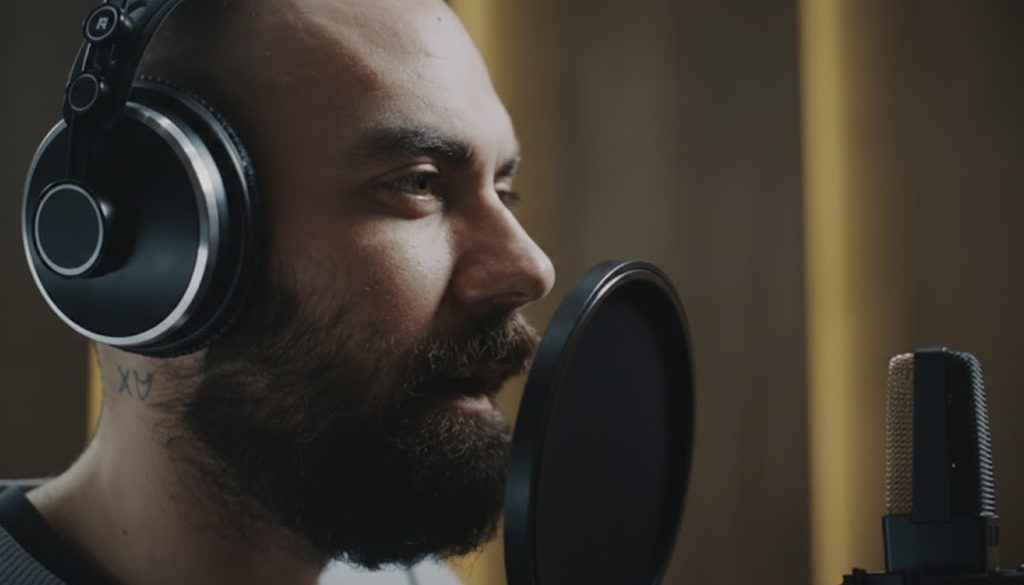

You know that perfect moment in an animated film when a character’s voice stops you in your tracks. It’s not accidental. It’s the result of thoughtful casting and collaboration. If you want to hire voice actors for animation who elevate your story, you need more than just a good voice. In this article, you’ll learn what directors look for in voice talent, how they work with them, and what makes a performance truly memorable.
What Must You Look For First
When you set out to hire voice actors for animation, start with adaptability. Animation is not static. One moment a character whispers, and the next they’re shouting. A skilled actor should slide between emotions, accents, and energy levels without losing the character’s core identity. That adaptability helps you shape tone, tune delivery, and ensure each line feels lived-in rather than read.
Voice actors who can improvise bring huge value, especially when scripts change late in production. Their ability to respond on the fly often leads to moments that feel organic and fresh. You’ve likely seen it in scenes where a minor ad-lib becomes a defining character beat. That’s not luck. It’s the work of talent who are present, engaged, and confident.
Why Consistency Matters More Than You Think
Consistency is about reliability. When you cast a voice actor, you want them to deliver the same emotional quality across multiple sessions, days, or even months. In animation projects, especially long-form series, the voice needs to feel like the same performer every time. That continuity keeps your audience immersed and prevents jarring swings in character tone.
According to industry projections, the dubbing and voice-over market was valued at around $3.45 billion in 2025 and is expected to grow in 2026, reflecting increasing demand for professional voice work across media formats. This includes animation, games, and branded content.
How Directors Shape Character Identity With Voice Talent
Your job as a director is not just to pick good voices, but to build trust with actors. Start by giving a clear brief. Share the character backstory, motivations, and emotions you want to highlight. When talent understands the why behind a scene, their performance instantly deepens.
Then, listen actively in sessions. A great director doesn’t just tell actors what to do. They ask questions: What if we try this line softer? What happens if we speed this up? These open-ended prompts invite actors to explore and often reveal surprising nuances.
Rehearsals should feel like a workshop, not a rigid script reading. This approach also allows you to assess how well an actor takes direction, which is crucial when fine-tuning a performance. Collaboration in voice acting is a dance between vision and expression. The better you communicate, the better the performance.
Voice Actors With Range Expand Your Creative Options
Think of range as a toolkit. A voice actor who can deliver warm narration, punchy comedic beats, and intense dramatic moments becomes your creative ally. They free you from limits. When you hire character voice actor talent with range, you unlock choices in tone and pacing that might not have been in the original script.
This flexibility is especially important in animation, where characters evolve as audiences connect with them. You want talent who can grow with the role, not just fill a slot. Directors prize this because it reduces re-recording time, enhances performance quality, and strengthens the final cut.
Final Thoughts: Cast With Intention and Heart
Directing voice actors for animation is a layered craft. You balance adaptability, consistency, interpretation, and collaboration to create characters that speak to the audience. When you focus on communication, trust, and range, you build not just voices, but unforgettable performances that resonate long after the credits roll.
If your goal is to elevate your animation with voices that feel alive, use these insights as your guide. Whether you’re leading a big studio project or a passionate indie short, the right voice talent makes every scene stronger.