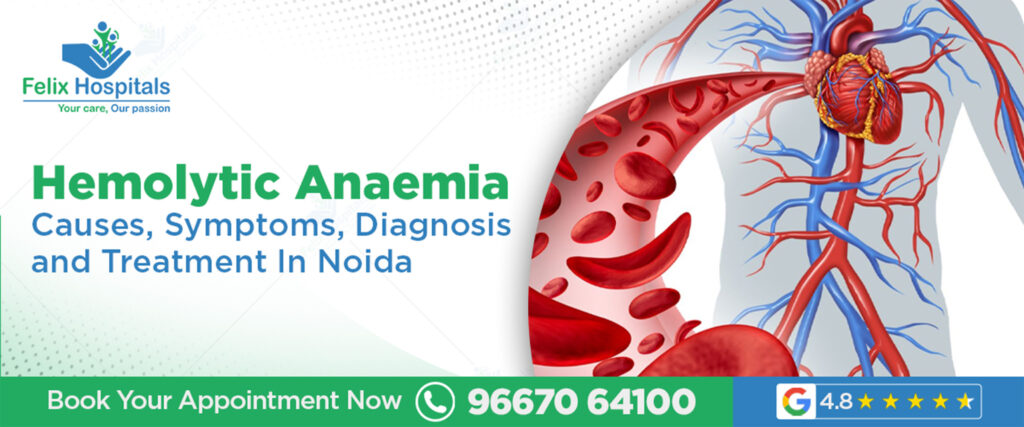

Hemolytic anaemia is a blood disorder in which red blood cells are destroyed faster than the body can replace them. This condition can affect individuals of all ages and may range from mild to life-threatening depending on the cause and severity. In Noida, growing awareness and access to advanced diagnostic facilities have made early detection and timely treatment increasingly achievable. Understanding hemolytic anaemia is essential for recognizing warning signs and seeking prompt medical care.
Experiencing symptoms of anaemia? Get expert hemolytic anaemia treatment in Noida. Call +91 9667064100 to book your consultation.
Understanding Hemolytic Anaemia
To explain what is hemolytic anaemia, it is important to understand the role of red blood cells. These cells carry oxygen throughout the body and normally live for about 120 days. In hemolytic anaemia, red blood cells are destroyed prematurely, leading to reduced oxygen supply to tissues and organs. The bone marrow may try to compensate by producing more red blood cells, but this response is often insufficient.
This imbalance results in anaemia, causing fatigue and other systemic symptoms.
How Hemolytic Anaemia Develops
Hemolysis can occur within blood vessels or in organs such as the spleen. Depending on where and why red blood cells are destroyed, hemolytic anaemia presents differently in patients. Identifying the mechanism helps doctors determine appropriate treatment strategies.
Understanding the underlying process also assists in predicting complications and disease progression.
Types of Hemolytic Anaemia
There are several types of hemolytic anaemia, broadly categorized based on whether the condition is inherited or acquired.
Inherited forms include:
-
Sickle cell anaemia
-
Thalassemia
-
Hereditary spherocytosis
-
Acquired forms may develop due to:
-
Autoimmune disorders
-
Certain infections
-
Reactions to medications
-
Mechanical destruction of red blood cells
Each type requires a different approach to diagnosis and management.
Hemolytic Anaemia in Adults
Hemolytic anaemia in adults is often associated with autoimmune conditions, chronic diseases, or exposure to specific medications. Adults may experience a gradual onset of symptoms, which can be mistaken for general fatigue or weakness.
Early recognition is important to prevent complications such as organ damage, severe anaemia, or recurrent infections.
Hemolytic Anaemia in Children
Hemolytic anaemia in children is more commonly linked to inherited blood disorders. Children may present with delayed growth, frequent infections, or persistent pallor. Early diagnosis in pediatric patients allows timely intervention and long-term disease management.
Pediatric care often involves multidisciplinary teams for optimal outcomes.
Causes of Hemolytic Anaemia
To understand what causes hemolytic anaemia, it is important to identify factors that damage red blood cells.
Common causes include:
-
Autoimmune reactions where the body attacks its own red blood cells
-
Genetic abnormalities affecting red blood cell structure
-
Certain viral or bacterial infections
-
Adverse drug reactions
-
Mechanical damage from artificial heart valves
Identifying the cause is essential for effective treatment planning.
Risk Factors Associated with Hemolytic Anaemia
Several hemolytic anaemia risk factors increase the likelihood of developing the condition:
-
Family history of blood disorders
-
Autoimmune diseases
-
Chronic infections
-
Long-term medication use
-
Previous blood transfusions
Individuals with these risk factors should undergo regular medical monitoring.
Signs and Symptoms of Hemolytic Anaemia
Symptoms vary depending on the severity and speed of red blood cell destruction. Early symptoms may be subtle and worsen over time.
Common symptoms include:
-
Persistent fatigue and weakness
-
Pale or yellowish skin
-
Shortness of breath
-
Rapid heartbeat
-
Dark-colored urine
Ignoring these symptoms can delay diagnosis and worsen outcomes.
Complications of Untreated Hemolytic Anaemia
If left untreated, hemolytic anaemia can lead to serious health issues such as:
-
Severe anaemia
-
Heart strain or failure
-
Gallstones due to excess bilirubin
-
Enlarged spleen
-
Increased infection risk
Prompt treatment significantly reduces these complications.
How Hemolytic Anaemia Is Diagnosed
Answering how is hemolytic anaemia diagnosed involves a combination of clinical evaluation and laboratory tests.
-
Doctors assess symptoms, medical history, and perform targeted investigations.
-
Diagnostic tests may include:
-
Complete blood count
-
Reticulocyte count
-
Peripheral blood smear
-
Bilirubin and lactate dehydrogenase levels
-
Coombs test for autoimmune causes
Accurate diagnosis guides the selection of appropriate treatment options.
Importance of Early Diagnosis
Early diagnosis allows doctors to control red blood cell destruction before severe anaemia develops. It also helps prevent irreversible organ damage and improves overall quality of life.
Patients experiencing persistent fatigue or unexplained anaemia should not delay medical evaluation.
Hemolytic Anaemia Treatment Options
There are several hemolytic anemia treatment options, depending on the cause and severity of the condition.
Treatment approaches may include:
-
Medications to suppress immune response
-
Corticosteroids for autoimmune cases
-
Blood transfusions in severe anaemia
-
Folic acid supplementation
-
Treatment of underlying infections
Each treatment plan is individualized for optimal effectiveness.
Advanced Treatment Approaches
In some cases, advanced therapies may be required:
-
Immunosuppressive drugs
-
Splenectomy (removal of the spleen)
-
Bone marrow transplantation for severe inherited conditions
-
Availability of specialized care improves outcomes for complex cases.
When to See a Doctor
Knowing when to see a doctor for hemolytic anemia is crucial. Medical attention is advised if symptoms such as fatigue, jaundice, or breathlessness persist or worsen.
Early consultation allows prompt diagnosis and reduces the risk of complications.
Living With Hemolytic Anaemia
Long-term management focuses on controlling symptoms and preventing flare-ups. Patients are advised to:
-
Attend regular follow-up appointments
-
Avoid known triggers
-
Maintain a nutritious diet
-
Adhere strictly to prescribed medications
Education and awareness play a vital role in disease management.
Hemolytic Anaemia Care in Noida
Patients seeking hemolytic anaemia treatment in Noida benefit from access to modern diagnostic labs, blood banks, and experienced specialists. A dedicated hemolytic anaemia treatment hospital in Noida provides comprehensive care, from diagnosis to long-term management.
Multidisciplinary teams ensure personalized treatment plans for both adults and children.
Importance of Specialized Treatment Centers
Specialized hospitals offer:
-
Advanced diagnostic facilities
-
Trained hematologists and oncologists
-
Emergency transfusion services
-
Continuous monitoring and follow-up care
Such facilities improve survival rates and quality of life for patients.
Looking for a trusted hemolytic anaemia treatment hospital in Noida? Speak to a specialist today at +91 9667064100.
Conclusion
Hemolytic anaemia is a complex blood disorder that requires timely diagnosis and appropriate treatment to prevent serious complications. Understanding what causes hemolytic anaemia, recognizing symptoms early, and seeking professional care can significantly improve outcomes. With access to advanced hemolytic anemia treatment options and specialized medical facilities, patients in Noida can receive comprehensive and effective care. Early intervention, consistent monitoring, and expert guidance remain the foundation of successful management.