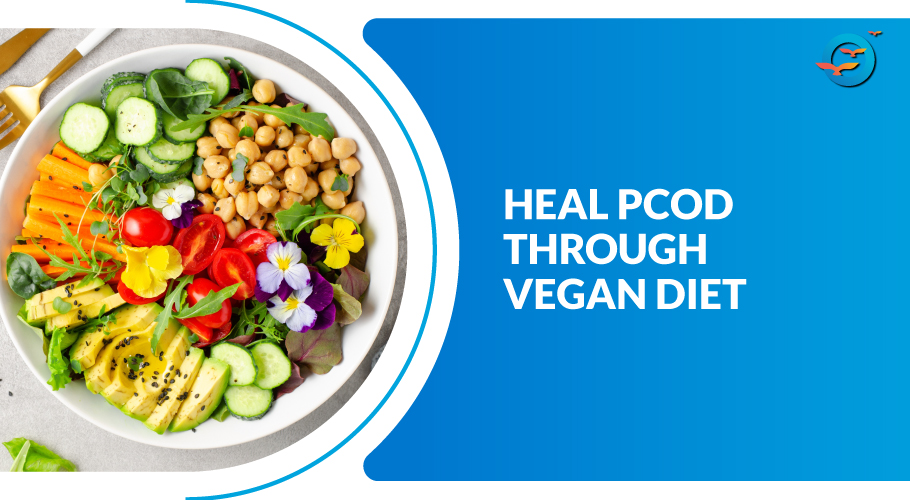

Healing PCOD Naturally with a Vegan Diet – A Simple Guide
Polycystic Ovary Disease (PCOD), also known as Polycystic Ovary Syndrome (PCOS), is one of the most common hormonal conditions affecting women today. It happens when there is an imbalance in reproductive hormones, leading to a variety of symptoms that can impact daily life and overall health. Women with PCOD often struggle with irregular or missed periods, stubborn acne, weight gain, excessive facial or body hair, insulin resistance, mood swings, and fertility challenges.
While modern medicine offers treatments such as hormonal pills and insulin-sensitizing drugs, many women are exploring natural ways to find long-term relief. Lifestyle and dietary changes, especially adopting a plant-based approach, are showing great promise. Among these, a vegan diet rich in whole, plant-based foods has gained attention for its role in improving hormone balance, reducing symptoms, and supporting overall health.
Why Can a Vegan Diet Help in PCOD?
A vegan diet based on whole foods is naturally high in fiber, antioxidants, and essential nutrients. These elements play a key role in reducing inflammation, a major trigger that worsens PCOD symptoms. At the same time, a fiber-rich diet helps improve insulin sensitivity, which is crucial since insulin resistance is one of the root causes of PCOD.
Plant-based meals are generally lighter in calories but more filling due to their high fiber content. This helps in managing weight without strict dieting or constant hunger. For women with PCOD, even a small reduction in weight can significantly improve menstrual regularity and hormone balance.
Additionally, whole plant foods like fruits, vegetables, legumes, and seeds are naturally packed with phytonutrients—plant compounds that support better hormonal health. Over time, following such a diet can reduce acne flare-ups, minimize excess hair growth, and make menstrual cycles more predictable. Another often-overlooked benefit is improved gut health. A healthy gut microbiome influences hormone regulation, and plant-based foods are the best way to nourish good gut bacteria.
How to Follow a PCOD-Friendly Vegan Diet?
Adopting a vegan lifestyle for PCOD does not mean giving up taste or variety. The key is to focus on nutrient-rich whole foods rather than processed vegan alternatives. Here are some simple tips:
-
Eat a rainbow of fruits and vegetables
Each color represents different antioxidants and nutrients. Include leafy greens, berries, carrots, beets, and cruciferous veggies like broccoli and cauliflower. -
Choose whole grains over refined ones
Swap white rice and maida-based foods with brown rice, quinoa, oats, red rice, or millets. These complex carbs help stabilize blood sugar and prevent energy crashes. -
Include plant-based proteins
Lentils, chickpeas, beans, tofu, tempeh, edamame, and even plant protein powders provide the protein your body needs for muscle repair, hormone production, and energy. -
Add healthy fats
Hormone health requires good fats. Avocados, chia seeds, flaxseeds, walnuts, and olive oil are great options that help balance estrogen and progesterone naturally. -
Stay mindful of key nutrients
Certain nutrients may be harder to get on a vegan diet, such as Vitamin B12, iron, calcium, and omega-3 fatty acids. Include fortified foods like plant milks, nutritional yeast, or consult a doctor about supplements. -
Stay hydrated
Drinking enough water supports digestion, detoxification, and hormonal balance. Herbal teas such as spearmint or green tea may also help reduce PCOD-related symptoms.
Can a Vegan Diet Alone Heal PCOD?
It’s important to understand that PCOD is a complex condition influenced by genetics, lifestyle, stress levels, and diet. Shifting to a vegan diet may not cure PCOD overnight, but it can set the foundation for long-term healing. Many women report noticeable improvements within a few months, including better menstrual cycles, improved skin health, and reduced dependence on medications.
However, for best results, diet should be combined with other lifestyle practices such as regular physical activity, stress management techniques like yoga or meditation, and adequate sleep. Guidance from a nutritionist or healthcare professional can also ensure your diet meets all nutrient requirements.
Final Thoughts
Healing PCOD naturally is possible with patience and consistency. A vegan diet focused on whole, plant-based foods can be one of the most effective and sustainable approaches. It not only targets the root issues like insulin resistance and inflammation but also helps you feel more energetic, lighter, and healthier overall.
If you are struggling with PCOD, consider giving this approach a try under expert guidance. Remember, small changes in your daily plate can lead to big improvements in your hormonal health.
👉 To dive deeper into this topic, you can explore our detailed blog here: Healing PCOD Naturally with a Vegan Diet – Your Comprehensive Guide