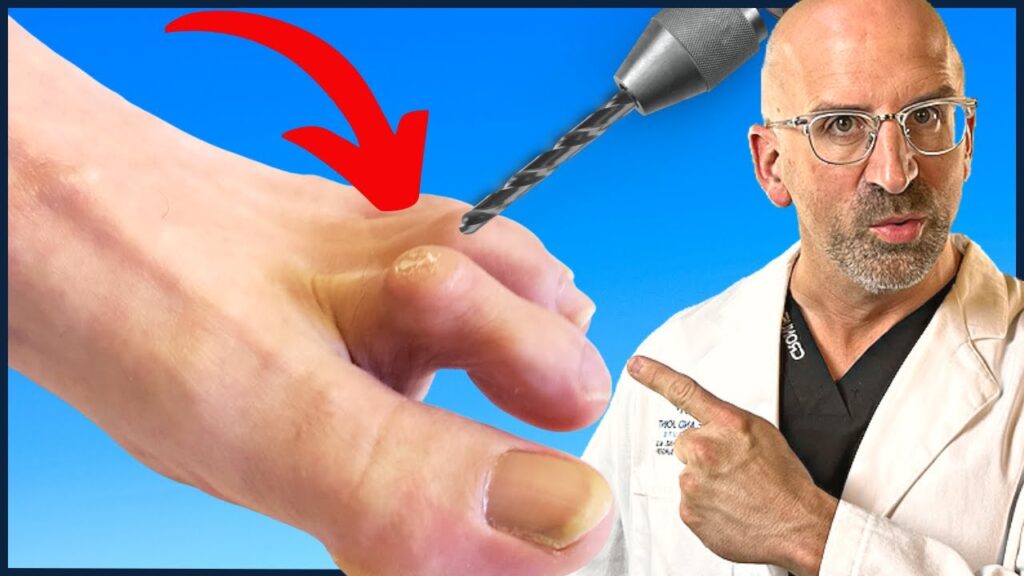

Hammertoe is a progressive toe deformity that can lead to persistent discomfort, footwear difficulties, and reduced mobility if not properly managed. Although it may initially appear as a minor bending of the toe, the condition can gradually become rigid and painful. Early assessment and treatment by a qualified Podiatrist Edinburgh are essential to relieve symptoms, correct contributing factors, and prevent long-term complications.
Clinical Overview of Hammertoe
Hammertoe most commonly affects the second, third, or fourth toes. It is characterised by abnormal flexion at the proximal interphalangeal (middle) joint, causing the toe to bend downward while the base of the toe may lift upward.
In its early stages, hammertoe is flexible and can be manually straightened. Over time, however, muscle imbalance and joint adaptation may cause the deformity to become fixed. As the toe rubs against footwear, secondary problems such as corns, calluses, and soft tissue irritation frequently develop.
Pathophysiology and Contributing Factors
Hammertoe typically develops due to an imbalance between the muscles and tendons responsible for toe alignment. When the stabilising structures weaken or tighten unevenly, the toe is gradually pulled into a bent position.
Common Contributing Factors Include:
-
Inappropriate Footwear: Narrow toe boxes and high heels increase forefoot pressure.
-
Structural Foot Abnormalities: Flat feet, high arches, bunions, and long toes alter weight distribution.
-
Arthritis: Degenerative joint changes can reduce flexibility.
-
Neuromuscular Conditions: Certain neurological disorders affect muscle control.
-
Previous Trauma: Toe injuries may disrupt tendon balance.
A thorough biomechanical evaluation by a Podiatrist Edinburgh helps identify these contributing elements and informs a targeted management plan.
Clinical Presentation and Symptoms
Symptoms vary depending on the severity and duration of the deformity. Patients may report:
-
Localised pain at the bent joint
-
Dorsal corns caused by shoe friction
-
Inflammation and redness
-
Restricted toe mobility
-
Difficulty fitting into standard footwear
In more advanced cases, persistent pressure may lead to ulceration, particularly in high-risk individuals such as those with diabetes.
Diagnostic Assessment
A professional podiatric assessment involves more than visual inspection. Evaluation typically includes:
-
Observation of toe alignment in standing and seated positions
-
Gait analysis to assess weight distribution
-
Palpation of joints and tendons
-
Footwear evaluation
-
Assessment for associated deformities (e.g., bunions)
This comprehensive approach ensures accurate diagnosis and appropriate treatment planning.
Conservative Treatment Approaches
In many cases, early-stage hammertoe can be managed effectively without surgery. The primary objectives are to reduce pain, minimise pressure, and prevent progression.
Footwear Modification
Shoes with a wide toe box and adequate depth reduce mechanical irritation. Soft uppers and low heels are generally recommended.
Protective Padding
Custom padding helps shield the affected joint from friction and relieves pressure.
Orthotic Therapy
Prescription orthotics correct underlying biomechanical abnormalities and redistribute forefoot load.
Exercise and Stretching
Targeted exercises improve muscle balance and maintain joint flexibility in flexible deformities.
A Podiatrist Edinburgh tailors these interventions according to the individual’s foot structure and lifestyle demands.
Management of Secondary Complications
Corns and calluses frequently accompany hammertoe due to repetitive friction. Professional debridement (removal of thickened skin) provides immediate symptom relief and reduces infection risk.
Regular podiatric monitoring is particularly important for individuals with reduced circulation or neuropathy, where minor skin breakdown can escalate into serious complications.
Indications for Surgical Referral
When conservative measures fail and the toe becomes rigid or severely painful, surgical correction may be considered. Surgical procedures aim to realign the toe, restore function, and relieve chronic discomfort.
Surgery is typically recommended when:
-
Pain significantly limits daily activity
-
Recurrent corns persist despite treatment
-
The deformity becomes fixed
-
Conservative management proves ineffective
Even when surgery is necessary, ongoing care from a Podiatrist Edinburgh supports pre-operative preparation and post-operative rehabilitation.
Long-Term Management and Prevention
Preventing progression requires proactive care and early intervention. Patients are encouraged to:
-
Select supportive, well-fitted footwear
-
Address foot discomfort promptly
-
Maintain regular podiatry reviews
-
Perform recommended strengthening exercises
Biomechanical correction and consistent monitoring significantly reduce recurrence risk and preserve long-term foot function.
The Importance of Specialist Podiatric Care
Hammertoe is not solely a cosmetic concern; it is a structural condition that can worsen without appropriate treatment. Attempting to manage symptoms independently may delay necessary care and increase the risk of complications.
Consulting a qualified Podiatrist Edinburgh ensures:
-
Evidence-based diagnosis
-
Individualised treatment planning
-
Safe management of skin lesions
-
Long-term biomechanical correction
Professional intervention focuses not only on relieving pain but also on preserving mobility and overall foot health.
Conclusion
Hammertoe is a progressive deformity that requires timely and professional management. While early stages often respond well to conservative treatment, delayed care may result in chronic pain and structural rigidity.
If you are experiencing persistent toe discomfort, visible deformity, or difficulty wearing shoes, seeking assessment from a trusted Podiatrist Edinburgh is a proactive step toward effective relief. With expert evaluation and tailored treatment, hammertoe symptoms can be managed successfully, allowing you to maintain comfort, mobility, and quality of life.