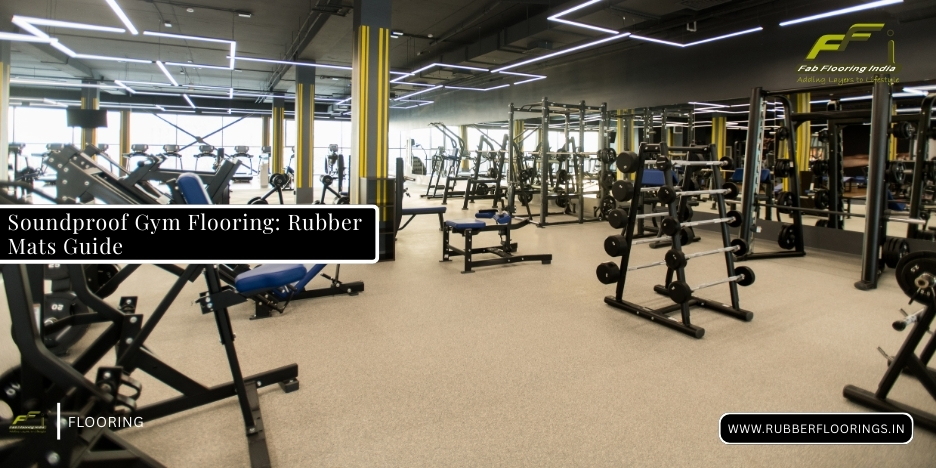

Creating a functional and inviting workout environment begins with the right flooring. Gym floor mats are an essential part of any exercise area, whether it’s a commercial fitness center, a home gym, or a dedicated training zone. They protect the underlying surface, enhance comfort, absorb impact, reduce noise, and improve overall safety. With the wide variety of fitness equipment and workout styles in use today, investing in quality gym floor mats is one of the smartest decisions a gym owner or fitness enthusiast can make.
Heavy equipment, constant foot traffic, intense movements, and dropped weights place a significant amount of stress on floors. Without proper protection, ordinary surfaces like concrete, tile, or wood can crack, dent, and wear prematurely. Gym floor mats provide the ideal barrier between these stresses and your chosen flooring material, extending the life of both your floors and your training space.
What Are Gym Floor Mats?
Gym floor mats are specially engineered flooring products designed to withstand the rigors of fitness and workout activity. They are typically made of high-density rubber or similar resilient materials that combine durability, flexibility, and shock-absorbing properties. These mats are available in various thicknesses and formats, including tiles, rolls, and interlocking systems, allowing for customizable layouts to suit spaces of all sizes.
Rubber floor mats are especially popular due to their robust performance characteristics. They offer superior strength and cushioning without sacrificing longevity or resistance to wear.
Key Benefits of Gym Floor Mats
Enhanced Safety
Safety is a top priority in any workout environment. Gym floor mats provide excellent traction, helping reduce slips and falls, even during high-intensity workouts. Their shock-absorbing qualities also cushion impacts from dropped weights and strenuous movements, reducing the likelihood of injury.
Protects Underlying Floors
Weight machines, free weights, treadmills, and other equipment can wreak havoc on standard flooring. Gym floor mats act as a protective layer, preventing dents, scratches, and cracks that can result from heavy loads and repetitive impact.
Noise and Vibration Control
Gyms can be loud places — especially when weights hit the floor or machines are in constant use. Gym floor mats help dampen noise and reduce vibration, creating a more pleasant and comfortable environment for users and anyone nearby.
Comfort Underfoot
Standing, jumping, stretching, and performing repetitive movements on hard surfaces can cause discomfort and strain. Gym floor mats provide cushioning that enhances comfort, making workouts feel smoother and reducing fatigue during longer sessions.
Easy Installation and Flexibility
Gym floor mats are designed for quick and easy installation. Interlocking tiles snap together effortlessly, allowing you to cover any floor layout without specialized tools. Rolls and tile systems can be custom-cut to fit unique room shapes and sizes, making them highly adaptable.
Low Maintenance
Maintaining gym floor mats is simple. Regular sweeping followed by occasional damp mopping with a neutral cleaner is usually enough to keep the surface clean and fresh. Rubber mats resist stains and don’t require waxing or polishing.
Common Uses of Gym Floor Mats
Commercial Fitness Centers
In professional gyms, floor mats are crucial in weight training areas, cardio zones, stretching spaces, and group exercise rooms. They handle continuous traffic and heavy equipment with ease.
Home Gyms
Whether you have a dedicated room or are converting a garage space into your workout area, gym floor mats provide protection and performance that ordinary flooring can’t match.
CrossFit and Functional Training Areas
CrossFit workouts often involve high-impact movements, kettlebell swings, box jumps, and heavy loads. Gym floor mats absorb repeated impact and protect the space from premature wear.
Yoga and Stretching Zones
Even low-impact activities like yoga and stretching benefit from padded support. Gym floor mats provide stable, cushioned support for floor-based exercises and routines.
Multi-Use Training Spaces
School gyms, community centers, and corporate fitness areas use gym floor mats to support a wide variety of activities, from aerobics to strength training.
Choosing the Best Gym Floor Mats
When selecting gym floor mats, consider several key factors:
-
Material Quality: Durable rubber offers the best balance of shock absorption, wear resistance, and longevity.
-
Thickness: Thicker mats provide greater impact absorption and protection, ideal for weightlifting zones.
-
Size and Configuration: Tiles allow flexible layouts, while rolls offer seamless coverage for large spaces.
-
Surface Texture: Textured designs increase traction and slip resistance for safer workouts.
By matching these features with your specific needs, you can choose gym floor mats that enhance performance and comfort while extending the life of your space.
Installation and Longevity
Gym floor mats are simple to install without professional help. Interlocking tiles fit together like puzzle pieces, while roll systems can be cut to fit and laid flat. Once installed, quality gym floor mats provide long-lasting performance even under heavy use. With basic maintenance, they can retain their appearance and structural integrity for many years.
Final Thoughts
Gym floor mats are an investment that pays dividends in safety, protection, comfort, and performance. They transform ordinary floors into functional workout zones that support a wide range of activities and equipment. Whether you are outfitting a commercial facility or a home gym, quality floor mats make your space better suited to the demands of modern fitness.