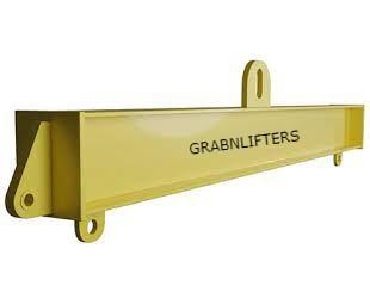

In industries that deal with large volumes of metal waste, demolition debris, and recycling materials, efficient handling of scrap is essential. One of the most effective tools used for this purpose is a scrap grab. Grabs are specialized mechanical attachments designed to pick up, move, and sort bulk materials quickly and safely. Whether used in scrap yards, recycling plants, or ports, grabs help streamline operations while reducing manual labor and improving productivity.
What Are Scrap Handling Grabs?
Scrap handling grabs are heavy-duty lifting attachments commonly used with cranes, excavators, or other material-handling machines. They typically consist of multiple curved “tines” or “claws” that open and close to grip irregularly shaped materials such as metal scraps, pipes, beams, and industrial waste.
Unlike traditional buckets, grabs are designed specifically for loose or bulky materials that are difficult to handle manually. Their claw-like structure allows them to securely hold uneven loads without spilling, making them ideal for scrap management tasks.
Types of Grabs Used in Scrap Handling
There are several types of grabs available depending on the material and the machinery used. Each type serves a specific purpose in the scrap-handling process.
- Orange Peel Grab
This is one of the most common types used in scrap yards. It features multiple curved tines that resemble the peel of an orange when opened. These grabs are excellent for handling mixed scrap metal, shredded materials, and demolition waste. The design allows the grab to penetrate deep into piles of scrap and pick up large quantities efficiently.
- Clamshell Grab
Clamshell grabs have two large bucket-like halves that close together to capture materials. They are widely used for handling bulk materials such as coal, sand, and loose scrap. Their simple design makes them effective for loading and unloading materials in ports and storage yards.
- Hydraulic Grabs
Hydraulic grabs use hydraulic cylinders to control the opening and closing of the claws. These grabs provide strong gripping force and precise control, making them suitable for heavy-duty scrap operations. They are often mounted on excavators or cranes and are commonly used in recycling plants.
- Mechanical Rope Grabs
Mechanical rope grabs operate using wire ropes and pulley systems. These grabs are typically attached to cranes and are commonly used in large-scale material handling operations where hydraulic systems are not available.
Advantages of Using Grabs for Scrap Handling
Using grabs in scrap operations offers several important advantages that improve efficiency and safety.
- Increased Productivity
Grabs allow operators to move large amounts of scrap in a single lift. This significantly reduces loading and unloading time compared to manual handling.
- Improved Safety
Handling scrap manually can be dangerous due to sharp edges, heavy pieces, and unstable piles. Grabs minimize direct human contact with the material, reducing the risk of injuries.
- Versatility
Grabs can handle a wide range of materials including metal scrap, construction debris, industrial waste, and recyclable materials. This versatility makes them suitable for different industries.
- Reduced Labor Costs
By automating the lifting and transportation of scrap materials, grabs reduce the need for manual labor and increase operational efficiency.
- Better Material Control
Operators can precisely control the opening and closing of grabs, allowing them to sort materials more effectively during recycling or storage processes.
Applications of Scrap Handling Grabs
Scrap handling grabs are used across many industries where bulk material movement is required. Some common applications include:
- Scrap yards and metal recycling facilities
- Steel manufacturing plants
- Shipyards and port cargo operations
- Demolition and construction sites
- Waste management and recycling centers
In these environments, grabs help manage large quantities of materials quickly while maintaining organized storage and efficient workflow.
Key Factors to Consider When Choosing a Grab
Selecting the right grab for scrap handling depends on several important factors:
Material Type: Different grabs are designed for different materials. Heavy steel scrap requires stronger grabs compared to lighter waste materials.
Machine Compatibility: The grab must be compatible with the crane, excavator, or loader being used.
Capacity and Size: The volume of scrap being handled determines the size and capacity of the grab needed.
Operating Environment: Outdoor scrap yards, recycling plants, and port operations may require different grab designs depending on working conditions.
Conclusion
Grabs play a crucial role in modern scrap handling operations by providing a reliable, efficient, and safe way to manage large volumes of material. Their ability to grip irregularly shaped scrap makes them indispensable tools in recycling yards, demolition sites, and industrial facilities.
By choosing the right type of grab and maintaining it properly, businesses can significantly improve their scrap-handling efficiency, reduce operational risks, and increase overall productivity. As industries continue to focus on recycling and resource management, scrap handling grabs will remain an essential part of material-handling equipment.
Other recommended Link: Double Girder Grab Crane Manufacturers