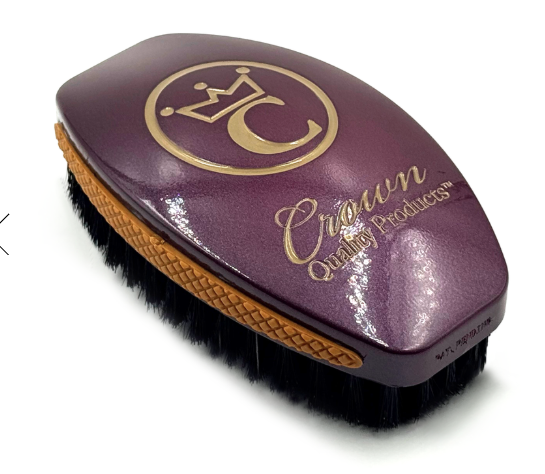

Ever wondered why some waves hit like a ripple effect and yours just sit there? It is not luck. It is your brush. The right tool can flip your entire routine overnight. With good wave brushes, you stop chasing waves and start building them with purpose, control, and that smooth, eye-catching finish everyone notices instantly.
Why Does Your Brush Make or Break Your Waves?
Think about this. You can use the best pomade, follow the perfect routine, and still struggle. Why? Because your brush does the real work. It trains your hair to lay down in a pattern. When you use good wave brushes, your hair responds better. It aligns, it stays flat, and your waves start forming with less effort and more control.
Now here’s something interesting. According to a 2025 report by Statista, the global men’s grooming market is expected to cross 115 billion dollars, with wave care tools and brushes seeing a sharp rise in demand. That tells you one thing. Men are investing in the right tools, not shortcuts.
So, What Makes a Brush “Good” for Waves?
Let’s keep it real. Not every brush deserves a spot in your routine. You need to look for a few key things. First, bristle type matters. Soft brushes help lay your hair down. Medium brushes build your pattern. Hard brushes hit deeper and train wolfing hair.
Next comes handle design. A firm grip gives you better control during long brushing sessions. Finally, durability counts. A weak brush breaks your rhythm and your progress. The best brush for waves feels natural in your hand and works with your hair, not against it.
Top Picks You Should Keep in Your Rotation
If you want results, you need a rotation, not just one brush. Start with a soft brush for daily use. This keeps your hair smooth and maintains shine. Add a medium brush to build your wave pattern and improve depth.
Then bring in a hard brush when you are wolfing. This is where magic happens. It helps train thicker hair and pushes your waves to connect. Pair these brushes with a good conditioner and you will notice faster progress, better texture, and cleaner definition.
How Do You Actually Use These Brushes Right?
Here is where most people slip. You cannot just brush randomly and expect waves. You need direction and consistency. Always brush from your crown outward. Follow your natural pattern. Stay patient. Waves do not show up overnight.
Brush for at least 15 to 20 minutes a day. Break it into sessions if needed. Morning, evening, and before bed works best. Add a durag after brushing to lock everything in. Over time, your hair learns the pattern and starts holding it naturally.
What About Beard Care? Does It Connect?
Yes, it does. Your grooming routine should feel complete. While you build your waves, your beard also needs attention. A good beard brush helps distribute oils, reduce dryness, and keep your look sharp.
Use a soft beard brush daily. Pair it with beard oil or conditioner. This keeps your beard healthy and matches the clean finish of your waves. When both are on point, your overall style levels up instantly.
Common Mistakes You Should Avoid Right Now
Let’s fix this quickly. Do not over-brush with a hard brush. It can damage your scalp. Do not skip conditioning. Dry hair does not wave well. And do not ignore your brush quality. Cheap brushes slow your progress and waste your effort.
Also, stay consistent. One good week is not enough. Waves reward discipline. The more you stick to your routine, the faster you see that clean, spinning pattern come alive.
Conclusion
At the end of the day, your waves reflect your routine and your tools. When you invest in the right brushes, stay consistent, and follow a clear method, results follow naturally. Good wave brushes are not just accessories. They are your foundation. Choose smart, brush right, and watch your waves turn heads every time you step out.