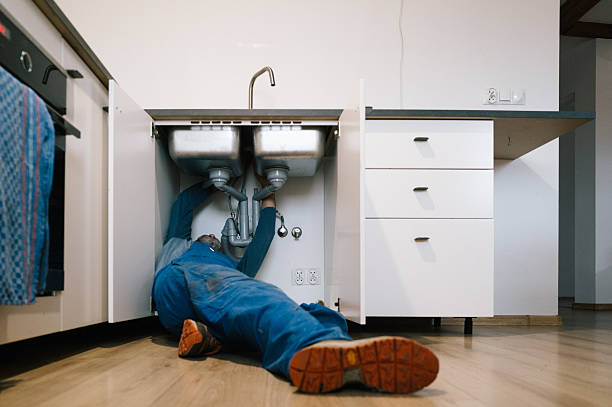

When something goes wrong at home—whether it’s a leaking pipe, a broken hot water system, or a gas appliance issue—most Australians often ask the same question: Do I call a plumber or a gas fitter?
While these two trades are closely related, they are not the same. Understanding the difference can save you time, money, and most importantly, ensure your home stays safe and compliant with Australian standards.
In this guide, we’ll break down the key differences between a gas fitter and a plumber in Australia, when to call each one, and why choosing the right tradie matters—especially when dealing with gas systems.
What Does a Plumber Do in Australia?
A plumber is a licensed tradesperson who works primarily with water supply, drainage, sewage, and roofing systems. Their main job is to ensure clean water flows into your home and wastewater is safely removed.
Typical plumbing services include:
- Fixing leaking taps and burst pipes
- Unblocking drains and toilets
- Installing sinks, showers, and toilets
- Hot water system repairs and installations
- Roof plumbing and guttering
- Bathroom and kitchen renovations
Plumbers complete a Certificate III in Plumbing through a multi-year apprenticeship and must be licensed in their state or territory. In Australia, plumbing work is strictly regulated to ensure safety and compliance.
What Does a Gas Fitter Do?
A gas fitter is a licensed specialist who works specifically with gas systems and gas-powered appliances. This includes natural gas and LPG (liquefied petroleum gas), which are highly flammable and require strict safety handling.
A gas fitter is responsible for:
- Installing and connecting gas appliances (cooktops, ovens, heaters)
- Running and repairing gas pipelines
- Detecting and fixing gas leaks
- Installing hot water systems powered by gas
- Conducting pressure tests and safety checks
- Ensuring compliance with gas safety regulations
Gas fitting work must always be done by a licensed professional because incorrect installation can lead to dangerous leaks or carbon monoxide risks.
In most Australian states, gas fitting is a specialised licence or endorsement due to the high-risk nature of gas work.
Gas Fitter vs Plumber: The Key Differences
Although both trades can overlap, especially in modern construction and renovations, their core responsibilities are different.
Here’s a simple breakdown:
- Plumbers handle water, drainage, and general pipe systems
- Gas fitters handle gas lines, appliances, and gas safety systems
In some cases, a tradesperson may be dual-qualified as both a plumber and gas fitter, but that’s not always the case.
Main differences include:
1. Type of system
- Plumber: Water and drainage systems
- Gas fitter: Gas pipelines and gas appliances
2. Risk level
- Plumbing: Generally low-risk
- Gas fitting: High-risk due to flammability
3. Licensing
- Separate licences or endorsements required
- Gas work always requires additional qualifications
4. Common jobs
- Plumber: Blocked drains, leaking pipes, toilets
- Gas fitter: Gas leaks, cooktop installations, gas heaters
When Should You Call a Plumber?
You should contact a plumber when your issue involves:
- Water leaks or burst pipes
- Blocked toilets or drains
- Bathroom or kitchen plumbing installations
- Roof leaks or gutter issues
- Hot water system faults (water-related components)
If it involves water movement or drainage, a plumber is the right choice.
When Should You Call a Gas Fitter?
You should call a gas fitter when the issue involves:
- Smell of gas in your home
- Installing a new gas cooktop or oven
- Gas hot water system issues
- Gas heater servicing or repairs
- Running new gas lines for renovations
If there is any suspicion of a gas leak, it should be treated as urgent and handled by a licensed gas professional immediately.
For example, if you’re searching locally, a Gas Fitter Craigieburn would typically handle everything from gas appliance installations to emergency leak detection in that area.
Why the Difference Matters in Australia
In Australia, gas and plumbing work are heavily regulated due to safety risks. Gas leaks, if handled incorrectly, can lead to serious hazards including fire or carbon monoxide poisoning.
That’s why:
- Only licensed professionals can legally perform gas work
- Compliance certificates are often required after installation
- Insurance may be invalid if unlicensed work is done
- Safety inspections are strict and mandatory in many cases
Even though plumbers and gas fitters often work together on renovations, they each play a very different role in keeping your home safe.
Can a Plumber Also Be a Gas Fitter?
Yes—many plumbers in Australia complete additional training to become licensed gas fitters. These professionals are often called dual-qualified tradespeople, and they are highly valuable in construction and renovation projects.
However, not all plumbers are qualified for gas work, which is why it’s important to always check licensing before hiring someone.
Final Thoughts
The difference between a plumber and a gas fitter in Australia comes down to one key factor: water vs gas.
- Plumbers handle your water systems, drainage, and general plumbing needs
- Gas fitters specialise in gas appliances, pipelines, and safety systems
While they often work side by side, especially in modern homes, their roles are distinct and regulated for safety reasons.
If you’re dealing with gas-related issues, always hire a licensed gas fitter. And if you’re in areas like Victoria looking for local help, a trusted Gas Fitter Craigieburn can ensure your gas systems are installed and maintained safely and correctly.
Choosing the right tradie isn’t just about fixing a problem—it’s about protecting your home, your safety, and your peace of mind.