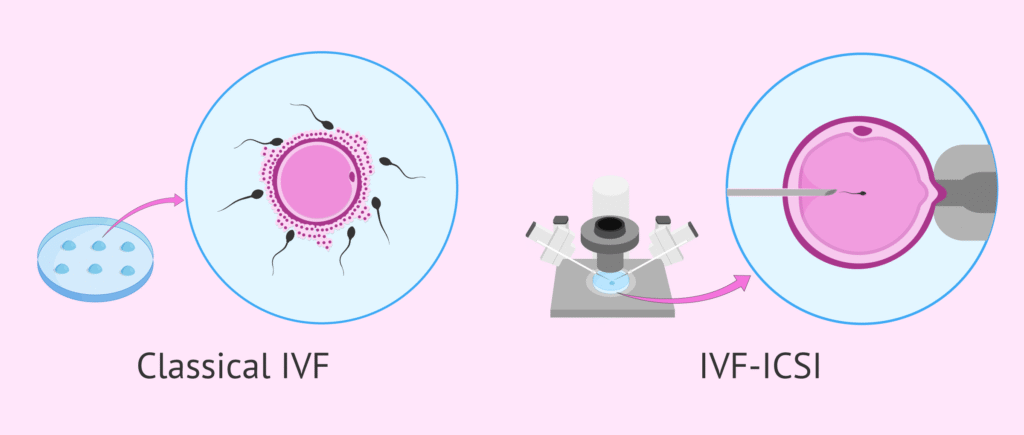

When couples face the daunting diagnosis of infertility, In-Vitro Fertilization (IVF) often represents the most promising path forward. As a health specialist, I have seen the IVF landscape evolve tremendously. Today’s advanced reproductive technologies are nothing short of miraculous, offering solutions to complex issues like tubal blockages, severe male factor infertility, and unexplained conception challenges.
However, while modern medicine provides the necessary scientific intervention, your body provides the environment. A successful IVF cycle is not solely reliant on the medications prescribed or the precise timing of the embryo transfer. It is a deeply collaborative process between clinical expertise and your foundational health. By proactively optimizing your lifestyle, nutrition, and fitness, you can actively influence the quality of your gametes (eggs and sperm) and create a highly receptive uterine environment.
The Science of Cellular Health and Fertility
To understand why lifestyle matters, we must look at the cellular level. The development of a mature egg (folliculogenesis) and the generation of new sperm (spermatogenesis) are processes that take approximately 90 days. During this critical three-month window, these cells are highly vulnerable to their surrounding environment.
High levels of oxidative stress—caused by poor diet, environmental toxins, and sedentary habits—can damage the DNA within eggs and sperm. This damage can lead to lower fertilization rates, poor embryo development, or implantation failure. Conversely, a nutrient-rich, well-oxygenated cellular environment acts as a protective shield, enhancing cellular energy and improving overall reproductive potential.
Nutrition: Building Blocks for a Successful Cycle
Diet is arguably the most controllable factor in your fertility journey. The goal is to reduce systemic inflammation and ensure your endocrine (hormone) system has the nutrients it needs to function optimally.
The Power of a Plant-Forward and Vegetarian Diet
You do not need to consume meat to build a fertility-friendly body; in fact, a well-planned vegetarian diet is naturally rich in the antioxidants required to combat oxidative stress. If you follow a vegetarian lifestyle, focus on the following to maximize your IVF outcomes:
-
High-Quality Plant Proteins: Replacing animal proteins with plant-based options has been linked to a lower risk of ovulatory infertility. Incorporate plenty of lentils, chickpeas, edamame, and quinoa into your daily meals.
-
Healthy Fats: Fats are the building blocks of hormones. Avocados, walnuts, chia seeds, and extra virgin olive oil provide essential Omega-3 and Omega-6 fatty acids that support healthy estrogen and progesterone levels.
-
Vibrant Antioxidants: Fill your plate with a rainbow of vegetables and fruits. Dark leafy greens (spinach, kale) are packed with natural folate, which is critical for preventing neural tube defects and supporting early embryo development. Berries, bell peppers, and tomatoes offer high doses of Vitamin C and lycopene.
Bridging the Nutritional Gaps
While a vegetarian diet is fantastic for fertility, it is important to be mindful of specific nutrients that might require supplementation. Always consult your reproductive endocrinologist, but generally, women preparing for IVF should ensure adequate levels of:
-
Vitamin B12: Crucial for DNA synthesis and nerve function.
-
Iron: Essential for carrying oxygen to your reproductive organs.
-
Vitamin D: Often called the “fertility vitamin,” adequate Vitamin D levels are associated with higher IVF success rates.
Fitness: Finding the Fertility Balance
Physical activity is another vital pillar of IVF preparation, but it requires a delicate balance. The goal of fitness during fertility treatments is to improve blood circulation, manage stress, and maintain a healthy Body Mass Index (BMI)—not to push your body to its absolute limits.
The Goldilocks Zone of Exercise
Extremes on either end of the fitness spectrum can hinder fertility. A completely sedentary lifestyle can lead to insulin resistance, which disrupts ovulation. On the other hand, exhaustive, high-intensity workouts (like heavy weightlifting or long-distance running) can signal to your body that it is under physical stress, potentially down-regulating your reproductive hormones.
Instead, aim for the “Goldilocks zone”—moderate, consistent exercise.
-
Brisk Walking: Excellent for cardiovascular health without overtaxing the central nervous system.
-
Fertility Yoga: Specifically designed to increase blood flow to the pelvic region while promoting deep, restorative breathing.
-
Light Resistance Training: Helps maintain muscle mass and insulin sensitivity.
Important Note: Once you begin your stimulation injections, your ovaries will become enlarged. During this specific phase, you must strictly limit exercise to light walking to prevent a rare but serious condition called ovarian torsion.
The Crucial Role of Your Clinical Partner
You can eat perfectly and exercise optimally, but the ultimate success of your cycle heavily relies on the medical professionals guiding your care. The laboratory conditions where your embryos are cultured and the tailored protocols designed by your doctor are the final, most critical pieces of the puzzle.
When embarking on this journey, especially if you are looking for an ivf center in jaipur, it is imperative to seek out a facility that matches your commitment to excellence. You want a clinic that does not just treat you as a number but looks at your holistic health profile. The quality of the embryology lab—including their air filtration systems, incubator technology, and the expertise of the embryologists handling your gametes—directly impacts embryo viability.
Choosing the [suspicious link removed] means finding a medical team that values transparency, utilizes the latest advancements like Preimplantation Genetic Testing (PGT) and advanced cryopreservation, and offers comprehensive emotional support throughout the demanding treatment cycle.
Protecting Your Mental Wellbeing
Finally, no IVF preparation guide is complete without addressing mental health. The intersection of clinical procedures, financial investment, and deep emotional longing creates a uniquely stressful environment.
Chronic stress elevates cortisol levels, which can subtly interfere with the delicate hormonal cascade required for reproduction. Make mental health a non-negotiable part of your protocol. Whether it is through daily meditation apps, professional counseling, journaling, or joining a fertility support group, finding a safe outlet for your emotions is a vital component of your overall health.
Empowering Your Journey
IVF is a profound undertaking that demands patience, resilience, and clinical excellence. By taking ownership of the variables you can control—nourishing your body with a vibrant, antioxidant-rich diet, engaging in balanced fitness routines, and fiercely protecting your mental peace—you lay the strongest possible foundation for the medical procedures to follow.
Partnered with a dedicated, high-quality fertility clinic, your proactive lifestyle choices transform you from a passive patient into an active participant in your reproductive journey, bringing you one step closer to the family you envision.