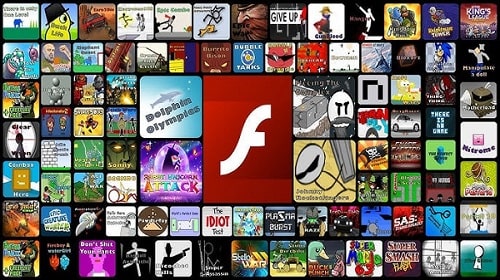

For more than a decade, Flash games were a defining part of the internet. They introduced millions of players to online gaming through simple controls, creative ideas, and instant accessibility. Although Adobe Flash is no longer supported, the influence of Flash games continues to shape modern gaming and internet culture.
What are Flash Games?
Flash games were browser-based games built using Adobe Flash technology. Unlike traditional PC or console games, they required no installation—players simply opened a webpage and started playing. This made Flash games incredibly accessible, especially at a time when internet speeds and hardware were limited.
From puzzle games and platformers to shooters and simulations, Flash supported a wide range of genres. Many games were small in size but packed with creativity, making them perfect for short play sessions.
Why Flash Games Became So Popular
The biggest reason for the success of Flash games was convenience. Anyone with a web browser and an internet connection could play, often for free. This low barrier attracted casual players who might not otherwise consider themselves gamers.
Another key factor was creativity. Independent developers used Flash to experiment with unique mechanics, humor, storytelling, and art styles. Because development costs were low, creators could take risks that larger studios often avoided.
Iconic Flash Game Websites
Several websites became synonymous with Flash gaming. Platforms like Newgrounds, Miniclip, Kongregate, and Armor Games hosted thousands of titles and helped build strong gaming communities. Players could rate games, leave comments, and even communicate directly with developers.
These platforms also gave developers valuable feedback and exposure. Many well-known game creators today began their careers by releasing Flash games on these sites.
Variety of Genres and Experiences
flash games covered nearly every genre imaginable. There were fast-paced action games, relaxing puzzles, challenging platformers, idle clickers, and story-driven adventures. Some games focused on humor, while others offered surprisingly deep gameplay and difficulty.
Despite technical limitations, developers found clever ways to keep players engaged. Leaderboards, achievements, and replayability were common features that encouraged competition and long-term play.
The End of Adobe Flash
In 2020, Adobe officially discontinued Flash due to security vulnerabilities and performance issues. Modern browsers stopped supporting it, and countless Flash games suddenly became inaccessible. For many players, this felt like the loss of an entire era of online entertainment.
However, the end of Flash was not the end of Flash games themselves. The gaming community quickly began working on preservation solutions.
Playing Flash Games Today
Thanks to preservation projects and emulators, many classic Flash games can still be played today. Tools like offline players and archives allow users to safely enjoy thousands of games without relying on outdated browser plugins.
In addition, some developers have remade or ported their Flash games to modern platforms using HTML5 or game engines, ensuring their creations live on.
The Lasting Impact of Flash Games
Flash games played a major role in shaping modern indie and browser gaming. They proved that small teams—or even solo developers—could create games that reached millions of players worldwide.
Many popular design ideas, such as simple mechanics with high difficulty or short but addictive gameplay loops, originated or became popular during the Flash era. These concepts are still widely used in mobile and indie games today.
Why Flash Games Are Still Remembered
For many people, Flash games are tied to nostalgia. They remind players of school computer labs, late-night browsing, and discovering strange but wonderful games online. Beyond nostalgia, Flash games represent a time when creativity and accessibility defined gaming on the internet.
Final Thoughts
Although Flash games are no longer part of everyday web browsing, their legacy remains strong. They shaped a generation of players and developers, influenced modern game design, and proved that great ideas don’t need massive budgets. Flash games may belong to the past, but their impact will be felt for years to come.