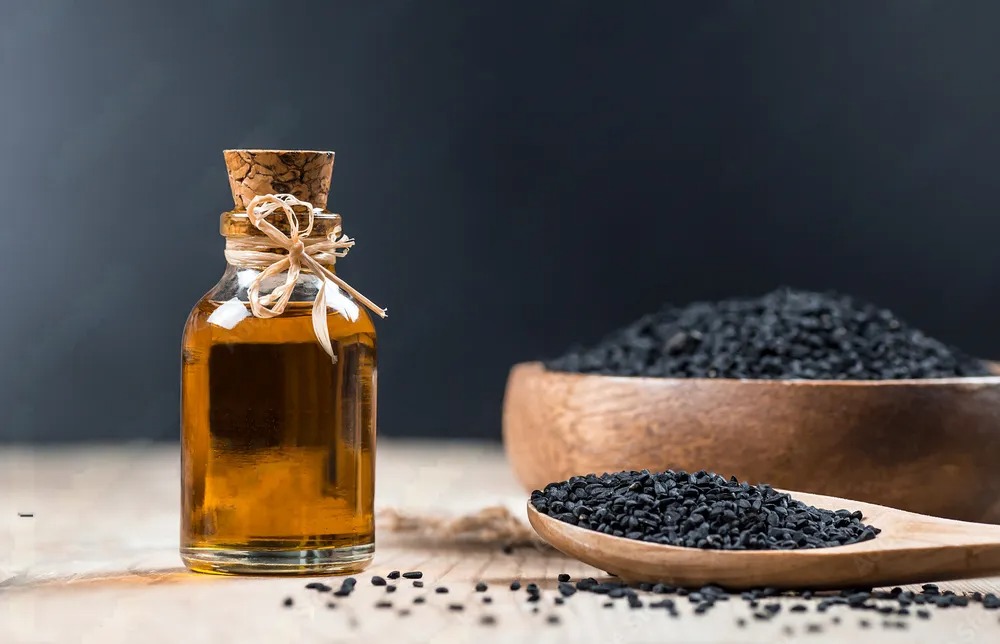

Black seed oil has moved from a niche wellness product to something you’ll find in health stores, skincare lines, and even food brands. With that growth has come a wave of new suppliers, both local and international. Some offer excellent cold-pressed oil with full traceability. Others cut corners, dilute their products, or provide little transparency.
If you’re looking for reliable black seed oil bulk suppliers—whether you’re a retailer, manufacturer, or someone sourcing in bulk for private label—here’s what you should look for and what separates trustworthy suppliers from the rest.
Understand What Makes a Good Black Seed Oil
Black seed oil comes from the seeds of Nigella sativa. The quality depends on how the seeds are grown, processed, and stored. Before choosing a supplier, it helps to know a few basics:
Cold-pressed is best. Heat can break down the beneficial compounds, especially thymoquinone. A good supplier will use cold-press extraction and mention it upfront.
Seed origin matters. Black seeds grown in Egypt, Turkey, and India are known for stronger aroma and higher thymoquinone levels. Reliable suppliers share details about where their seeds come from.
Freshness affects potency. Black seed oil has a strong earthy smell, but it shouldn’t smell rancid. Fresh oil is dark in color and slightly thick. Good suppliers rotate stock often and list production dates.
What Reliable Suppliers Usually Offer
You can often spot a dependable supplier by the level of detail they provide. Here are a few things to look for:
1. Lab Testing
High-quality suppliers test for thymoquinone levels, purity, and contaminants like heavy metals or pesticides. Ask for a Certificate of Analysis (COA). If they hesitate, that’s a warning sign.
2. Clear Packaging Information
Good suppliers use dark bottles to protect the oil from light. If they sell in bulk, they may use food-grade drums. They should clearly label batch numbers, expiry dates, and production details.
3. Multiple Grade Options
Some suppliers offer standard cold-pressed oil, extra-virgin oil, or organic certified oil. If you need black seed oil suppliers for skincare formulations, you might want a more filtered version. If you’re using it for supplements, you may need higher thymoquinone content.
4. Reasonable Lead Times
If a supplier consistently delivers late, it may mean they don’t control their production well. Reliable suppliers keep a steady inventory or give accurate timelines.
Red Flags to Watch For
Not all black seed oil manufacturers operate the same way. Keep an eye out for these common issues:
Vague product descriptions. If a supplier can’t say where the seeds come from or how the oil is extracted, it’s better to move on.
Unusually low prices. If the price looks too good, the oil may be diluted or from poor-quality seeds.
No traceability. A trustworthy supplier can trace their product from seed sourcing to final packaging.
Overly long storage times. Freshness is important. If the supplier admits their oil has been stored for a year or more, look elsewhere.
Domestic vs. International Suppliers
You can buy black seed oil wholesale from suppliers in your own country or from producers in regions where Nigella sativa naturally grows.
Domestic suppliers often offer faster shipping, easier communication, and simpler returns. You also avoid import paperwork.
International suppliers, especially from Egypt, Turkey, and India, may offer more competitive bulk pricing and direct access to fresh harvests. The tradeoff is longer lead times and sometimes higher minimum order quantities.
Many buyers use a hybrid approach: they test small samples from several international producers, choose the best, and then work with a local distributor who imports from that same source.
Tips for Businesses Buying in Bulk
If you’re buying for retail, private label, or manufacturing, a bit of extra planning saves a lot of headaches.
Request samples first. Most suppliers offer small test samples. Check the aroma, color, and how it performs in your formulations.
Ask about custom packaging. Many suppliers can fill bottles with your label, which is useful if you’re starting a new brand.
Negotiate long-term pricing. If you expect steady demand, discuss fixed pricing for a set period. It protects you from sudden changes in seed costs.
Check shipping conditions. Black seed oil distributors should not sit in extreme heat. Good suppliers pack drums or cartons securely and ship with temperature considerations in mind.
Final Thoughts
Finding the right black seed oil wholesale takes some research, but the effort pays off. Quality varies widely in this market, and the most reliable suppliers stand out through transparency, testing, and consistent service. Whether you’re a business building a product line or a buyer sourcing bulk oil, focus on suppliers who value purity, freshness, and clear communication. These qualities make all the difference in the final product you deliver to your customers.
FAQs About Black Seed Oil Suppliers
1. How do I know if a supplier sells pure black seed oil?
Ask for lab results or a Certificate of Analysis. Pure oil should be cold-pressed and come from a clear seed origin.
2. What country produces the best black seed oil?
Egypt, Turkey, and India are known for strong seeds with higher thymoquinone levels.
3. Do suppliers offer organic options?
Many do. Look for certified organic oil and make sure the certification is from a recognized agency.
4. Can I order small quantities before buying in bulk?
Most suppliers provide small samples or low-volume orders so you can test quality first.
5. What is a reasonable shelf life for black seed oil?
About two years when stored properly in dark, cool conditions. Fresher batches are always better.
6. Do suppliers handle private label packaging?
Many bulk suppliers offer bottle filling, labeling, and custom packaging for brands.