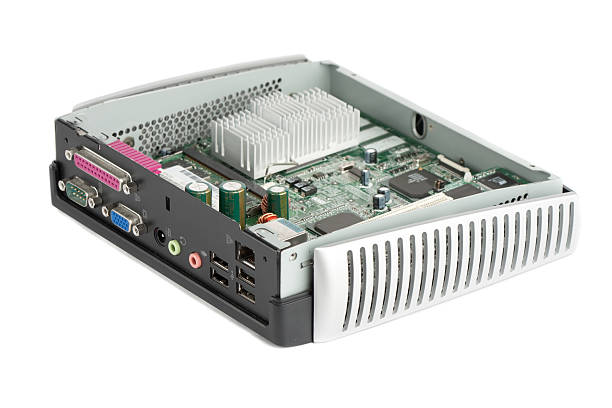

In today’s world where technology evolves rapidly, efficiency and reliability in computing are more than just desirable — they are essential. A Fanless PC offers a quiet, durable, and low-maintenance alternative to traditional systems with cooling fans. For professionals working in noise-sensitive environments such as offices, laboratories, retail spaces, and industrial settings, the elimination of moving parts in a PC can transform the user experience. Not only does it reduce noise, but it also enhances system longevity by minimizing the risk of mechanical failure due to fan wear and tear.
A fanless computing solution leverages passive cooling technologies that dissipate heat through heat sinks, thermal conduction, and optimized chassis design. These systems are engineered to maintain optimal operating temperatures even in demanding workloads, making them ideal for a wide range of use cases. Whether you are powering digital signage, embedded systems, point-of-sale setups, or compact workstations, fanless PCs bring substantial performance advantages with minimal disruption.
What is a Fanless PC?
A fanless PC is a computer that relies on passive cooling rather than active cooling through fans. While traditional systems use fans to circulate air and remove heat, fanless designs eliminate that component entirely. Instead, they use carefully designed enclosures, heat spreaders, and efficient thermal architecture to manage heat. This results in several key benefits:
-
Silent Operation: Without fans, the system operates quietly, making it ideal for noise-sensitive environments like offices, studios, clinics, or libraries.
-
Enhanced Durability: Fans are mechanical parts that can fail over time. Removing them increases system reliability and reduces maintenance.
-
Dust and Debris Resistance: A fanless design minimizes the entry points for dust and debris, improving performance stability and reducing internal cleaning needs.
-
Energy Efficiency: Without power-hungry fans, these PCs often consume less energy and provide more efficient operation.
Key Benefits of Fanless PC Technology
1. Zero Noise Pollution
One of the most noticeable benefits of a fanless PC is its quiet operation. With no fans spinning at high speeds, there are no whirring or humming noises. This is especially beneficial in environments where concentration and minimal background sound are crucial.
2. Greater Longevity and Reliability
Mechanical components such as fans are prone to wear and mechanical failure. In contrast, fanless systems use solid-state cooling principles that inherently have fewer moving parts. This dramatically increases the system’s lifespan and reduces the likelihood of unexpected breakdowns.
3. Clean and Dust-Resistant Design
Fans can draw in dust, dirt, and other particulates from the environment that accumulate inside the system. Over time, this buildup can cause overheating and component damage. Fanless PCs mitigate this by limiting the pathways through which dust can enter, leading to cleaner internals and better long-term performance.
4. Ideal for Industrial and Harsh Environments
In industrial environments where dust, vibrations, and extreme conditions are common, fanless PCs excel. They can operate reliably without the risk of fan failure due to harsh conditions, making them suitable for factory automation, kiosks, and outdoor installations.
5. Energy Efficiency Saves Cost
With no fans consuming power, fanless PCs often deliver better energy efficiency. This not only reduces electricity bills but also supports sustainability goals for businesses looking to reduce their environmental footprint.
Common Applications for Fanless PCs
Office and Professional Workstations
For professionals who spend long hours in quiet office environments, a fanless PC is ideal. It reduces distractions and provides dependable performance for daily tasks, multimedia applications, and data processing.
Retail and Point-of-Sale Systems
In retail settings, point-of-sale systems need to be reliable and unobtrusive. A fanless PC delivers both performance and durability, ensuring seamless transactions without noise or maintenance issues.
Digital Signage and Public Displays
Fanless systems are perfect for digital signage solutions in public spaces, museums, airports, and transportation hubs. Their reliability and quiet operation ensure uninterrupted service without drawing attention.
Industrial Automation and Control Systems
In manufacturing and industrial environments, computing systems often have to withstand dust, vibrations, and temperature fluctuations. Fanless PCs are rugged enough to handle these challenges and maintain stable operation.
Medical and Laboratory Equipment
In healthcare and lab settings, noise reduction and system cleanliness are vital. A fanless PC ensures quiet operation and reduces contamination risks, making it suitable for patient care stations and diagnostic equipment.
Performance Expectations
Fanless PCs are engineered to provide excellent performance while maintaining thermal stability. Many systems come equipped with modern processors optimized for low heat output without sacrificing processing power. This enables smooth multitasking, rapid data processing, and support for demanding applications.
Whether running multiple displays, handling complex calculations, or managing networked tasks, fanless computing systems are capable of delivering consistent performance for both professional and personal use.
Choosing the Right Fanless PC
When selecting a fanless PC, consider your specific needs:
-
Processing Power: Choose a model with a processor that aligns with your workload requirements.
-
Memory and Storage: Ensure ample RAM and storage capacity for your applications.
-
Connectivity: Look for multiple ports and connectivity options that support your peripherals and network needs.
-
Form Factor: Select between compact, desktop, or ruggedized chassis based on your space and usage scenario.
A well-chosen fanless PC will serve as a reliable backbone for your computing needs, enhancing efficiency and reducing maintenance overhead.
Conclusion: The Future of Silent Computing with Esis
Fanless PC technology represents a significant step forward in computing design. By eliminating traditional cooling fans, these systems deliver quiet, efficient, and robust performance across a wide range of applications. Whether you are powering a busy office, industrial control setup, retail display, or specialized workstation, a fanless PC offers lasting value and dependable service. For thoughtful and tailored solutions, trust Esis to guide you in selecting and deploying fanless computing systems that match your unique needs.