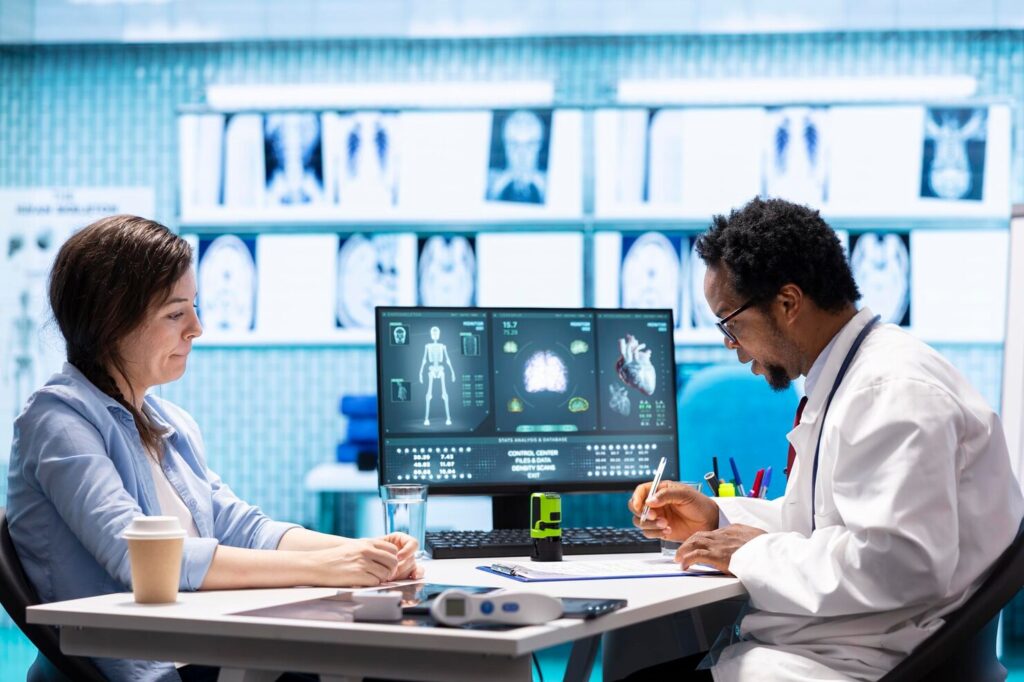

In today’s evolving healthcare environment, hybrid imaging technologies have become essential to accurate diagnosis, early disease detection, and optimized patient management. As clinical demands rise and precision-based medicine becomes standard, Single Photon Emission Computed Tomography (SPECT) combined with Computed Tomography (CT) is transforming how medical professionals visualize physiological and anatomical processes. Within this highly specialized landscape, the integration of spect ct nuclear medicine has positioned itself as a cornerstone in modern diagnostic pathways.
How SPECT/CT Enhances Modern Diagnostic Capabilities?
SPECT/CT merges functional imaging with detailed anatomical clarity, enabling clinicians to capture both metabolic activity and structural context in a single scan. This combined approach significantly improves lesion localization, reduces false positives, and enhances diagnostic confidence across a wide spectrum of conditions.
Functional Precision Meets Structural Accuracy
SPECT alone highlights areas of altered biological activity, while CT provides precise anatomical definition. When combined, these capabilities enable us to detect subtle abnormalities that might otherwise remain hidden using standalone techniques. This integration is particularly valuable in oncology, cardiology, orthopedics, and neuroimaging, where pinpointing the exact source of dysfunction is crucial for tailored treatment planning.
SPECT/CT in Cardiovascular Diagnostics
Cardiac disorders remain one of the leading global health challenges, and hybrid imaging plays a crucial role in improving outcomes. Using spect ct nuclear medicine, physicians can assess myocardial perfusion, detect ischemia, and evaluate ventricular function with enhanced accuracy. CT attenuation correction further enhances image reliability, offering clearer evaluations even for patients with high body mass or complex anatomical variations.
Oncology Imaging and Metastatic Detection
Detecting malignancies and assessing their spread requires imaging modalities capable of differentiating active tumor tissue from benign abnormalities. SPECT/CT provides:
- High sensitivity for early metastatic detection
- Accurate differentiation between tumor recurrence and post-treatment changes
- Precise localization for surgical or radiation planning
By delivering functional insight alongside structural mapping, clinicians gain a comprehensive understanding essential for personalized cancer management.
Orthopedic and Musculoskeletal Applications
Musculoskeletal conditions – such as stress fractures, joint disorders, prosthetic loosening, and infection—often present diagnostic challenges. With SPECT/CT, subtle abnormalities can be visualized early, reducing diagnostic uncertainty and guiding targeted interventions. For orthopedic surgeons, hybrid imaging offers exceptional value in pre-operative planning and post-operative assessment.
Neurological Insights Through Hybrid Imaging
In neurological care, identifying functional changes often precedes visible anatomical alterations. SPECT/CT supports improved detection of:
- Epileptic foci
- Neurodegenerative disorders
- Cerebrovascular abnormalities
- Cognitive impairment patterns
By combining metabolic imaging with structural reference points, clinicians can make more accurate evaluations that support long-term disease management.
The Role of Specialized Training and Programs
As hybrid imaging becomes more widely adopted, the need for highly trained technologists and nuclear medicine specialists increases. Institutions offering nuclear medicine programs in Ontario support the development of new professionals with the technical and clinical expertise required to operate advanced imaging systems. These programs emphasize hands-on training, radiopharmaceutical handling, and modern diagnostic imaging protocols.
Educational excellence is essential to maintaining high standards in patient care and advancing the field. As demand grows, nuclear medicine programs in Ontario continue to play a major role in shaping the next generation of imaging professionals.
Integration Within Modern Diagnostic Centers
The value of SPECT/CT greatly depends on how effectively it is incorporated into clinical workflows. A well-structured medical center diagnostic imaging department ensures seamless referrals, faster reporting, and optimized scan protocols that support both routine and complex cases. At the same time, the integration of hybrid imaging technology within a medical center’s diagnostic imaging environment helps expand diagnostic capabilities and improve patient outcomes across specialties.
Velox Imaging and the Advancement of Hybrid Diagnostics
Specialized facilities like Velox Imaging play a vital role in delivering advanced hybrid imaging services with exceptional accuracy and reliability. By investing in state-of-the-art equipment and maintaining rigorous quality standards, such centers ensure that patients receive diagnostic insights that support effective clinical decisions.
Furthermore, Velox Imaging emphasizes patient-centered care, minimizing scan times while maximizing diagnostic value – an approach increasingly vital in today’s fast-paced healthcare systems.
Future Trends in SPECT/CT Technology
The rapid evolution of imaging software, detector technologies, and radiotracers is propelling hybrid diagnostics into the next era. Key advancements include:
- Artificial intelligence integration for automated lesion detection
- Ultra-fast acquisition systems
- Improved quantitative imaging tools
- Novel radiopharmaceuticals tailored to specific disease pathways
The continued progression of spect ct nuclear medicine will enhance diagnostic precision, reduce radiation exposure, and streamline clinical workflows across multiple specialties.
Conclusion
Hybrid imaging through SPECT/CT has fundamentally reshaped the diagnostic landscape, providing clinicians with unmatched clarity and functional insight. As technology advances and educational programs expand, the potential for achieving earlier diagnoses, improving treatment pathways, and enhancing patient care will continue to grow. Through specialized facilities, skilled professionals, and innovative imaging systems, the future of modern diagnostics promises to be more accurate, efficient, and patient-focused than ever before.