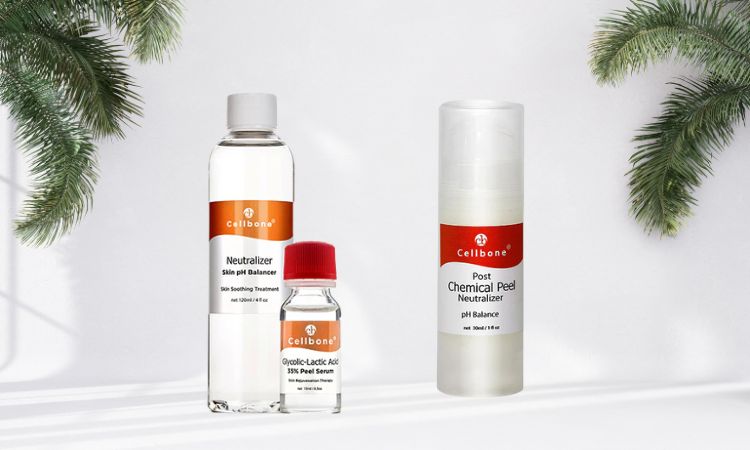

If your skin has been looking dull, uneven, or just not as smooth as it used to, you’ve probably considered some kind of exfoliating treatment. With social media packed full of before-and-after results, it’s easy to feel tempted. A skin peel serum can absolutely improve texture and brightness but only if you understand how it works and whether it’s right for your skin type. Chemical exfoliation isn’t the same as using a scrub, and it’s definitely not something you want to apply blindly.
In this guide, we’ll break down what peel serums actually do, who benefits most, how to use one safely, and what dermatologists wish people knew before starting.
What Exactly Is a Skin Peel Serum?
A skin peel serum is a concentrated exfoliating treatment that uses chemical exfoliants, most commonly alpha hydroxy acids (AHAs), beta hydroxy acids (BHAs), or polyhydroxy acids (PHAs) to remove dead skin cells and promote cell turnover.
Unlike physical scrubs that manually buff the surface, chemical exfoliants dissolve the bonds between dead skin cells. This process, known in dermatology as desquamation, allows newer, healthier cells to surface more quickly.
The result?
- Brighter tone
- Smoother texture
- Reduced congestion
Peel serums are often formulated for at-home use, but they mimic the controlled exfoliation you’d receive during a professional chemical peel just at lower concentrations.
How Do Chemical Exfoliants Work on the Skin?
To understand whether a peel serum makes sense for you, it helps to understand how different acids function.
AHAs (Glycolic Acid, Lactic Acid)
AHAs are water-soluble and primarily work on the skin’s surface. They’re ideal for improving hyperpigmentation, fine lines, and uneven tone.
BHAs (Salicylic Acid)
BHAs are oil-soluble, meaning they penetrate into pores. They’re particularly helpful for acne-prone or congested skin.
PHAs
These are gentler exfoliants that provide mild resurfacing with added hydration benefits, making them suitable for sensitive skin types.
Each type supports epidermal turnover, which contributes to a smoother and more refined appearance over time.
Who Should Consider Using a Peel Serum?
A skin peel serum can benefit several skin concerns, but it’s not one-size-fits-all.
It’s typically helpful if you struggle with:
- Uneven skin texture
- Mild acne or blackheads
- Post-inflammatory hyperpigmentation
- Early signs of aging
- Dull or rough-looking skin
What Happens After You Start Using One?
When used correctly, you may notice smoother skin within a week. Over time, you might see improved radiance and reduced breakouts. But here’s where many people go wrong – they overuse it.
Over-exfoliation can lead to:
- Barrier damage
- Increased transepidermal water loss (TEWL)
- Sensitivity
- Redness or flaking
Healthy exfoliation supports the skin barrier. Excessive exfoliation compromises it.
How to Use a Skin Peel Serum Safely
Start slow. Even if your skin feels resilient, introduce the product once a week. Apply it at night after cleansing and allow it to absorb fully before layering additional products.
Follow with a hydrating serum or moisturizer to minimize irritation. Avoid combining peel serums with retinoids or strong vitamin C formulations on the same night.
And sunscreen is non-negotiable. Chemical exfoliation increases photosensitivity, so daily broad-spectrum SPF 30 or higher is essential.
How a Peel Serum Supports Long-Term Skin Health
Consistent exfoliation encourages collagen production and supports more efficient cellular turnover. This is why dermatologists often recommend mild chemical exfoliation as part of anti-aging routines.
Over time, you may notice your skin looks more even and feels softer. It also tends to absorb hydrating and reparative ingredients better, making it an effective companion to targeted treatments designed to be skin rejuvenating.
That synergy is key. Exfoliation clears the path, while nourishing ingredients support repair and renewal.
Common Mistakes to Avoid
One of the biggest misconceptions is that more frequent use equals faster results. In reality, skin renewal takes time. Overdoing it won’t accelerate collagen production – it will only compromise your barrier.
Another mistake is layering too many active ingredients. Retinoids, benzoyl peroxide, and high-concentration vitamin C already stress the skin. Pairing them with strong acids can cause unnecessary inflammation.
If irritation occurs, pause use and focus on barrier repair until your skin stabilizes.
FAQs
How often should I use a skin peel serum?
Most people benefit from once or twice weekly use. Beginners should start with once weekly.
Will it cause peeling?
Mild flaking can occur, but intense peeling is not typical with at-home formulas.
Does it help with acne scars?
It can improve post-inflammatory hyperpigmentation and mild textural scarring over time.
Can I use it in summer?
Yes, but daily sunscreen is essential to prevent sun damage.
How long before I see results?
Texture improvements may appear within 1–2 weeks; pigmentation improvements can take several weeks.