

In today’s rapidly evolving business landscape, ESG implementation has become more than a compliance requirement—it is a strategic necessity. Organizations across industries are embedding Environmental, Social, and Governance (ESG) principles into their core operations to drive long-term value, strengthen stakeholder trust, and remain competitive in a sustainability-focused world.
From investors and regulators to customers and employees, stakeholders now expect businesses to demonstrate measurable progress in sustainability and ethical governance. Effective ESG implementation helps organizations respond to these expectations while unlocking new growth opportunities.
What is ESG Implementation?
ESG implementation refers to the structured process of integrating environmental, social, and governance principles into a company’s strategy, operations, and reporting systems. It involves identifying material ESG factors, setting measurable goals, implementing policies, tracking performance, and communicating results transparently.
Companies often align their ESG initiatives with global frameworks such as:
-
United Nations Global Compact
-
Global Reporting Initiative
-
Sustainability Accounting Standards Board
These frameworks provide structured guidelines for measuring and reporting ESG performance.
Why ESG Implementation Matters
1. Enhanced Investor Confidence
Investors increasingly prioritize companies with strong ESG performance. Transparent ESG implementation demonstrates risk management, resilience, and long-term viability.
2. Regulatory Compliance
Governments worldwide are introducing stricter sustainability disclosure requirements. Proactive ESG integration helps companies stay ahead of evolving regulations.
3. Improved Brand Reputation
Consumers are more likely to support companies committed to ethical sourcing, diversity, and environmental responsibility.
4. Operational Efficiency
Environmental initiatives such as energy optimization and waste reduction often reduce operational costs while lowering carbon footprints.
Key Pillars of ESG Implementation
🌱 Environmental


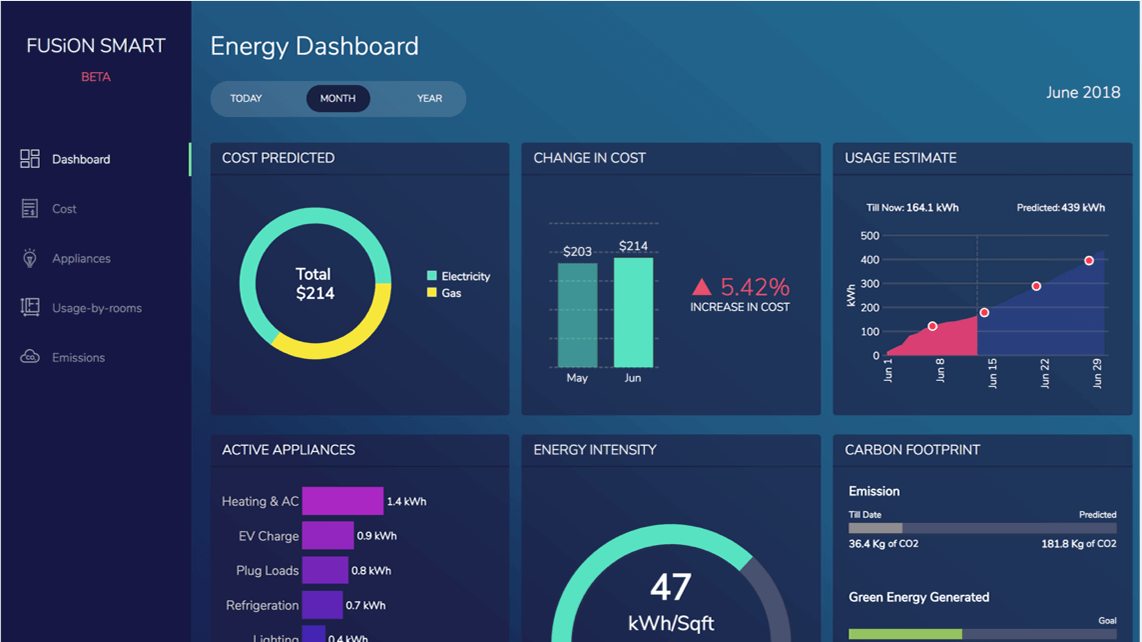
Focuses on reducing environmental impact through:
-
Carbon emission reduction
-
Renewable energy adoption
-
Waste management improvements
-
Sustainable supply chain practices
🤝 Social



Emphasizes:
-
Employee well-being and diversity
-
Community engagement
-
Human rights compliance
-
Workplace safety
🏛 Governance



Involves:
-
Ethical leadership
-
Board diversity and independence
-
Transparent reporting
-
Risk management and internal controls
Step-by-Step ESG Implementation Framework
1. Conduct a Materiality Assessment
Identify ESG issues most relevant to your industry and stakeholders.
2. Set Clear ESG Goals
Define measurable KPIs such as carbon neutrality targets, diversity ratios, or governance benchmarks.
3. Develop ESG Policies
Establish formal policies covering sustainability, ethics, anti-corruption, and human rights.
4. Integrate ESG into Operations
Embed ESG metrics into procurement, HR, finance, and supply chain functions.
5. Monitor and Report Progress
Track performance using standardized reporting frameworks and publish annual sustainability reports.
Challenges in ESG Implementation
While ESG implementation offers significant benefits, organizations may face challenges such as:
-
Limited internal expertise
-
Data collection complexities
-
Changing regulatory landscapes
-
Resistance to organizational change
Partnering with experienced ESG advisory firms can help navigate these challenges efficiently.
The Future of ESG Implementation
As global sustainability expectations intensify, ESG implementation will increasingly influence corporate valuations, investor decisions, and regulatory scrutiny. Companies that embed ESG into their corporate DNA today will be better positioned to thrive tomorrow.
Businesses that treat ESG as a strategic growth driver—not just a reporting requirement—gain competitive advantages, operational resilience, and stronger stakeholder relationships.
Conclusion
ESG implementation is no longer optional—it is a critical pillar of modern corporate strategy. By systematically integrating environmental stewardship, social responsibility, and strong governance practices, organizations can drive sustainable growth, mitigate risks, and enhance long-term value creation.
ESG implementation is a strategic approach that helps organizations integrate environmental, social, and governance principles into their core business operations. Companies today recognize that sustainable practices are not just ethical responsibilities but also key drivers of long-term growth and resilience. Effective ESG implementation begins with assessing material risks and opportunities, followed by setting measurable sustainability goals such as reducing carbon emissions, improving workforce diversity, and strengthening corporate governance frameworks.
Environmental initiatives may include energy efficiency programs and waste reduction strategies. Social efforts focus on employee well-being, community engagement, and human rights compliance. Governance ensures transparency, ethical leadership, and strong internal controls. By embedding ESG metrics into daily operations and decision-making processes, businesses can enhance investor confidence, improve brand reputation, and maintain regulatory compliance.
Ultimately, ESG implementation supports sustainable value creation. Organizations that proactively adopt ESG strategies are better positioned to manage risks, attract responsible investors, and build trust with stakeholders in an increasingly sustainability-focused global marketplace.