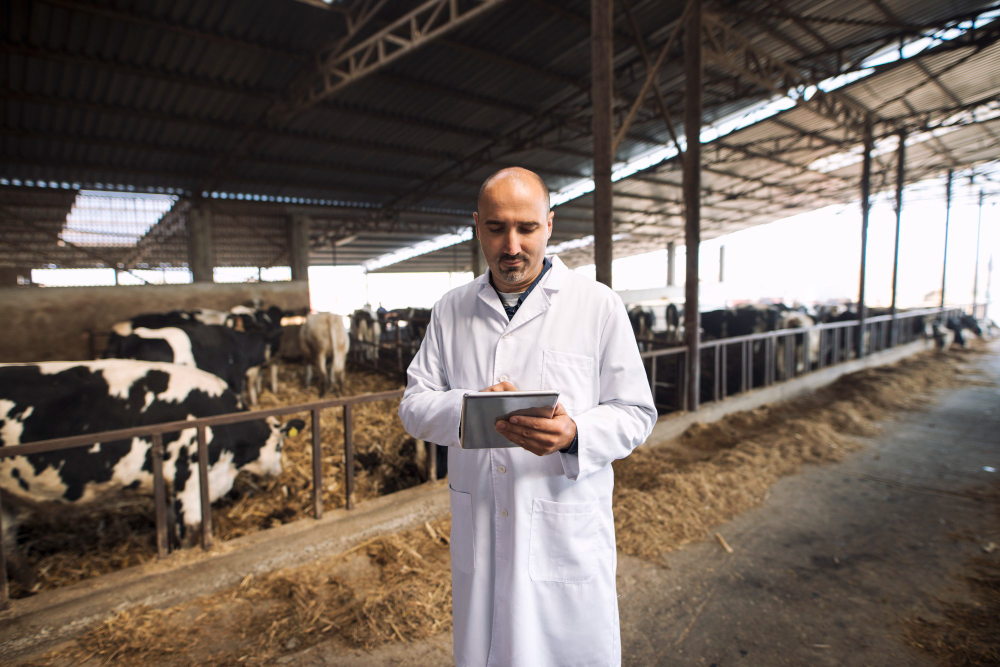

The dairy industry operates in a highly complex and time-sensitive environment. From milk procurement and quality testing to processing, cold storage, and distribution, every stage demands accuracy, traceability, and efficiency. Traditional systems and manual processes often fail to meet these demands, leading to wastage, compliance risks, and operational inefficiencies.
This is where ERP for the dairy industry plays a crucial role. A dairy-specific ERP system integrates all business functions into a single platform, enabling dairy businesses to manage operations seamlessly, reduce costs, and improve profitability. In this blog, we explore the key ERP features every dairy business needs to stay competitive in today’s digital-first market.
What Is ERP for the Dairy Industry?
ERP (Enterprise Resource Planning) for the dairy industry is a specialized software solution designed to manage end-to-end dairy operations. Unlike generic ERP systems, dairy ERP software is built to handle industry-specific challenges such as milk perishability, quality control, batch tracking, regulatory compliance, and cold-chain logistics.
A dairy ERP system connects procurement, production, inventory, sales, finance, and compliance in real time—providing complete visibility and control across the dairy value chain.
Why Dairy Businesses Need ERP Software
The modern dairy sector faces multiple challenges:
-
Fluctuating milk supply and pricing
-
Strict food safety and regulatory compliance
-
Short shelf life of dairy products
-
High operational and logistics costs
-
Growing customer demand for traceability
An ERP system addresses these challenges by automating processes, minimizing human error, and enabling data-driven decision-making.
Key ERP Features Every Dairy Business Needs
1. Milk Procurement and Collection Management
Milk procurement is the backbone of any dairy operation. A robust dairy ERP should support:
-
Farmer and supplier management
-
Automated milk collection records
-
Fat, SNF, and quality parameter tracking
-
Price calculation based on milk quality
-
Payment and settlement management
This feature ensures transparency between dairy businesses and farmers while improving trust and accuracy in procurement operations.
2. Quality Control and Testing Management
Maintaining milk quality is critical for consumer safety and brand reputation. Dairy ERP systems offer integrated quality control features such as:
-
Automated quality testing records
-
Batch-wise quality tracking
-
Rejection and penalty management
-
Compliance with food safety standards (FSSAI, ISO, HACCP)
By digitizing quality checks, dairy businesses can reduce contamination risks and ensure consistent product quality.
3. Production and Processing Management
Dairy production involves multiple processes like pasteurization, homogenization, fermentation, and packaging. ERP for dairy manufacturing helps by:
-
Managing production planning and scheduling
-
Tracking batch and lot numbers
-
Monitoring yield, losses, and wastage
-
Automating BOM (Bill of Materials) for dairy products
This ensures optimal utilization of raw materials and improves overall production efficiency.
4. Inventory and Cold Storage Management
Effective inventory management is crucial due to the perishable nature of dairy products. A dairy ERP system enables:
-
Real-time inventory tracking
-
Expiry date and shelf-life monitoring
-
Cold storage and temperature tracking
-
FIFO/FEFO inventory management
These features help minimize spoilage, reduce losses, and maintain product freshness across the supply chain.
5. Sales and Distribution Management
Dairy products require fast and accurate distribution. ERP software supports:
-
Order management and invoicing
-
Route planning and delivery tracking
-
Distributor and retailer management
-
Integration with own fleet or third-party logistics
With ERP-driven distribution, dairy businesses can ensure on-time deliveries and improve customer satisfaction.
6. Compliance and Traceability
Regulatory compliance is non-negotiable in the dairy industry. ERP systems provide:
-
End-to-end traceability from farm to consumer
-
Automated compliance reporting
-
Batch recall management
-
Audit-ready documentation
This feature is especially important for export-oriented dairy businesses and those operating in regulated markets.
7. Financial Management and Cost Control
Dairy ERP solutions integrate accounting and finance modules to provide:
-
Automated bookkeeping and taxation
-
Cost analysis for procurement, production, and logistics
-
Profitability analysis by product or region
-
Real-time financial reporting
This helps dairy owners maintain tight control over margins and make informed financial decisions.
8. Demand Forecasting and Analytics
Data-driven insights are essential for scaling dairy operations. ERP systems offer advanced analytics such as:
-
Demand forecasting based on historical data
-
Production planning insights
-
Sales performance analysis
-
Real-time dashboards and KPIs
With predictive analytics, dairy businesses can reduce overproduction and align supply with market demand.
9. CRM and Customer Management
Managing relationships with distributors, retailers, and end customers is vital for growth. Dairy ERP includes CRM features like:
-
Customer segmentation
-
Sales history tracking
-
Complaint and feedback management
-
Loyalty and pricing management
This ensures stronger customer relationships and repeat business.
10. Scalability and Integration Capabilities
As dairy businesses grow, their ERP system should scale effortlessly. Key scalability features include:
-
Multi-location and multi-plant management
-
Integration with IoT devices (milk analyzers, sensors)
-
Mobile and cloud accessibility
-
Customizable workflows and reports
A scalable ERP ensures long-term digital transformation without frequent system changes.
Benefits of Implementing ERP for Dairy Industry
Implementing a dairy ERP system delivers measurable business benefits, including:
-
Improved operational efficiency
-
Reduced milk wastage and spoilage
-
Enhanced product quality and compliance
-
Better financial control and profitability
-
Increased transparency across operations
These advantages help dairy businesses remain competitive in both domestic and global markets.
Choosing the Right ERP for Your Dairy Business
When selecting an ERP solution, dairy businesses should consider:
-
Industry-specific functionality
-
Customization and scalability
-
Cloud vs on-premise deployment
-
Implementation partner expertise
-
Post-implementation support
Choosing a dairy-focused ERP provider ensures smoother implementation and faster ROI.
Conclusion
The dairy industry’s complexity demands a technology-driven approach to operations management. ERP for the dairy industry is no longer a luxury; it is a necessity for businesses aiming to improve efficiency, ensure compliance, and scale sustainably.
By investing in an ERP system with the right features, milk procurement, quality control, production management, inventory tracking, compliance, and analytics—dairy businesses can streamline operations, reduce costs, and gain a competitive edge in the market.
Also Read: How to Choose the Best ERP for the Dairy Industry