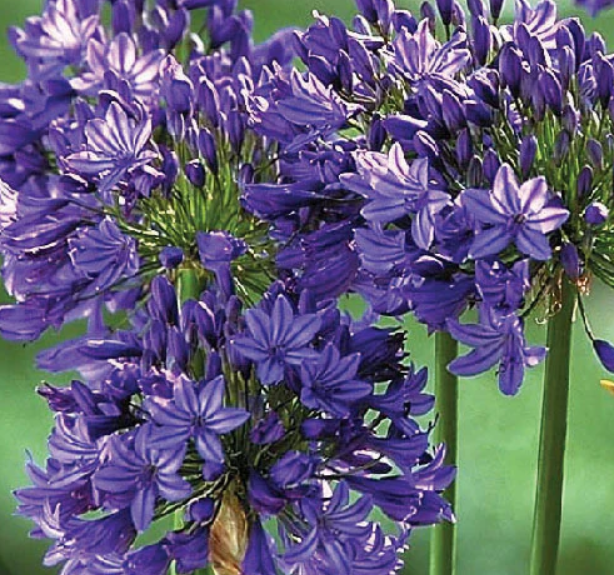

Gardeners across Australia value plants that combine resilience with striking seasonal displays. Agapanthus plants continue to be a preferred option for achieving both structure and vibrant colour in outdoor spaces. Recognised for their rounded clusters of trumpet-shaped flowers and lush strap-like foliage, these hardy perennials deliver reliable blooms from late spring through summer. Their bold flower heads rise above neat mounds of greenery, creating an architectural feature that suits contemporary and traditional garden styles alike.
Beyond their visual charm, they are appreciated for their adaptability. Once established, they tolerate dry conditions, coastal breezes, and a range of soil types. This versatility makes them ideal for residential landscapes, public gardens, and low-maintenance commercial plantings.
Growth Habit and Seasonal Interest
These perennials grow from fleshy root systems that gradually form dense clumps. Over time, each clump becomes fuller and produces more flowering stems, enhancing its visual impact. Depending on the variety, plants can range from compact dwarf forms to taller selections reaching over a metre in height when in bloom.
Evergreen types maintain their foliage throughout the year, providing consistent structure in garden beds. Deciduous varieties die back in cooler months and re-emerge in spring, offering seasonal variation and fresh new growth. Both forms are valued for their tidy appearance and long-lasting performance.
Ideal Growing Conditions for Success
To achieve abundant flowering and healthy growth, attention to planting conditions is important.
Sunlight Requirements
Full sun encourages the strongest bloom production. While these perennials can tolerate partial shade, insufficient sunlight may reduce flowering.
Soil Preferences
Well-drained soil is essential to prevent root rot. Improving heavy soils with compost enhances drainage and supports vigorous root development.
Watering Needs
During the first growing season, consistent watering helps establish a strong root system. Once mature, plants are relatively drought tolerant and require only occasional watering during extended dry periods.
Feeding Schedule
Applying a balanced slow-release fertiliser in early spring promotes lush foliage and sturdy flower stems.
Compact Varieties for Smaller Spaces
For gardeners working with courtyards, patios, or narrow borders, dwarf varieties offer a practical solution. One standout selection is agapanthus baby blue, admired for its soft sky-blue blooms and compact growth habit. Its shorter height makes it ideal for edging pathways or planting in decorative containers where space is limited.
This variety blends beautifully with neutral landscaping elements such as stone pathways or rendered walls, providing a gentle yet noticeable burst of colour. Grouping several plants together creates a cohesive ribbon of blooms that enhances the overall design without overpowering surrounding greenery.
Creative Landscaping Applications
These versatile flowering perennials can be incorporated into various design themes:
Pathway Borders
Plant along walkways to create clean lines and guide the eye through the garden.
Mass Plantings
Large groupings provide dramatic summer colour and are particularly effective in expansive landscapes.
Container Gardening
Dwarf forms thrive in pots, making them suitable for balconies and patios.
Coastal Gardens
Their tolerance for mild salt exposure and wind makes them well suited for seaside properties.
Mixed Garden Beds
Combine with ornamental grasses, salvias, or low-growing shrubs for layered texture and extended seasonal interest.
Their structured foliage also complements modern landscaping styles that favour symmetry and minimalism.
Low-Maintenance Care and Longevity
One of the most appealing aspects of these perennials is their minimal upkeep. Removing spent flower stems helps maintain a tidy appearance and encourages the plant to focus energy on root development. Dividing overcrowded clumps every few years revitalises growth and enhances flowering performance.
Pest and disease issues are generally uncommon, adding to their reputation as an easy-care garden solution. With basic attention to watering and occasional feeding, they continue to thrive and bloom consistently year after year.
Supporting Sustainable Gardening
Incorporating hardy flowering perennials into your landscape supports environmentally conscious gardening practices. Their drought tolerance aligns with water-wise design principles, particularly important in many Australian regions. Additionally, their nectar-rich blooms attract bees and other pollinators, contributing to local biodiversity and creating a healthier garden ecosystem.
Choosing Quality Plants Makes a Difference
Starting with well-grown, healthy specimens significantly improves long-term success. Strong root systems ensure quicker establishment and more reliable flowering. Online Plants offers a carefully curated selection suited to Australian conditions, helping gardeners find dependable varieties for a wide range of landscape styles.
A Lasting Investment in Garden Beauty
From compact courtyard features to sweeping border displays, these resilient perennials deliver dependable structure and seasonal colour. Their adaptability, low maintenance requirements, and elegant blooms make them a valuable addition to any outdoor space. By incorporating agapanthus plants into your landscape design, you can enjoy years of reliable flowering and timeless garden appeal without demanding constant care.