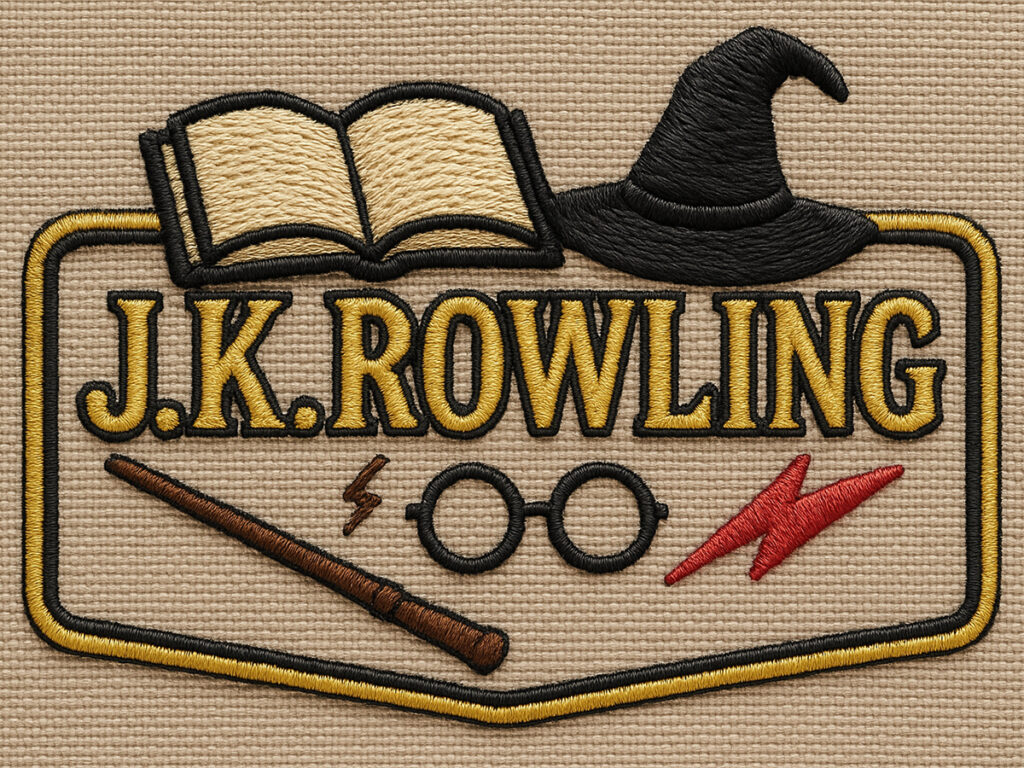

Embroidery has long been associated with tradition, skill, and artistry. From hand-sewn garments centuries ago to today’s machine-driven production, its value as a decorative and identity-driven craft has never diminished. What has changed is the way embroidery is produced. Thanks to technology, embroidery digitizing, vector art, and custom patches have become the cornerstones of modern embroidery, turning ideas into professional embroidered products.
These three services are interconnected, each contributing to a process that makes embroidery faster, more precise, and more versatile than ever before.
Embroidery Digitizing: The Technical Core
At the heart of machine embroidery lies embroidery digitizing. This process converts an image, sketch, or logo into a stitch-ready file. Unlike a standard picture, digitized files contain detailed instructions that tell the machine exactly how to reproduce the design—stitch direction, type, density, and sequence.
Without digitizing, an embroidery machine cannot stitch a design. And without professional digitizing, the final result can appear sloppy, with blurred text, broken threads, or uneven shapes. Skilled digitizers know how to adapt artwork to different fabrics and sizes, ensuring accuracy across uniforms, caps, jackets, or accessories.
Digitizing is more than a technical step—it is the blueprint that makes embroidery consistent, sharp, and reliable. For businesses, this means logos are always reproduced with professionalism. For sports teams, it guarantees emblems that hold detail and pride. For personal projects, digitizing allows creative sketches to be transformed into tangible embroidered keepsakes.
Vector Art: The Foundation of Clean Designs
Before digitizing can happen, designs often need preparation. Many clients submit artwork in low-resolution formats like JPEG or PNG, which blur when resized. Vector art solves this by creating clean, scalable graphics using mathematical paths instead of pixels.
Vector art is critical for embroidery because designs may need to be stitched at multiple sizes. A logo stitched as a small emblem on a cap must remain just as clear when enlarged into a back patch. Vector graphics ensure that designs are sharp and accurate no matter the size.
Vector conversion also allows designers to refine outlines, adjust colors, and simplify details for embroidery efficiency. Without vector art, digitizing becomes less precise. With it, designs are embroidery-ready and professional.
This stage is especially important for complex logos or detailed images. By simplifying and cleaning up the design, vector art ensures that the embroidery machine doesn’t struggle with unnecessary elements, keeping the final patch or garment looking sharp.
Custom Patches: Flexible and Timeless
After vector art and digitizing, designs are often transformed into custom patches. Patches have stood the test of time because of their flexibility, durability, and widespread appeal.
Unlike direct embroidery, which is stitched onto a single garment, patches can be produced in bulk and later applied to multiple items. They can be sewn, ironed on, or attached with Velcro, making them adaptable for many uses.
Custom patches also come in different types: embroidered patches for texture, woven patches for detail, PVC patches for bold durability, and sublimated patches for vibrant, colorful designs.
Their usage is equally diverse. Businesses use patches on uniforms and merchandise to enhance branding. Sports teams rely on them for logos that unite players and supporters. Fashion designers use them to add individuality and flair to jackets, bags, and accessories. Even individuals use custom patches for hobbies, collections, or personal expression.
Custom patches are not just functional; they are symbols of pride, identity, and creativity.
The Seamless Connection
Embroidery digitizing, vector art, and custom patches form a complete system. A design begins as an idea, is converted into vector format for clarity, then digitized into stitches, and finally produced as a patch. Each stage supports the next, ensuring the final result is sharp, professional, and adaptable.
For example, a company might begin with a rough sketch of a logo. The artwork is vectorized for clarity, digitized for precision, and finally stitched into patches that staff can wear proudly on uniforms. Similarly, a sports team can turn its emblem into patches for jerseys, caps, and fan merchandise—all with consistent quality thanks to the process.
Conclusion
The blend of embroidery digitizing, vector art, and custom patches represents the perfect partnership between technology and creativity. Digitizing ensures stitch precision, vector art guarantees clarity, and patches provide flexibility.
For businesses, this combination builds brand recognition. For sports teams, it strengthens unity. For fashion brands, it drives innovation. For individuals, it offers personalization that lasts.
At DigitEMB, every stage of this process is handled with expertise, ensuring that each design is transformed into an embroidered product that makes lasting impressions.
Embroidery is timeless, but with digitizing, vector art, and custom patches, it has become more powerful than ever. In today’s competitive world, your designs deserve to stand out—and with these services, they will.