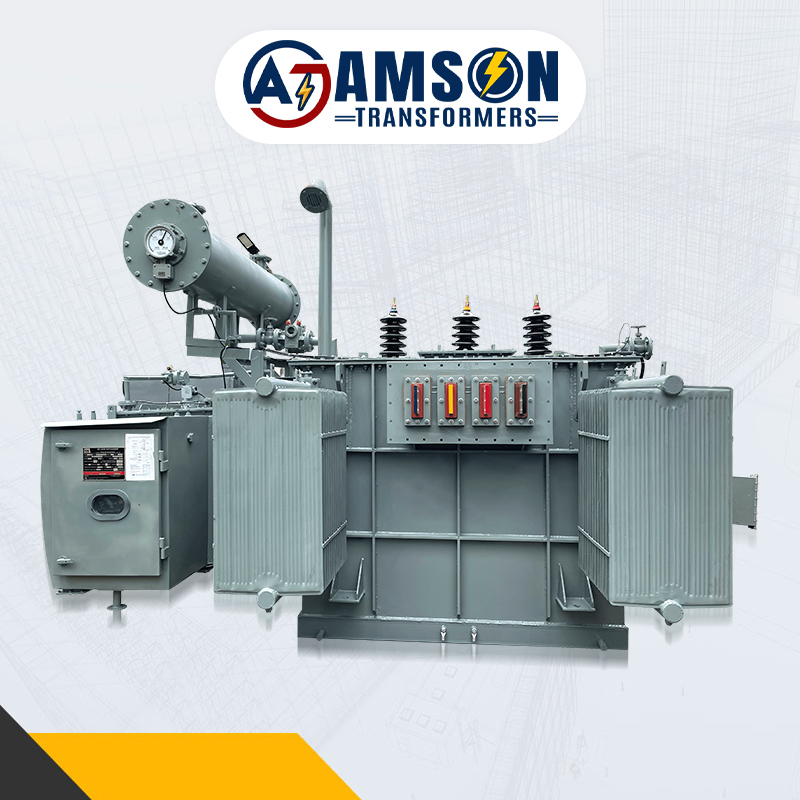

Electrical transformers are devices that make sure electricity reaches your machines, homes, or factories safely and efficiently. They adjust the voltage so equipment works without damage, protect against sudden power spikes, and help energy flow smoothly. Picking the right transformer is important because using the wrong one can lead to breakdowns, delays, or safety issues. In this article, we’ll go through the main types of transformers, how they work, and easy tips to choose the right one for your needs.
What Are Electrical Transformers
Electrical transformers are devices that control and adjust electricity so your machines and equipment get the right power. They can increase voltage when electricity needs to travel long distances, reduce voltage before it reaches your devices, and keep the power stable to avoid damage. In everyday use, transformers make sure machines, factories, and homes get the correct voltage, protect equipment from sudden spikes, and help electricity flow efficiently without wasting energy. They are important for safe and smooth operations.
- Increase voltage when needed: When electricity has to travel long distances, it can lose strength. Transformers raise the voltage so it reaches your site efficiently without losing power along the way.
- Reduce it before it reaches the equipment: High voltage can damage machines and devices. Transformers lower the voltage to a safe level before it reaches your equipment, keeping everything protected.
- Keep the power stable: Transformers regulate fluctuations in electricity, so the supply is steady. This prevents damage from sudden spikes or drops and ensures your machines run smoothly.
They make sure your machines get the right supply.
How They Work
You don’t need to get into complicated theory to understand transformers. The basic idea is simple:
- Power comes in: Electricity from the grid enters the transformer.
- It passes through the transformer: Inside, the transformer adjusts the voltage using a magnetic setup.
- Voltage changes: Depending on the type, the transformer either increases or decreases the voltage to the level needed for your equipment.
- Power goes out: The electricity leaves the transformer safe, stable, and ready to use.
Inside the transformer, there’s no direct electrical connection between input and output. Everything works through magnets and coils, quietly adjusting the electricity. You won’t see anything moving, but this process happens constantly, keeping machines, factories, and homes powered safely and efficiently. Electrical transformers are the silent workers that make sure electricity reaches the right place in the right way, every time.
Types of Electrical Transformers
This is where people usually get confused. Common types:
- Power Transformers: Used in factories and power plants to handle heavy electricity safely and reliably.
- Distribution Transformers: Bring high voltage down to a safe level for homes, workshops, and small industries.
- Step-Up Transformers: Raise the voltage so electricity can travel long distances without losing power.
- Step-Down Transformers: Reduce voltage to safe levels for machines, equipment, and everyday use.
- Isolation Transformers: Protects equipment from sudden spikes, surges, or electrical faults.
Where They Are Used
You’ll find them almost everywhere. Common places:
- Factories
- Workshops
- Buildings
- Power systems
Why they matter:
- Keep voltage in control
- Protect machines
- Avoid sudden issues
Without Electrical Transformers, most systems won’t run properly for long.
How to Choose the Right Electrical Transformers
- Check Your Load: Know how much electricity your setup actually needs. Guessing can cause problems.
- Match the Voltage: Make sure the input and output voltage are right for your machines.
- Think About Usage: Industrial setups need stronger transformers; small setups or homes need lighter ones.
- Look at Build Quality: Strong and well-made transformers last longer and work reliably.
- Consider Cooling: Transformers that run for long hours need proper cooling to avoid overheating.
The right transformer keeps your equipment safe and work smooth. The wrong one causes constant problems and delays.
What You Actually Get
When you use a good electrical transformer, the benefits are clear and practical:
- Stable power: Your machines get a consistent electricity supply, so they run without sudden drops or spikes.
- Less damage: Transformers protect your equipment from electrical surges, preventing wear and tear or costly repairs.
- Smooth working: Machines operate efficiently and reliably because the voltage is just right, keeping your workflow uninterrupted.
- Fewer breakdowns: With the right transformer, unexpected downtime is reduced, meaning less stress and more productivity.
In short, good electrical transformers don’t just deliver electricity; they make your operations safer, smoother, and more reliable every day.
Common Mistakes People Make
This is where things go wrong.
Avoid this:
- Wrong capacity
- Cheap quality
- Not checking the requirement
- Poor setup
Result:
- Breakdowns
- Machine damage
- Extra cost
Even good Electrical Transformers won’t help if the basics are ignored.
Conclusion
Choosing the right electrical transformers is important for smooth and safe operations. Knowing the types, matching voltage, checking your load, and focusing on build quality and cooling keep your equipment running reliably. With Amson Transformers, you get products that last longer, work efficiently, and reduce daily hassles. A good transformer makes your work easier, prevents unexpected problems, and ensures your setup stays safe and productive every day.
FAQs
Q. What is an electrical transformer?
Ans. An electric transformer is a device that changes electricity to the right voltage for use.
Q. Why do we need transformers?
Ans. We need transformers because they keep machines safe and electricity working smoothly.
Q. Difference between a step-up and a step-down?
Ans. Step-up increases voltage; step-down lowers it for safety.
Q. What is a distribution transformer?
Ans. A distribution transformer is used to deliver safe electricity to homes and small businesses.