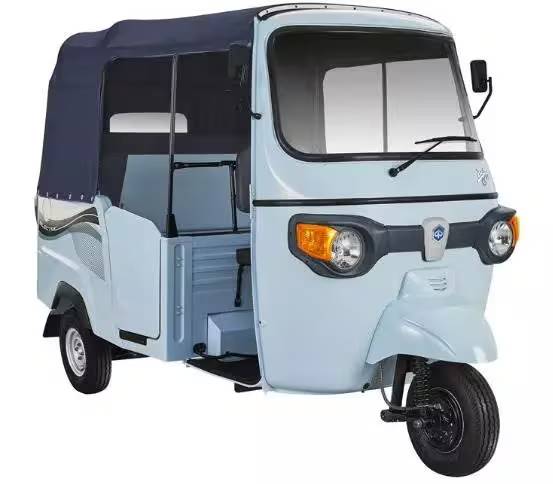

Urban transportation is undergoing a major transformation, and at the center of this change is the electric auto rickshaw. As cities struggle with air pollution, rising fuel costs, and congestion, electric mobility has emerged as a practical and sustainable solution. Among various electric vehicles, the electric passenger auto stands out for its affordability, efficiency, and suitability for short-distance travel. This blog explores how electric autos are reshaping daily commuting, supporting livelihoods, and contributing to a greener future.
What Is an Electric Auto?
An electric auto is a three-wheeled vehicle powered entirely by electricity instead of petrol, diesel, or CNG. It uses rechargeable batteries, typically lithium-ion or lead-acid, and an electric motor to operate. The most popular variant is the electric auto, widely used for passenger transport and last-mile connectivity in urban and semi-urban areas.
Unlike conventional autos, electric autos produce zero tailpipe emissions, making them environmentally friendly and cost-effective in the long run.
Growing Demand for Electric Auto Rickshaw in India – City Life EV
The demand for electric auto rickshaw vehicles has grown rapidly in recent years, especially in countries like India where autos are a backbone of public transport. Government initiatives such as FAME (Faster Adoption and Manufacturing of Electric Vehicles), state subsidies, and relaxed registration norms have encouraged drivers and fleet owners to switch to electric options.
In addition, rising fuel prices have made electric auto financially attractive. Charging an electric auto costs significantly less than filling a fuel tank, allowing drivers to save more from their daily earnings.
Benefits of Electric Passenger Auto
The electric passenger auto offers multiple advantages for drivers, passengers, and cities alike:
-
Lower Operating Costs
Electric autos have fewer moving parts compared to internal combustion vehicles. This results in reduced maintenance costs and lower daily running expenses. Electricity is also cheaper than fossil fuels, improving profit margins for drivers. -
Environmentally Friendly
With zero exhaust emissions, electric loading auto help reduce air pollution and carbon footprint. This is especially important in densely populated cities where air quality is a growing concern. -
Quiet and Comfortable Ride
Electric autos operate quietly, reducing noise pollution. Passengers enjoy a smoother and more comfortable ride compared to traditional autos. -
Easy Charging and Maintenance
Charging infrastructure is improving rapidly, with options for home charging and public charging stations. Maintenance is simpler due to the absence of engine oil, clutch, or gearbox.
Role of Electric Autos in Last-Mile Connectivity – Citylifeev
One of the strongest use cases for electric auto rickshaw vehicles is last-mile connectivity. They efficiently bridge the gap between metro stations, bus stops, and residential or commercial areas. Their compact size allows them to navigate narrow streets where larger vehicles cannot operate.
For short-distance travel, electric auto in India are ideal as they are economical, accessible, and widely available. This makes them a critical part of smart city transportation plans.
Impact on Employment and Livelihoods
The electric auto revolution is also creating new economic opportunities. Many drivers are shifting from fuel-based autos to electric models due to lower upfront and operational costs. Financing options, leasing models, and government incentives have made ownership easier.
Additionally, the growth of electric vehicles has led to new jobs in manufacturing, battery production, charging infrastructure, and servicing. Thus, electric autos are not only improving mobility but also supporting livelihoods.
Challenges Facing Electric Auto Rickshaw Adoption
Despite the benefits, there are some challenges to widespread adoption:
-
Charging Infrastructure: While improving, charging stations are still limited in some regions.
-
Battery Life and Replacement Cost: Battery replacement can be expensive, though prices are gradually decreasing.
-
Awareness and Training: Some drivers need training to understand battery management and charging practices.
However, technological advancements and supportive policies are steadily addressing these issues.
Future of Electric Passenger Auto
The future of the electric passenger auto looks promising. With advancements in battery technology, range and charging time are improving. Manufacturers are focusing on better design, safety features, and higher load capacity. Governments are also pushing for 100% electric auto public transport in the coming decades.
As consumers become more environmentally conscious and cities aim for sustainable development, electric auto rickshaws are expected to become the norm rather than the exception.
Conclusion
The electric auto rickshaw is more than just a vehicle—it is a symbol of sustainable urban mobility. By offering an eco-friendly, cost-effective, and efficient mode of transport, electric autos are transforming how people commute daily. The electric passenger auto plays a crucial role in reducing pollution, supporting drivers’ incomes, and improving last-mile connectivity.
As technology evolves and infrastructure expands, electric autos will continue to drive the transition toward cleaner and smarter cities. Investing in and adopting electric autos today is a step toward a healthier environment and a more sustainable future.