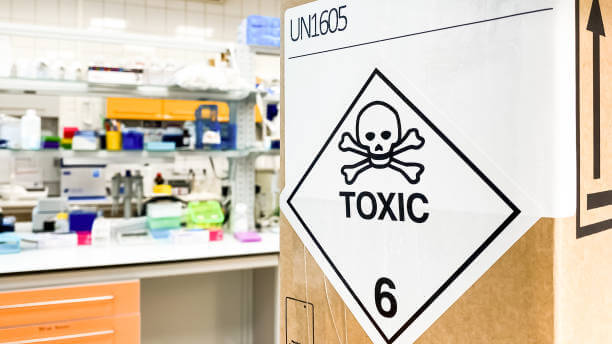

When placing hazardous chemical mixtures on the market, businesses must meet strict regulatory requirements to protect human health. One of the most important obligations under chemical regulations is ECHA poison centre notification. In addition, companies selling products in Great Britain must also comply with UK poison centre notification requirements.
These notifications ensure that medical professionals and poison centres have access to critical information in case of accidental exposure to hazardous substances. For manufacturers, importers, and distributors, understanding and complying with these requirements is essential for legal market access.
This guide explains what ECHA poison centre notification is, how it works, and how businesses can meet both EU and UK notification requirements.
What is ECHA Poison Centre Notification?
ECHA poison centre notification (PCN) is a requirement under the EU CLP Regulation (Classification, Labelling and Packaging). It applies to companies placing hazardous mixtures on the EU market.
Businesses must submit detailed information about their products to poison centres through the ECHA submission portal. This information helps medical professionals respond effectively in cases of poisoning or accidental exposure.
The notification must be completed before the product is placed on the market.
What is UK Poison Centre Notification?
Following Brexit, the UK established its own system for poison centre notifications under GB CLP regulations.
The UK poison centre notification process requires businesses to submit relevant product information to the UK authorities to ensure emergency responders have access to safety data.
Although similar to the EU system, the UK has its own regulatory framework and submission requirements, making it important for businesses to comply with both systems when selling in both regions.
Why Poison Centre Notification is Important
Both ECHA poison centre notification and UK poison centre notification are critical for protecting public health and ensuring regulatory compliance.
Emergency Response Support
Poison centres rely on submitted data to provide immediate medical advice during emergencies.
Legal Compliance
Failure to submit notifications can result in penalties and restrictions on selling products.
Consumer Safety
Accurate product information ensures proper treatment in case of accidental exposure.
Market Access
Businesses cannot legally place hazardous mixtures on the EU or UK market without completing the required notifications.
Who Needs to Submit Poison Centre Notifications?
The notification requirements apply to:
- Manufacturers of hazardous mixtures
- Importers placing products on the market
- Distributors rebranding products
- Companies selling cleaning products, paints, chemicals, or other hazardous mixtures
If your product is classified as hazardous under CLP regulations, you are likely required to complete both ECHA poison centre notification and UK poison centre notification, depending on your target market.
Key Requirements for ECHA Poison Centre Notification
To complete an ECHA poison centre notification, businesses must provide detailed product information.
Required Information Includes:
- Product name and identifiers
- Hazard classification
- Chemical composition
- Toxicological data
- Packaging details
- Intended use of the product
All information must be submitted in a harmonised format through the ECHA portal.
Unique Formula Identifier (UFI)
A key requirement for ECHA poison centre notification is the Unique Formula Identifier (UFI).
What is UFI?
The UFI is a 16-character alphanumeric code that links a product’s composition to the submitted information.
Where is UFI Used?
- Included on product labels
- Provided in poison centre notifications
- Helps identify specific mixtures quickly in emergencies
The UFI must be generated and included before submitting the notification.
Differences Between EU and UK Poison Centre Notification
While both systems aim to protect consumers, there are important differences between EU and UK requirements.
EU (ECHA PCN)
- Submitted via ECHA portal
- Uses harmonised format across EU countries
- Mandatory for all hazardous mixtures
UK (GB CLP Notification)
- Separate UK submission process
- Different regulatory framework
- Required for products sold in Great Britain
Businesses operating in both regions must ensure compliance with both systems.
The Poison Centre Notification Process
Step 1: Product Classification
Determine whether the product is classified as hazardous under CLP regulations.
Step 2: Generate UFI Code
Create a Unique Formula Identifier for the product.
Step 3: Gather Product Data
Prepare detailed information about the product’s composition, hazards, and usage.
Step 4: Submit Notification
Submit the required data through the ECHA portal (EU) or the UK system.
Step 5: Label Compliance
Ensure the UFI code is included on product labels.
Step 6: Maintain Updates
Update notifications if product formulations change.
Common Challenges in Poison Centre Notification
Many businesses face challenges when dealing with ECHA poison centre notification and UK poison centre notification.
Complex Data Requirements
Gathering accurate chemical composition data can be difficult.
Regulatory Differences
Managing both EU and UK systems adds complexity.
UFI Generation Issues
Incorrect UFI codes can lead to non-compliance.
Submission Errors
Incomplete or incorrect submissions may result in delays or rejection.
Ongoing Updates
Changes in product formulation require updates to notifications.
How Compliance Experts Can Help
Professional compliance consultants can simplify the notification process and ensure accurate submissions.
Services Include:
- Regulatory guidance for EU and UK compliance
- UFI generation support
- Preparation of submission data
- ECHA and UK notification submissions
- Label compliance checks
- Ongoing compliance monitoring
Working with experts helps businesses avoid errors and ensure full compliance.
Best Practices for Compliance
To ensure successful compliance with ECHA poison centre notification and UK poison centre notification, businesses should follow these best practices:
Start Early
Begin the notification process before product launch.
Maintain Accurate Data
Ensure all product information is correct and up to date.
Monitor Regulatory Changes
Stay informed about updates to EU and UK regulations.
Review Labels Carefully
Ensure UFI codes and hazard information are correctly displayed.
Work with Experts
Professional support can streamline the process and reduce risks.
Consequences of Non-Compliance
Failure to comply with poison centre notification requirements can lead to serious consequences.
- Legal penalties and fines
- Product recalls or market restrictions
- Damage to brand reputation
- Delays in product launch
Ensuring compliance is essential for avoiding these risks.
Conclusion
ECHA poison centre notification and UK poison centre notification are essential requirements for businesses placing hazardous mixtures on the EU and UK markets. These regulations ensure that poison centres have access to critical information needed to respond effectively to emergencies.
By understanding the notification process, preparing accurate data, and complying with both EU and UK requirements, businesses can ensure smooth market entry and maintain regulatory compliance.
Working with experienced compliance specialists can further simplify the process, helping organisations meet their obligations efficiently while protecting consumer safety.