
Modern manufacturing now operates at scales that demand exact control. Devices continue to shrink, yet performance expectations keep rising. This shift has placed the e-beam lithography system at the center of advanced fabrication processes. It allows engineers to create extremely fine patterns with unmatched accuracy.
At the same time, EBL electron beam lithography relies heavily on chemical precision. Every stage, from resist coating to cleaning, affects final results. Even small inconsistencies can reduce yield or distort patterns. This is where specialized chemical solutions play a critical role.
What Makes Electron Beam Lithography So Important Today?
Electron beam lithography stands out because it delivers nanoscale precision. Traditional optical methods cannot match this level of detail. Engineers use it to develop semiconductors, photonic devices, and advanced research structures.
An e-beam lithography system works by directing a focused electron beam onto a resist-coated surface. The beam changes the resist’s structure, forming precise patterns. These patterns later guide etching or material deposition.
This process supports innovation in several areas:
- Semiconductor miniaturization
- Nanotechnology research
- Advanced electronics development
- High-density data storage
The growing demand for smaller and faster devices continues to expand their use.
Why Do Chemicals Matter in EBL Processes?
Precision tools alone cannot ensure accurate results. The chemical layer beneath the process determines how well patterns form and transfer.
In EBL electron beam lithography, resist materials must respond consistently to electron exposure. If the resist lacks stability or sensitivity, pattern fidelity drops. This can lead to defects, wasted materials, and higher production costs.
Specialty chemicals support the process in key ways:
- High-resolution resist materials improve pattern clarity
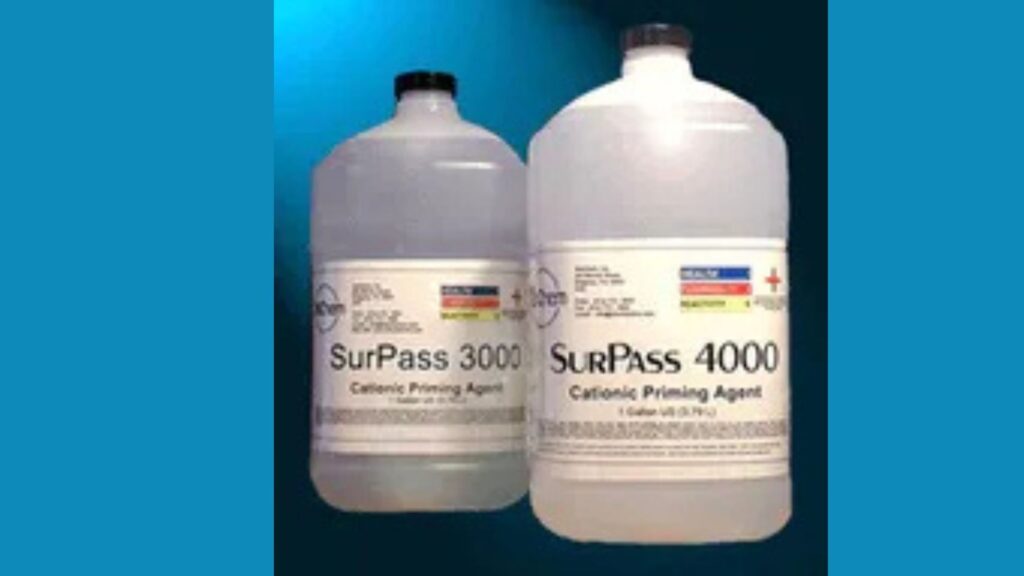
- Adhesion promoters ensure uniform coating across surfaces
- Anti-charging agents prevent distortion during exposure
- Cleaning solutions remove contaminants that affect accuracy
Each chemical step directly influences the final output. Strong process control depends on reliable formulations.
How Do Advanced Resists Improve Pattern Accuracy?
Resist materials sit at the core of lithography performance. They define how accurately patterns transfer from design to substrate.
High-performance resists, such as hydrogen silsesquioxane-based materials, offer several advantages:
- Excellent resolution for nanoscale features
- Strong resistance to etching processes
- Consistent sensitivity across applications
In an e-beam lithography system, these properties allow engineers to push design limits. They can create smaller features without sacrificing structural integrity.
Reliable resist chemistry also reduces variability. This improves repeatability across production runs, which is critical for commercial manufacturing.
What Role Does Surface Preparation Play in Success?
Surface quality often determines whether a process succeeds or fails. Even minor contamination can disrupt pattern formation.
In EBL electron beam lithography, cleaning solutions prepare substrates before resist application. These solutions remove particles, organic residues, and oxidation layers.
Proper surface preparation ensures:
- Uniform resist coating
- Strong adhesion between layers
- Reduced defect rates
Without this step, even advanced equipment cannot deliver consistent results. Clean surfaces create a stable foundation for precision work.
How Do Anti-Charging Solutions Improve Stability?
Charging effects can distort electron beam paths. This issue often occurs when working with insulating materials.
Anti-charging agents help manage this challenge in an e-beam lithography system. They create a conductive layer that dissipates excess charge during exposure.
This leads to:
- Improved pattern accuracy
- Reduced image distortion
- Better alignment during multi-layer processes
Stable exposure conditions are essential for high-resolution fabrication. Anti-charging solutions help maintain that stability.
Can Chemical Optimization Reduce Manufacturing Costs?
Cost control remains a major concern in advanced manufacturing. While precision processes can be expensive, optimized chemistry helps reduce overall costs.
In EBL electron beam lithography, efficient chemical formulations can:
- Increase yield by reducing defects
- Lower material waste
- Improve process speed
- Minimize rework and corrections
These benefits support both research environments and large-scale production. Companies that invest in high-quality chemistry often see long-term savings.
What Does the Future Hold for EBL Technology?
The demand for smaller and more powerful devices will continue to grow. This trend will push e-beam lithography system capabilities even further.
Future developments may include:
- Faster exposure techniques
- Enhanced resist sensitivity
- Improved environmental stability
- Greater integration with other fabrication methods
At the same time, chemical innovation will remain essential. As feature sizes shrink, the margin for error becomes even smaller. This makes reliable chemical performance more important than ever.
A Fresh Perspective on Precision and Partnership
The success of EBL electron beam lithography depends on more than advanced equipment. It requires a balanced approach that combines technology with specialized chemistry.
Every stage, from resist selection to surface preparation, contributes to final outcomes. Companies that understand this connection gain a clear advantage in high-precision manufacturing.
This is where focused expertise makes a difference. Providers that design and supply advanced lithography chemicals help bridge the gap between concept and execution. Their role supports better accuracy, improved yields, and consistent results.
In this evolving landscape, DisChem Inc. continues to support the performance of the e-beam lithography system through targeted chemical solutions. By aligning chemistry with process demands, they help manufacturers meet the challenges of modern micro-fabrication with confidence.