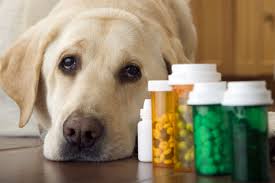

Skin infections are among the most common health issues in dogs. They can cause discomfort, itching, redness, hair loss, and even painful sores if left untreated. While many mild skin problems can be managed with topical treatments, some conditions require oral medication such as a dog skin infection medicine tablet. Understanding when these tablets are truly necessary helps pet owners provide safe, timely, and effective treatment for their pets.
Understanding Skin Infections in Dogs
Dog skin infections can develop for several reasons, including bacteria, fungi, parasites, allergies, or injuries. When the skin barrier is damaged—due to scratching, wounds, or underlying health conditions—microorganisms can multiply and cause infection. These infections may appear in localized areas or spread across larger parts of the body if untreated.
Skin infections in dogs are generally categorized into:
-
Bacterial infections (pyoderma) – Often caused by scratching, wounds, or allergies
-
Fungal infections – Commonly yeast infections or ringworm
-
Parasitic infections – Caused by mites, fleas, or ticks leading to secondary infections
-
Allergy-related infections – Repeated irritation allows bacteria to grow
In moderate to severe cases, veterinarians may prescribe a dog skin infection medicine tablet to control the infection from within.
Signs Your Dog May Have a Skin Infection
Recognizing early symptoms helps ensure faster treatment. Common signs include:
-
Constant scratching or licking
-
Red, inflamed skin
-
Hair loss or thinning coat
-
Scabs, sores, or crusty patches
-
Pus-filled bumps or lesions
-
Foul odor from the skin
-
Thickened or darkened skin in chronic cases
If these symptoms persist for several days or worsen, veterinary consultation is necessary to determine whether oral skin infection medicine for dogs is required.
When Does Your Dog Really Need a Skin Infection Medicine Tablet?
Not all skin conditions require tablets. Many mild infections can be treated with medicated shampoos, sprays, or creams. However, veterinarians may prescribe dog skin infection medicine tablets in the following situations:
1. Moderate to Severe Bacterial Infections
When bacterial infections spread beyond a small area or cause deep skin lesions, oral antibiotics are often necessary to eliminate the bacteria effectively.
2. Recurrent Skin Infections
Dogs suffering from recurring infections due to allergies or underlying medical conditions may require oral medication along with long-term management strategies.
3. Deep Skin Infections (Deep Pyoderma)
Deep infections affect hair follicles and underlying tissues, making topical treatment insufficient. Tablets help reach the infection internally.
4. Secondary Infections from Parasites or Allergies
If scratching caused by fleas, mites, or allergies leads to open sores, bacterial infections may develop and require antibiotic tablets for dogs.
5. Failure of Topical Treatments
If medicated shampoos or creams do not show improvement within the recommended period, veterinarians may switch to oral medication.
Types of Dog Skin Infection Medicine Tablets
Veterinarians prescribe medication based on the cause of the infection:
Antibiotic Tablets
Used for bacterial infections. Common options include cephalexin, amoxicillin-clavulanate, and clindamycin.
Antifungal Tablets
Prescribed for fungal or yeast infections, especially when they are widespread or persistent.
Anti-inflammatory Medications
Sometimes used alongside antibiotics to reduce itching and inflammation, helping the skin heal faster.
Only a veterinarian should determine the correct dog skin infection treatment, dosage, and duration.
Risks of Using Tablets Without Veterinary Advice
Giving medication without proper diagnosis can create several problems:
-
Incorrect treatment if the infection is fungal or parasitic rather than bacterial
-
Antibiotic resistance from unnecessary antibiotic use
-
Allergic reactions or digestive side effects
-
Delayed healing due to wrong dosage or medication choice
Always consult a veterinarian before administering any dog skin infection medicine tablet.
Safe Administration of Skin Infection Medicine Tablets
Once prescribed, proper administration is essential for effective treatment:
-
Follow the exact dosage instructions.
-
Complete the full course even if symptoms improve early.
-
Give tablets at the recommended time intervals.
-
Monitor your dog for side effects such as vomiting, diarrhea, or unusual lethargy.
-
Avoid skipping doses to prevent recurrence of infection.
Responsible medication use ensures better results and prevents resistant infections.
Supporting Skin Healing Alongside Medication
Medication alone may not be enough. Additional care helps speed recovery:
-
Bathe your dog using veterinarian-approved medicated shampoos
-
Maintain regular grooming to remove dirt and allergens
-
Provide a balanced diet rich in essential nutrients
-
Prevent excessive licking by using protective collars if necessary
-
Keep bedding clean to reduce bacterial exposure
Combining these practices with oral antibiotics for dog skin infection improves healing outcomes.
Preventing Skin Infections in Dogs
Preventive care reduces the likelihood of infections and the need for medication:
-
Use regular flea and tick prevention products
-
Maintain proper grooming and hygiene
-
Address allergies early to reduce scratching
-
Keep your dog’s skin dry, especially in humid conditions
-
Schedule routine veterinary checkups
-
Provide high-quality nutrition to strengthen immunity
Healthy skin acts as a natural barrier against infection, minimizing the need for dog skin infection medicine tablets.
When to Seek Immediate Veterinary Care
Seek prompt veterinary attention if:
-
Skin lesions spread rapidly
-
Your dog develops fever or lethargy
-
There is excessive pus or bleeding
-
Severe swelling or pain occurs
-
The infection does not improve within a few days
Early treatment prevents complications and reduces recovery time.
Final Thoughts
A dog skin infection medicine tablet can be highly effective when prescribed for the right condition, particularly moderate to severe bacterial or fungal infections. However, not every skin issue requires oral medication. Proper diagnosis, timely veterinary care, and responsible use of prescribed medicines ensure safe and successful treatment.
By recognizing symptoms early, following treatment guidelines carefully, and maintaining preventive care, pet owners can protect their dogs from recurring skin problems and keep their pets healthy, comfortable, and active.