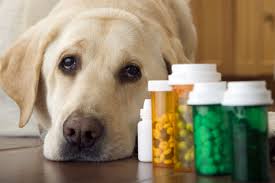

Skin infections are among the most common health issues in dogs. They can range from mild irritations to severe bacterial, fungal, or parasitic infections. Treating these conditions promptly and effectively is crucial to prevent discomfort, worsening symptoms, or more serious health complications. Dog skin infection medicine tablet are often prescribed by veterinarians to combat bacterial or fungal infections, promote healing, and improve your dog’s overall quality of life. Understanding the types of medications, their uses, proper administration, and safety precautions is essential for responsible pet care.
Common Causes of Skin Infections in Dogs
Dog skin infections can result from a variety of factors, including:
-
Bacterial infections – Often caused by Staphylococcus bacteria entering cuts, scratches, or areas of irritated skin.
-
Fungal infections – Such as yeast infections or ringworm, which thrive in moist areas.
-
Allergies – Food, environmental allergens, or flea bites can trigger secondary infections from scratching.
-
Parasites – Fleas, ticks, or mites can lead to infected skin lesions.
-
Injuries or wounds – Cuts, scrapes, or surgical sites can become infected if bacteria invade the area.
Identifying the underlying cause is critical for selecting the appropriate dog skin infection medicine tablet.
Types of Dog Skin Infection Medicine Tablets
There are several types of oral medications prescribed to treat canine skin infections. Veterinarians choose the type based on the infection’s cause, severity, and the dog’s overall health.
-
Antibiotic Tablets
-
Used to treat bacterial skin infections.
-
Commonly prescribed antibiotics include cephalexin, amoxicillin-clavulanate, and clindamycin.
-
They work by killing bacteria or preventing their growth, promoting faster healing.
-
-
Antifungal Tablets
-
Used for fungal or yeast infections that affect the skin.
-
Common antifungal medications include ketoconazole, itraconazole, and fluconazole.
-
These tablets inhibit fungal growth and prevent infections from spreading.
-
-
Anti-inflammatory Medications
-
While not directly treating infections, anti-inflammatory tablets like prednisone can help reduce inflammation, itching, and discomfort associated with skin infections.
-
-
Combination Therapies
-
In some cases, a veterinarian may prescribe a combination of antibiotic and antifungal tablets, depending on the type and severity of the infection.
-
Veterinary Advice on Administering Skin Infection Tablets
Proper administration of dog skin infection medicine tablets is crucial for effective treatment. Veterinarians recommend the following:
-
Follow the Prescribed Dosage
-
Give the medication exactly as instructed. Overdosing can be harmful, while underdosing may fail to treat the infection and lead to resistance.
-
-
Complete the Full Course
-
Even if your dog’s skin appears healed, completing the full course ensures all bacteria or fungi are eliminated.
-
-
Monitor Your Dog for Side Effects
-
Common side effects include vomiting, diarrhea, loss of appetite, or lethargy. Severe reactions such as hives, swelling, or difficulty breathing require immediate veterinary attention.
-
-
Avoid Self-Medication
-
Do not use leftover antibiotics or human medications. Only give tablets prescribed specifically for your dog.
-
-
Combine with Wound and Skin Care
-
Cleaning the affected area and applying veterinarian-approved topical treatments can enhance the effectiveness of oral medication.
-
Signs Your Dog May Need a Skin Infection Tablet
Pet owners should look for symptoms that indicate a bacterial or fungal skin infection, including:
-
Redness, swelling, or warm areas on the skin
-
Pustules, scabs, or discharge
-
Excessive scratching, licking, or biting at certain areas
-
Hair loss or bald patches
-
Foul odor from the skin
If any of these symptoms appear, a veterinarian can diagnose the problem and recommend the appropriate dog skin infection medicine tablet.
Safety Precautions and Tips
When using dog skin infection medicine tablets, safety is key:
-
Administer with Food – Some tablets may cause stomach upset if given on an empty stomach.
-
Maintain Consistent Schedule – Give doses at the same time each day to maintain proper blood levels.
-
Prevent Re-infection – Keep your dog’s environment clean, treat fleas or mites, and manage allergies to reduce the risk of recurring infections.
-
Use Protective Measures – Prevent your dog from licking or scratching wounds to avoid worsening the infection.
Supporting Recovery from Skin Infections
Alongside antibiotics or antifungal tablets, veterinarians may recommend additional measures to support healing:
-
Topical Treatments – Creams, sprays, or medicated shampoos can complement oral medication.
-
Diet and Nutrition – A healthy diet rich in omega-3 fatty acids, vitamins, and minerals can improve skin health.
-
Hydration – Proper hydration supports skin healing and overall immunity.
-
Follow-Up Visits – Regular check-ups ensure the infection is resolving and allow for medication adjustments if needed.
Final Thoughts
Dog skin infection medicine tablets are a vital part of treating bacterial, fungal, or complex skin infections. Following veterinary advice ensures your dog receives the correct medication at the right dosage, minimizing side effects and promoting faster recovery.
Combining oral medication with proper wound care, topical treatments, and supportive care creates the best environment for your dog’s skin to heal. Always consult a veterinarian before giving any antibiotics or antifungal tablets, and never use human medications for your pets. Responsible use of medication protects your dog’s health, prevents complications, and ensures that skin infections are treated safely and effectively.
By understanding the types of tablets available, how to administer them properly, and the precautions to take, you can help your dog recover from skin infections quickly and maintain healthy, comfortable skin.