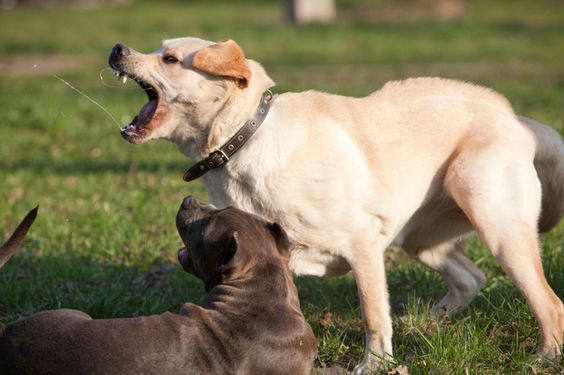

Dog owners across the United States often feel stressed, embarrassed, or even scared when their pets react aggressively toward other dogs during walks, visits to the park, or encounters in public places. While many people assume aggression automatically means a dog is dangerous, the reality is often more complicated. Understanding dog aggression toward other dogs is important because aggressive behavior usually develops from fear, frustration, anxiety, territorial instincts, or poor social experiences rather than simple hostility.
The truth about dog aggression toward other dogs is that most reactive behavior starts with emotional discomfort or communication problems. Dogs use body language, barking, growling, and posture to express how they feel during social interactions. At petsoulcare, many pet owners look for affordable and trustworthy guidance to manage aggressive behavior safely without relying on harsh punishment or unrealistic training expectations. Learning the reasons behind aggressive behavior helps owners build safer and calmer relationships with their pets over time.
Understanding Dog Aggression Toward Other Dogs
One of the biggest misunderstandings about dog aggression toward other dogs is the assumption that all aggressive behavior comes from dominance or bad temperament. In reality, many dogs react aggressively because they feel nervous, overwhelmed, or insecure during interactions with unfamiliar animals.
Some dogs bark, lunge, or growl because they are afraid another dog may approach too closely. Other dogs become reactive because they feel frustrated while restrained on a leash. Emotional stress often plays a larger role than actual aggression.
Breed tendencies can also influence dog aggression toward other dogs. Certain breeds were historically developed for guarding, protection, or independent work, which may affect how they react during social encounters. However, training, socialization, and environment are usually more important than breed alone.
Understanding the emotional reasons behind aggression allows owners to respond more effectively and avoid making behavior problems worse through punishment or fear-based corrections.
Reactive Dog Behavior Often Starts With Fear
Reactive dog behavior is one of the most common reasons owners struggle during walks or public outings. Reactive dogs often overreact emotionally to triggers like unfamiliar dogs, loud environments, or crowded spaces.
Fear is a major cause of reactive dog behavior. Dogs that lacked positive socialization experiences during puppyhood may feel uncertain or threatened when meeting unfamiliar dogs later in life. Barking and lunging become coping mechanisms designed to create distance from stressful situations.
Past trauma can also contribute to reactive dog behavior. Dogs that experienced attacks, neglect, or stressful environments may remain emotionally sensitive long after the original incident happened.
Leash restriction is another important factor. Dogs naturally prefer flexible movement during greetings, but leashes limit their ability to communicate comfortably. This restriction can increase frustration and emotional pressure quickly.
At petsoulcare, we encourage owners to recognize that reactive behavior usually reflects emotional stress rather than intentional disobedience.
Causes of Aggression in Dogs Owners Should Know
There are many possible causes of aggression in dogs, and understanding these triggers is essential for creating safe and effective management plans. Fear remains one of the most common causes because anxious dogs often react defensively when they feel cornered or uncertain.
Pain and health issues can also contribute to the causes of aggression in dogs. Dogs experiencing discomfort may become more irritable or sensitive during social interactions. Veterinary evaluations are important whenever aggressive behavior appears suddenly.
Lack of proper socialization is another major factor connected to the causes of aggression in dogs. Puppies that miss early positive exposure to other dogs may struggle to interpret social signals confidently later in life.
Resource guarding also influences aggressive behavior. Some dogs become protective over toys, food, owners, or resting areas and may react aggressively when other dogs come too close.
Environmental stress plays a role as well. Busy neighborhoods, crowded dog parks, or chaotic home environments can overwhelm emotionally sensitive dogs and increase reactivity.
Understanding these different triggers helps owners focus on solutions that address emotional needs instead of only suppressing visible behavior.
Canine Dominance and Territorial Behavior Explained
Canine dominance and territorial behavior are often misunderstood topics among American pet owners. While dominance can influence certain social interactions, many aggressive reactions are actually connected to insecurity or fear rather than attempts to control other dogs.
Territorial instincts are natural for many dogs. Dogs may react more aggressively near their homes, yards, vehicles, or favorite walking areas because they feel protective of familiar spaces.
Canine dominance and territorial behavior can also appear when dogs compete over resources such as food, sleeping areas, or owner attention. However, these situations usually involve emotional tension and competition rather than constant attempts to dominate.
Some owners accidentally reinforce territorial behavior by becoming tense or protective during walks. Dogs often pick up on human emotions and mirror that energy during encounters with other animals.
At petsoulcare, we remind owners that understanding emotional context matters far more than labeling dogs as dominant or aggressive without deeper evaluation.
Recognizing Early Warning Signs of Aggression
One important part of managing dog aggression toward other dogs involves recognizing warning signs before reactions escalate. Dogs usually display subtle body language changes long before barking or lunging begins.
A stiff posture, intense staring, raised fur, lip licking, or freezing temporarily can all signal emotional discomfort. Some dogs also pull forward intensely or hold their tails unusually high when feeling tense.
Understanding these early signals helps owners create more distance before aggressive behavior escalates. Waiting until barking or lunging starts often makes training more difficult because the dog is already emotionally overwhelmed.
American dog owners sometimes focus only on stopping visible reactions while missing the emotional warning signs happening beforehand. Observing body language carefully allows for calmer and more proactive responses.
Recognizing emotional stress early is one of the most valuable skills owners can develop when managing dog aggression toward other dogs.
Dog Socialization Training Tips for Better Behavior
Proper socialization plays a major role in reducing aggressive reactions and building confidence around other dogs. One of the most effective dog socialization training tips involves creating positive experiences gradually instead of forcing direct interactions.
Dogs learn best when they feel safe and emotionally relaxed. Controlled exposure to calm and friendly dogs helps reactive pets build confidence over time without overwhelming pressure.
Distance is another important factor in dog socialization training tips. Reactive dogs often need space to observe other dogs calmly before they can handle closer interactions comfortably.
Reward-based training works especially well during socialization exercises. Treats, praise, and calm encouragement help dogs associate other animals with positive experiences instead of stress or fear.
Structured walks, obedience exercises, and supervised introductions also improve focus and emotional regulation during social encounters.
At petsoulcare, we encourage owners to remain patient because social confidence usually develops gradually rather than instantly.
Managing Aggressive Dogs Safely in Public
Managing aggressive dogs safely requires preparation, awareness, and consistency. Owners should avoid situations that push dogs beyond their emotional comfort zones whenever possible.
One of the best strategies for managing aggressive dogs safely is maintaining enough distance from triggers during walks. Dogs that remain below their emotional threshold are more capable of learning and responding calmly.
Secure equipment is also important when managing aggressive dogs safely. Strong leashes, properly fitted harnesses, and reliable collars help prevent accidents during stressful encounters.
Owners should avoid crowded dog parks if their pets become overwhelmed easily. Controlled environments with fewer distractions usually produce better training outcomes.
Calm leadership matters as well. Dogs often react more strongly when owners become anxious, frustrated, or physically tense during walks. Relaxed handling supports emotional stability and better communication.
At petsoulcare, we recommend focusing on prevention and emotional support rather than punishment-based corrections that increase fear or stress.
Why Leash Aggression Happens So Frequently
Leash aggression is one of the most common forms of dog aggression toward other dogs. Dogs on leashes often feel trapped or restricted during social encounters, which increases emotional pressure significantly.
Without a leash, dogs usually communicate through curved movement, sniffing, and flexible body language. Leashes prevent many natural greeting behaviors, leading to frustration or discomfort.
Some dogs also associate leash encounters with negative experiences from the past. If a dog was frightened or attacked while restrained previously, future leash interactions may trigger defensive reactions automatically.
Owners sometimes unknowingly contribute to leash aggression by tightening the leash whenever another dog appears. This physical tension signals stress and can increase emotional intensity.
Understanding the connection between leash pressure and reactive behavior helps owners make calmer and more informed decisions during walks.
Emotional Stress and Anxiety Increase Aggression
Emotional health strongly influences dog aggression toward other dogs. Dogs experiencing chronic stress or anxiety often react more intensely during social interactions because their nervous systems remain overstimulated.
Changes in routine, lack of exercise, poor sleep, or chaotic environments can all increase emotional tension. Dogs that feel mentally overwhelmed struggle more with impulse control and social confidence.
Separation anxiety may also contribute to aggressive behavior. Emotionally insecure dogs sometimes become hyper-alert outside the home and react defensively to unfamiliar animals.
Mental stimulation helps reduce emotional stress significantly. Training games, puzzle toys, structured walks, and enrichment activities improve focus and confidence while reducing frustration.
At petsoulcare, we believe emotional wellness is one of the most important foundations for long-term behavioral improvement.
Common Mistakes Owners Make With Aggressive Dogs
Many well-meaning owners accidentally make aggressive behavior worse without realizing it. One common mistake involves punishing growling or barking harshly. Suppressing warning signals may increase fear while removing important communication behaviors.
Another issue occurs when owners force uncomfortable interactions between dogs. Not every dog enjoys social encounters, and unwanted greetings often increase emotional stress.
Inconsistent training is another problem connected to dog aggression toward other dogs. Dogs learn best when expectations remain clear and predictable.
Skipping exercise can also contribute to aggression. Understimulated dogs often struggle emotionally because they have excess physical and mental energy without healthy outlets.
Some owners expect quick results, but emotional behavior changes take time and repetition. Patience is essential for building long-term improvement safely.
Building Confidence Through Positive Experiences
Confidence-building is one of the most effective ways to reduce reactive and aggressive behavior over time. Dogs that feel emotionally secure are usually calmer during social encounters and less likely to react defensively.
Structured training sessions, positive reinforcement, and calm exposure to triggers all support emotional growth. Rewarding relaxed behavior helps dogs develop healthier associations with other animals.
Obedience exercises improve communication between dogs and owners while increasing focus during stressful situations. Commands like “look,” “leave it,” and “stay” help redirect attention away from triggers.
Controlled social experiences with calm dogs can also improve confidence gradually. Positive interactions teach reactive dogs that encounters with other animals do not always lead to danger or stress.
Helping dogs feel successful emotionally matters just as much as correcting visible behavior.
Petsoulcare Supports Safer Dog Training Solutions
At petsoulcare, we understand how difficult dog aggression toward other dogs can feel for owners trying to keep their pets safe and happy. Many families worry they are failing as pet owners when aggressive behavior develops, but reactive behavior is far more common than people realize.
Learning the causes of aggression in dogs allows owners to respond with patience and understanding instead of frustration or fear. Whether behavior is connected to anxiety, territorial instincts, poor socialization, or past trauma, gradual trust-building often creates meaningful improvement.
Petsoulcare focuses on practical and affordable advice designed for real-life American households. From dog socialization training tips to managing aggressive dogs safely, our goal is helping owners create calmer and more confident relationships with their pets.
Final Thoughts on Dog Aggression Toward Other Dogs
Understanding dog aggression toward other dogs is the first step toward creating safer and more positive experiences during walks, social outings, and daily life. Aggression often develops from fear, emotional stress, frustration, or communication problems rather than true hostility.
By recognizing reactive dog behavior early, understanding canine dominance and territorial behavior realistically, and applying consistent dog socialization training tips, owners can help dogs feel calmer and more secure around other animals. Managing aggressive dogs safely requires patience, emotional awareness, and structured training rather than punishment or force.
Every dog learns at a different pace, but progress is possible with the right approach and support. With guidance from trusted resources like petsoulcare, American dog owners can better understand their pets and build healthier, safer, and more confident relationships over time.