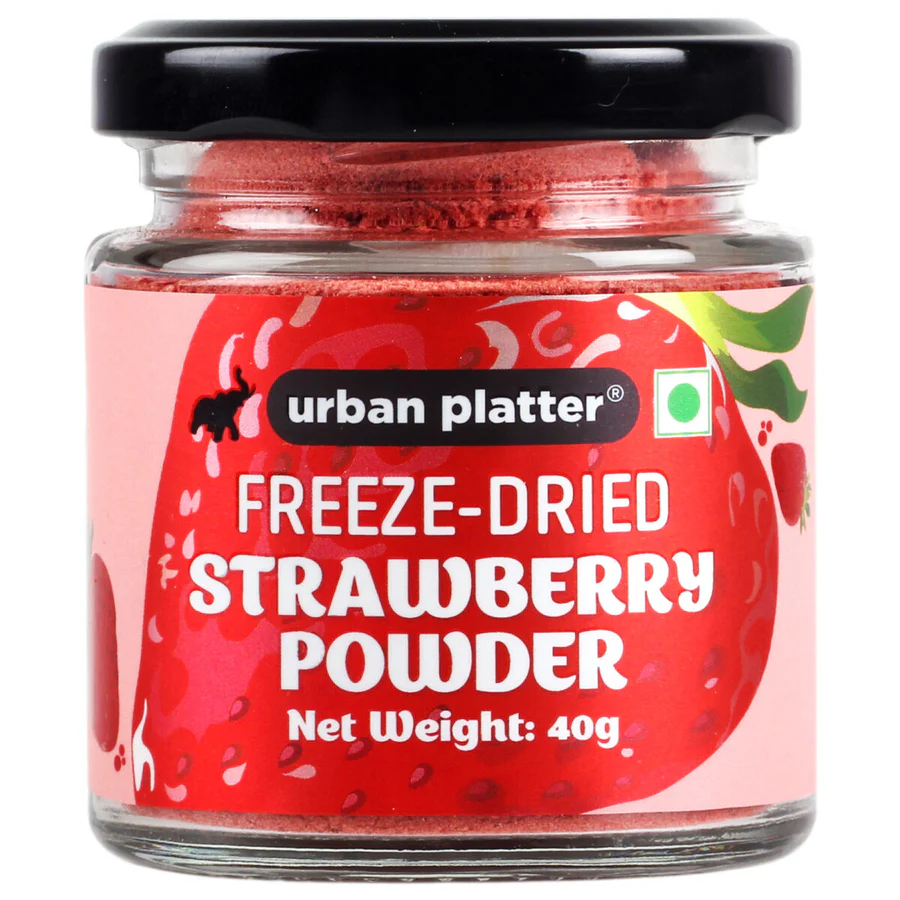

With the growing demand for convenient and nutritious ingredients, fruit powder has become a popular choice among health-conscious consumers. From smoothies and desserts to baking and beverages, fruit powders offer a quick way to add natural flavor and nutrients. However, a common concern many buyers have is: Do fruit powders contain added sugar?
Understanding what goes into your fruit powder and how to read labels correctly is essential for making healthier choices. In this guide, we’ll break down everything you need to know, including how to identify added sugars and choose better-quality products like those from Urban Platter.
What Is Fruit Powder?
Fruit powder is made by dehydrating fresh fruits and grinding them into a fine powder. This process helps retain much of the fruit’s natural flavor, color, and nutrients while making it easy to store and use.
Depending on the product, fruit powder can be:
- 100% pure fruit
- A blend of fruit with additives
- Sweetened with added sugars or flavor enhancers
This is why reading labels becomes extremely important.
Do Fruit Powders Contain Added Sugar?
The answer is: it depends on the brand and type of product.
Some fruit powder products are completely natural and contain only the sugars naturally present in fruits (fructose). Others may include added sugar to enhance sweetness, improve taste, or reduce production costs.
Types of Sugar You May Find:
- Natural sugar: Found naturally in fruits
- Added sugar: Cane sugar, glucose, fructose, or syrups
- Hidden sugars: Ingredients that act like sugar but have different names
High-quality options like Urban Platter fruit powder often focus on maintaining natural ingredients without unnecessary additives, making them a better choice for clean eating.
Why Do Some Brands Add Sugar?
Manufacturers may add sugar to fruit powder for several reasons:
- To enhance sweetness, especially if the fruit is naturally tart
- To improve taste and appeal to a wider audience
- To increase shelf life in some cases
- To reduce production costs by using less real fruit
While this may make the product taste better, it can reduce its nutritional value and add unwanted calories.
How to Read Labels Correctly
Reading labels is the most effective way to determine whether your fruit powder contains added sugar. Here’s what to look for:
1. Check the Ingredient List
The ingredient list is the first place to start. Ideally, a good fruit powder should have:
Example of a clean label:
- 100% fruit (e.g., mango powder, strawberry powder)
Watch out for:
- Sugar
- Sucrose
- Glucose
- High fructose corn syrup
- Maltodextrin
If these appear in the list, it means sugar has been added.
2. Look at the Nutrition Label
The nutrition panel shows the total sugar content per serving. While it doesn’t always distinguish between natural and added sugar, it still provides useful insights.
If the sugar content seems unusually high, it may indicate added sugars.
3. Identify “No Added Sugar” Claims
Some brands clearly mention “no added sugar” on their packaging. While this can be helpful, it’s still important to verify by checking the ingredient list.
Reliable brands like Urban Platter emphasize transparency, making it easier for consumers to make informed choices.
4. Be Aware of Hidden Sugar Names
Sugar can appear under many different names. When buying fruit powder, watch out for terms like:
- Dextrose
- Fructose
- Corn syrup
- Cane juice
- Invert sugar
These are all forms of added sugar.
Benefits of Choosing Unsweetened Fruit Powder
Opting for natural, unsweetened fruit powder offers several advantages:
- Lower calorie intake
- Better control over sugar consumption
- More authentic fruit flavor
- Higher nutritional value
When you choose clean products like Urban Platter fruit powder, you get the true taste of fruit without unnecessary additives.
How to Use Fruit Powder Without Added Sugar
Even without added sugar, fruit powder can be delicious and versatile. Here are some ways to use it:
- Blend into smoothies for natural sweetness
- Add to yogurt or oatmeal
- Use in baking for flavor and color
- Mix into drinks or desserts
If you prefer a sweeter taste, you can always control the sweetness by adding natural sweeteners like honey or dates.
Who Should Avoid Added Sugar in Fruit Powder?
While everyone can benefit from reducing added sugar, it is especially important for:
- People managing weight
- Individuals with diabetes
- Those following low-sugar or clean diets
- Fitness enthusiasts
Choosing unsweetened fruit powder helps support these health goals.
Why Quality Matters
Not all fruit powders are created equal. The quality of ingredients and processing methods can significantly affect the final product.
Trusted brands like Urban Platter focus on delivering premium-quality fruit powder with minimal processing and better ingredient transparency. This ensures you get both flavor and nutrition in every serving.
Final Thoughts
So, do fruit powders contain added sugar? The answer depends on the product you choose. While some options include added sugars, many high-quality products offer pure fruit content without unnecessary additives.
By learning how to read labels correctly—checking ingredients, identifying hidden sugars, and understanding nutrition panels—you can make smarter and healthier choices.
Choosing a reliable option like Urban Platter fruit powder allows you to enjoy natural flavor, better nutrition, and greater control over your sugar intake. With the right knowledge and awareness, you can confidently include fruit powder in your daily diet while supporting a healthier lifestyle.