
When pests invade your home or business, timing is everything. Whether it’s ants crawling across your kitchen counter, rodents scurrying in the walls, or a sudden termite infestation, the right response can prevent property damage, health risks, and emotional stress. This is where emergency pest control comes into play. But when faced with an urgent pest problem, many people wonder: should I tackle it myself, or call in a professional? In this article, we’ll explore the pros and cons of DIY versus professional pest control, and help you determine the best approach for your situation.
Understanding Emergency Pest Control
Emergency pest control refers to services or measures taken to address pest infestations that require immediate attention. Unlike regular pest control, emergencies are typically severe or sudden—like discovering a large rodent infestation in your attic, or finding a venomous spider in your living space. Acting quickly is crucial to prevent damage and ensure the safety of everyone in the home.
Pests can spread disease, contaminate food, and damage property. For instance, rodents chew through wiring, insulation, and wood, creating fire hazards and structural problems. Insects like termites and carpenter ants can compromise the integrity of your home within weeks if not addressed. Therefore, understanding how to respond efficiently is vital.
DIY Emergency Pest Control: What You Can Do
Many homeowners initially consider a DIY approach for emergency pest control due to cost savings and convenience. Here are some common DIY methods:
1. Over-the-Counter Pesticides
Retail stores offer a wide range of sprays, traps, and bait stations for various pests. These products can be effective for minor infestations and may provide temporary relief.
Pros:
- Immediate availability.
- Lower cost than professional services.
- Easy to use for small infestations.
Cons:
- Limited effectiveness for large or hidden infestations.
- Misuse can be hazardous to pets, children, and the environment.
- Some pests develop resistance to chemicals over time.
2. Physical Barriers and Traps
Sealing entry points, installing screens, and setting up traps for rodents or insects are common DIY strategies. This approach helps control pests and prevent future invasions.
Pros:
- Eco-friendly and non-toxic.
- Can prevent future infestations.
- Provides a hands-on approach for homeowners.
Cons:
- Labour-intensive and time-consuming.
- May not fully eradicate pests.
- Limited for pests that reproduce rapidly or hide in hard-to-reach areas.
3. Natural and Home Remedies
Some homeowners use natural solutions like vinegar, essential oils, or diatomaceous earth to repel pests. These methods are appealing to those seeking chemical-free alternatives.
Pros:
- Safer for pets and children.
- Environmentally friendly.
- Can complement other pest control methods.
Cons:
- Often less effective than professional-grade treatments.
- May require frequent reapplication.
- Not suitable for severe infestations.
While DIY methods can be helpful for minor or preventive measures, they often fall short during a true emergency. That’s where professional services shine.
Professional Emergency Pest Control: Why It Works
Professional pest control companies offer a higher level of expertise and resources to handle urgent infestations. Here’s why calling a pro is often the better choice:
1. Expertise and Training
Licensed pest control technicians are trained to identify pest species accurately and understand their behaviour. Knowing exactly what you’re dealing with is critical in emergencies because the wrong treatment can worsen the problem.
2. Advanced Tools and Treatments
Professionals have access to commercial-grade chemicals, foggers, baits, and equipment that aren’t available to the public. These tools are often more effective, longer-lasting, and faster-acting than retail solutions.
3. Safety and Compliance
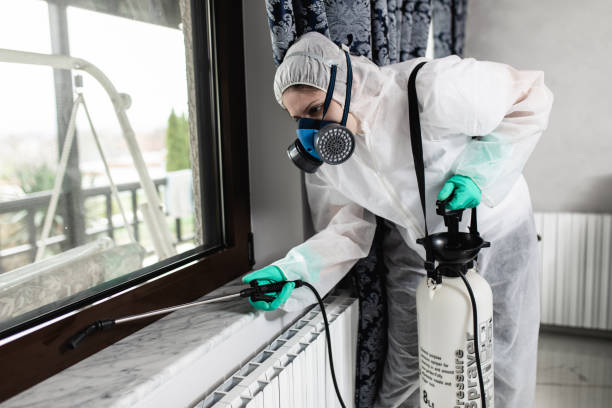
Handling strong pesticides or fumigation agents can be dangerous. Professionals know the proper dosage, application techniques, and safety measures to protect your family, pets, and property. They also comply with local regulations, reducing legal risks.
4. Comprehensive Solutions
A professional will not only treat the visible infestation but also identify underlying causes and risk areas. They can implement long-term strategies like sealing entry points, monitoring for recurrence, and providing maintenance schedules to prevent future emergencies.
5. Time-Saving
Emergency situations require quick action. Attempting a DIY solution may take hours or days with uncertain results. Professionals can often resolve the problem in a fraction of the time, reducing stress and potential property damage.
When DIY May Be Enough
Despite the advantages of professional help, DIY methods are not useless. For minor pest problems or preventive measures, DIY can be effective:
- A few ants in the kitchen.
- A single mouse sighting with minimal evidence of infestation.
- Minor cockroach sightings in isolated areas.
- Preventive measures in homes or businesses in pest-prone areas.
In these cases, a quick DIY approach may work until you can schedule a professional inspection. However, if the pest problem escalates, you should call experts immediately.
Deciding Between DIY and Professional Emergency Pest Control
Choosing the right approach depends on several factors:
Severity of Infestation
Severe or rapidly spreading infestations require professional attention. If you notice multiple pests, signs of damage, or potential health hazards, don’t wait.
Type of Pest
Some pests, like termites, bedbugs, or venomous spiders, are notoriously difficult to eliminate without professional tools and knowledge. Rodents, too, may require specialized traps or bait strategies.
Location and Accessibility
Pests hiding in walls, attics, or crawl spaces can be difficult for homeowners to reach safely. Professionals have the equipment to access these areas without causing damage.
Health and Safety Concerns
If you have children, pets, or family members with respiratory issues, chemical treatments could pose risks. Professionals are trained to minimise exposure and apply treatments safely.
Time and Convenience
Emergency pest control requires immediate action. Professionals can often respond faster and more efficiently than a DIY approach, saving you both time and stress.
Conclusion: What Works Best?
While DIY solutions may offer temporary relief or work for minor pest issues, professional emergency pest control is generally the most effective and safest option for serious infestations. Professionals bring expertise, advanced treatments, and long-term solutions that DIY methods often cannot match.
If your home or business is facing a pest emergency, don’t hesitate. Acting quickly with the right approach can prevent health risks, structural damage, and long-term headaches. For minor issues, DIY may suffice, but when it comes to urgent infestations, professional help is usually the smarter choice.
Investing in professional emergency pest control is not just about removing pests—it’s about peace of mind, safety, and protecting your property.
FAQs About Emergency Pest Control
Q1: How quickly should I act during a pest emergency?
A: Immediate action is crucial. Pests reproduce rapidly, and delays can increase property damage and health risks.
Q2: Are professional pest control services safe for children and pets?
A: Yes. Licensed technicians use methods and chemicals that minimise risk while effectively eradicating pests.
Q3: Can DIY methods prevent future infestations?
A: Yes, DIY preventive measures like sealing entry points and keeping a clean home can reduce the likelihood of infestations.
Q4: How much does emergency pest control cost?
A: Costs vary depending on the pest type, infestation severity, and treatment method. It’s best to request an inspection for an accurate estimate.
Q5: Is it necessary to follow up after professional treatment?
A: Most professionals provide follow-up inspections and maintenance recommendations to ensure pests don’t return.