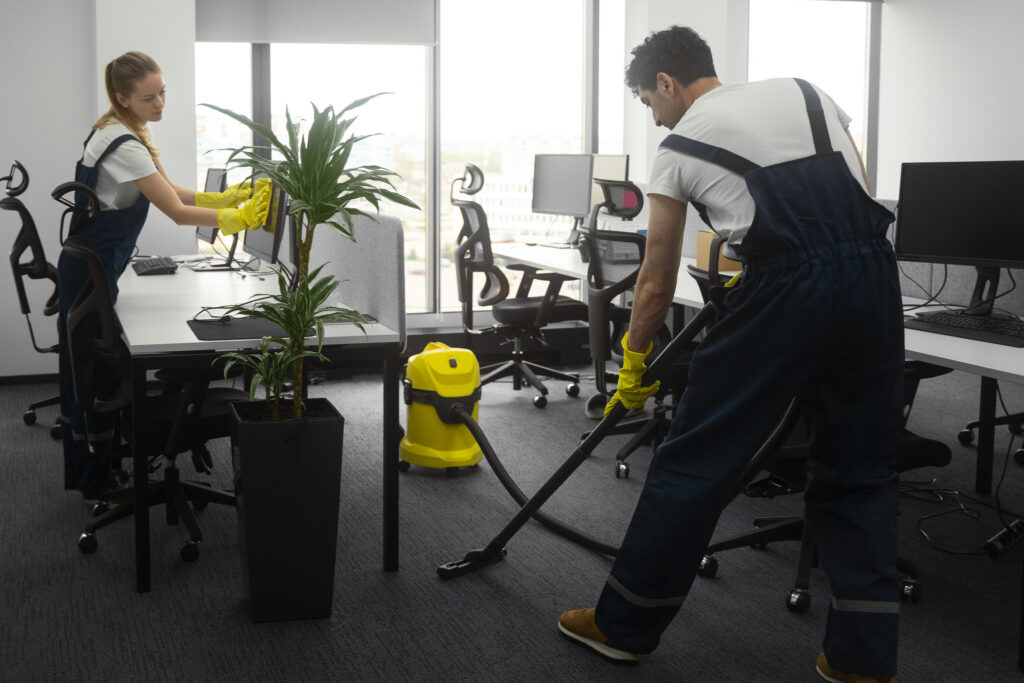

Keeping an office clean is not just about appearance. A well-maintained workplace supports staff health, productivity, and your professional image and Madani cleaning service helps people to maintain their workplaces tidy and clean. However, many businesses struggle to understand the difference between cleaning types. Knowing when to use routine cleaning and when deep cleaning is required helps offices stay hygienic and cost-effective.
This guide explains deep cleaning vs routine office cleaning, what each involves, and how to choose the right option for your workplace.
What Is Routine Office Cleaning?
Routine cleaning refers to the regular tasks carried out daily or weekly to maintain cleanliness and order. It focuses on visible areas and commonly used surfaces.
Typical Routine Cleaning Tasks
- Emptying bins and waste disposal
- Vacuuming carpets and mopping floors
- Dusting desks, shelves, and window sills
- Cleaning toilets, sinks, and kitchen areas
- Wiping down shared touchpoints such as door handles and switches
Routine cleaning keeps the office presentable and reduces the daily spread of germs. However, it does not reach hidden dirt or bacteria that builds up over time.
What Is Deep Cleaning?
Deep cleaning is a more intensive service that targets areas often overlooked during routine cleaning. It removes deep-seated grime, bacteria, and allergens.
Typical Deep Cleaning Tasks
- Carpet steam cleaning and stain removal
- Scrubbing floor edges, grout, and under furniture
- Deep sanitisation of washrooms and kitchens
- Cleaning air vents, radiators, and behind equipment
- High-level dusting and disinfection
Deep cleaning restores the workplace to a higher hygiene standard and is essential for long-term maintenance.
Deep Cleaning vs Routine Office Cleaning: Key Differences
Understanding deep cleaning vs routine office cleaning allows business owners to set realistic expectations and schedules.
Routine office cleaning
- Ongoing maintenance
- Focuses on visible, high-use areas
- Shorter cleaning sessions
- Prevents everyday mess and surface contamination
Deep office cleaning
- Periodic and thorough
- Targets hidden dirt and bacteria
- Requires specialist equipment
- Improves air quality and long-term cleanliness
Both play important roles and work best when combined.
Why Offices Need Both Cleaning Types
Relying on routine cleaning alone can allow bacteria, dust, and allergens to accumulate. Equally, deep cleaning without regular maintenance quickly loses its impact.
Benefits of a Balanced Cleaning Plan
- Healthier working environment
- Reduced employee sick days
- Longer lifespan of carpets, flooring, and furniture
- Improved first impressions for visitors and clients
A well-planned approach ensures hygiene standards remain consistent throughout the year.
How Often Should Offices Schedule Deep Cleaning?
The frequency depends on usage, staff size, and industry requirements.
General Guidelines
- Low-traffic offices: Deep clean every 6–12 months
- Medium-traffic offices: Every 3–6 months
- High-traffic workplaces: Monthly or quarterly
Industries such as healthcare, hospitality, and shared offices often require more frequent deep cleaning.
Signs Your Office Needs a Deep Clean
You may need more than routine cleaning if you notice:
- Persistent odours despite regular cleaning
- Visible stains on carpets or upholstery
- Excessive dust on vents and high surfaces
- Increased staff allergies or illness
These signs indicate hidden dirt that routine methods cannot remove.
Choosing the Right Professional Cleaning Service
When selecting cleaners, ensure they understand the difference between routine and deep cleaning.
What to Look For
- Clear cleaning schedules and task lists
- Use of professional equipment and products
- Experience with offices of similar size
- Flexible plans tailored to your business
Professional cleaners can advise on the correct balance of services for your office.
Conclusion
Understanding deep cleaning vs routine office cleaning helps offices maintain a healthier, more professional environment. Routine cleaning keeps daily hygiene under control, while deep cleaning removes built-up dirt and bacteria that routine methods miss. Combining both ensures cleanliness, protects staff wellbeing, and preserves your office assets long-term.
Frequently Asked Questions
1. Can routine cleaning replace deep cleaning?
Quick answer: No. Routine cleaning maintains daily cleanliness but does not remove deep-seated dirt or bacteria.
2. Is deep cleaning disruptive to office work?
Quick answer: It can be scheduled after hours or at weekends to minimize disruption.
3. Do small offices need deep cleaning?
Quick answer: Yes. Even small offices build up dust and bacteria over time.
4. How long does a deep clean take?
Quick answer: It depends on office size, but usually several hours to a full day.
5. Is deep cleaning more expensive?
Quick answer: It costs more than routine cleaning but saves money long-term by protecting office assets.