
The early years of a child’s life are often described as a window of opportunity, where the brain forms millions of of neural connections every second. For daycare providers and parents, this reality brings a unique set of challenges: how do you balance the need for high-quality instruction with the logistical demands of a busy day? In 2026, the shift toward structured yet play-based learning has made the selection of educational resources more critical than ever. Recent research highlights that consistency in daily routines—not just random activities—is what truly fosters cognitive and social-emotional growth. This objective need for a reliable, “no-prep” solution is why we are seeing a significant rise in the adoption of professional educational packages.
The Practical Magic of Pre-Planned Daily Bags
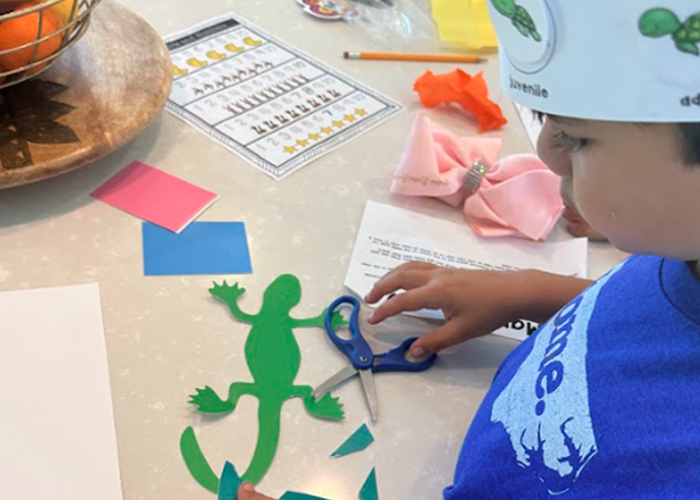
Managing a daycare or a a home classroom often feels like a race against the clock. When you have multiple children with varying needs, spending hours on lesson planning and supply runs isn’t just difficult; it’s often impossible. This is where daycare curriculum kits provide a technical advantage. By pre-packaging 20 days of instruction into labeled, daily units, these kits remove the the administrative burden from the teacher. Each daily bag should contain three distinct pillars: a literacy or math game, a sensory task, and a themed craft. This specific structure ensures that children are hitting developmental milestones across all domains—physical, cognitive, and social—without the educator needing to stay up late cutting out paper shapes or sorting beads.
Key Considerations for Quality and Consistency
When evaluating any curriculum, the “all-inclusive” claim needs a a close look. A high-quality kit should provide specialized materials that are hard to find in bulk, like unique textures, specific science tools, or custom-themed manipulative pieces.
- The Three-Year Rotation: Content should rotate annually so that returning students always face fresh challenges.
- Standards Alignment: Look for kits that align with state early learning standards while maintaining a a focus on play.
- Technical Organization: Each day should be a “grab-and-go” experience, requiring zero additional research or printing.
- Household Staples Rule: Transparency is key. You should expect to provide basic staples like glue, scissors, and crayons to keep the kit focused on high-value items.
- Assessment Tools: Modern kits include simple ways to track and share progress with parents, bridging the gap between home and school.
Why an Integrated Approach Beats Random Play
While open-ended play is vital, an integrated curriculum ensures that the play has a purpose. For instance, a craft isn’t just about glue and glitter; it’s a fine-motor workout that prepares a child for the tripod grip needed in kindergarten. Using an all-inclusive homeschool curriculum approach in a daycare setting allows for this level of pedagogical depth without the need for an advanced degree in curriculum design. By weaving 35+ research-based skills into playful projects, these kits ensure that “school time” feels like “game time.” This seamless integration prevents child burnout and keeps engagement levels high throughout the academic year, which runs from September to May in our professional cycle.
The Bottom Line: Growth Without the Grind
The best educators are those who have the mental space to actually engage with their students. By handling the complex sourcing, the sequential planning, and the manual prep, we allow you to focus on the “aha” moments that define early childhood. Our 5-day and 3-day tracks are designed to scale with your needs, providing 60 unique activities per month that bridge the gap to kindergarten readiness. Education shouldn’t be a chore for the teacher or the student; it should be a shared adventure. We’ve done the heavy lifting—all you have to do is open the bag.