
Skin changes can cause worry, especially when a rash, patch, or bump does not improve with usual treatments. Many people assume that skin conditions are easy to identify, yet several disorders share very similar features. Even experienced clinicians sometimes need additional evaluation before reaching the correct diagnosis.
From my experience as a medical professional working with patients who have chronic skin concerns, I often see people who have tried several creams or treatments before learning that their original diagnosis was incorrect. A misdiagnosis can delay proper care and allow symptoms to worsen. Learning about conditions that are commonly confused with others can help you recognise when it may be time to seek a second opinion or further testing. Several skin conditions that are often misdiagnosed, why confusion occurs, and what signs may help guide a more accurate diagnosis.
Why Skin Conditions Are Often Misdiagnosed
Skin diseases frequently look alike, particularly in the early stages. Redness, itching, scaling, or small bumps can appear in many different conditions. A rash on the arms or legs might resemble eczema, fungal infection, psoriasis, or another inflammatory disorder.
Several factors contribute to misdiagnosis:
- Similar physical appearance
Many rashes produce redness, scaling, and irritation. Without additional clues, two different diseases may appear almost identical. - Symptoms overlap
Itching, dryness, swelling, or discolouration can occur in numerous skin conditions. - Changes over time
Some disorders develop gradually. Early stages may resemble a different condition before their typical features appear. - Self-treatment before medical assessment
People often use over-the-counter creams first. These treatments can temporarily alter how a rash looks, which sometimes makes diagnosis more difficult. - Limited examination of the full body
Skin problems may appear in multiple areas, but people sometimes show only the most irritated spot. Seeing the entire pattern of the rash often helps clinicians recognise the true condition.
When uncertainty exists, dermatologists may use skin scrapings, biopsies, or laboratory tests to confirm a diagnosis.
Eczema and Fungal Infections
One of the most frequent diagnostic mix-ups occurs between eczema and fungal infections.
Eczema
Eczema, also known as atopic dermatitis, causes dry, itchy, inflamed skin. It often appears on the hands, face, neck, or inside the elbows and knees. The skin may crack or become rough and thick after repeated scratching.
Fungal Infections
Fungal infections such as ringworm create circular rashes with raised borders and clearer centres. The affected area may itch or burn.
Why Confusion Happens
Both conditions can cause redness, irritation, and scaling. If a fungal infection loses its classic ring pattern, it may resemble eczema.
A key difference is that eczema usually affects both sides of the body in a similar pattern, while fungal infections often appear in isolated patches. When antifungal treatment improves the rash, that response also helps confirm the diagnosis.
Psoriasis and Chronic Eczema
Psoriasis and eczema share several features, yet they arise from different biological processes.
Psoriasis
Psoriasis produces thick, scaly plaques that may appear silvery or white. These patches often develop on the scalp, elbows, knees, or lower back. The condition results from an overactive immune response that speeds up skin cell turnover.
Chronic Eczema
Long-term eczema can also cause thickened skin and scaling due to repeated scratching and inflammation.
Key Differences
Psoriasis plaques usually have well-defined edges and thicker scaling. Eczema patches may appear less sharply defined and often itch more intensely.
In some cases, doctors perform a skin biopsy to identify which condition is present. The correct diagnosis is important because treatments for psoriasis differ from those used for eczema.
Rosacea and Acne
Many adults who experience facial redness or bumps assume they have acne. However, another condition called rosacea often causes similar symptoms.
Rosacea
Rosacea leads to persistent redness on the cheeks, nose, chin, or forehead. Small visible blood vessels may appear under the skin. Some people develop pus-filled bumps that resemble acne.
Acne
Acne develops when hair follicles become blocked by oil and dead skin cells. Whiteheads, blackheads, and inflamed pimples are common.
Why Misdiagnosis Happens
Rosacea does not cause blackheads, yet many people mistake the red bumps for acne. Standard acne treatments can irritate rosacea and worsen redness.
Triggers such as hot drinks, sunlight, alcohol, or spicy foods often cause rosacea flare-ups. Recognising these triggers can help distinguish rosacea from acne and guide proper treatment.
Contact Dermatitis and Psoriasis
Contact dermatitis occurs when the skin reacts to an irritant or allergen. Common triggers include soaps, cosmetics, fragrances, metals, or cleaning products.
The rash usually develops shortly after exposure and appears exactly where the substance touched the skin. Redness, swelling, itching, or blistering may occur.
Psoriasis, in contrast, results from immune system activity rather than external irritation. However, both conditions may cause red, scaly patches.
Doctors sometimes perform patch testing to determine whether an allergic reaction is responsible for the rash.
Granuloma Annulare and Ringworm
Granuloma annulare is a chronic inflammatory skin condition that often forms ring-shaped lesions. Because of this circular pattern, it can easily resemble fungal infections such as ringworm.
The rash commonly appears on the hands, feet, elbows, or knees. It usually forms smooth, skin-coloured or reddish bumps arranged in a ring.
Unlike fungal infections, granuloma annulare typically does not cause significant itching or scaling. Laboratory tests often confirm whether fungus is present.
Many patients explore lifestyle and nutritional approaches alongside medical care. Some people read about Herbal Supplements for Granuloma Annulare while researching supportive options for long-term management.
Vitiligo and Post-Inflammatory Hypopigmentation
Loss of skin colour can appear for several reasons. Vitiligo and post-inflammatory hypopigmentation are often confused because both create lighter patches of skin.
Vitiligo
Vitiligo occurs when pigment-producing cells stop functioning. This results in sharply defined white patches that may expand over time.
Post-Inflammatory Hypopigmentation
This condition develops after skin inflammation or injury. When eczema, burns, or infections heal, the affected skin may temporarily lose pigment.
Key Differences
Vitiligo patches usually appear completely white and may affect the face, hands, elbows, or knees symmetrically. Post-inflammatory changes often appear lighter than surrounding skin but not fully white.
Dermatologists may use special lighting tools to help distinguish between the two conditions.
Seborrhoeic Dermatitis and Psoriasis of the Scalp
Flaking and irritation of the scalp often lead people to assume they have dandruff. However, seborrhoeic dermatitis and scalp psoriasis can appear similar.
Seborrhoeic Dermatitis
This condition produces greasy scales and redness on the scalp, eyebrows, sides of the nose, and behind the ears. Yeast that normally lives on the skin may contribute to inflammation.
Scalp Psoriasis
Psoriasis on the scalp forms thicker plaques with silvery scales. These patches may extend beyond the hairline.
Identifying Differences
Seborrhoeic dermatitis usually causes softer, yellowish flakes, while psoriasis produces thicker, dry scaling. Treatment approaches differ, which makes accurate diagnosis important.
Hives and Allergic Skin Reactions
Hives, also called urticaria, produce raised, itchy welts that appear suddenly and may move across the body. Allergic reactions, infections, medications, or stress can trigger them.
Some rashes that resemble hives actually come from other conditions, including viral infections or autoimmune diseases.
Hives typically fade within 24 hours in a specific location before appearing somewhere else. Persistent lesions that remain in the same place may suggest another diagnosis.
Granuloma Annulare and Other Inflammatory Skin Disorders
Granuloma annulare can resemble several other conditions, including eczema, psoriasis, or fungal infections. Because the lesions may change shape over time, some cases remain difficult to diagnose initially.
People searching for supportive care often explore topics such as Granuloma Annulare Natural Treatment as part of their effort to manage the condition and reduce skin irritation.
Dermatologists sometimes perform a biopsy to confirm granuloma annulare if the appearance is unclear.
The Role of Nutritional Support in Skin Health
Skin health depends on many factors, including nutrition, immune function, and overall wellbeing. Vitamins and minerals support the body’s natural repair processes and help maintain the skin barrier.
Nutrients that contribute to healthy skin include:
- Vitamin A for skin cell growth
- Vitamin C for collagen production
- Vitamin E for antioxidant protection
- Zinc for wound healing and immune support
- Omega-3 fatty acids for reducing inflammation
Some people choose to purchase supplements after discussing them with healthcare professionals. Many patients search online for Best Vitamins and Supplements Products Online UK when exploring ways to support their overall health.
However, supplements should complement medical care rather than replace professional treatment.
When to Seek Medical Advice
Many minor rashes resolve with simple care. However, certain signs suggest that medical evaluation is necessary.
Consider seeing a healthcare professional if you notice:
- A rash that persists for several weeks
- Skin lesions that spread quickly
- Severe itching, pain, or swelling
- Fever or other symptoms alongside the rash
- Changes in colour, size, or shape of existing skin patches
- Skin problems that do not improve with usual treatments
Early evaluation helps prevent complications and allows the correct treatment to begin sooner.
How Dermatologists Confirm a Diagnosis
Dermatologists use several methods to determine the cause of a skin condition.
Clinical examination
Careful inspection of the skin, including the pattern and location of lesions, often provides strong clues.
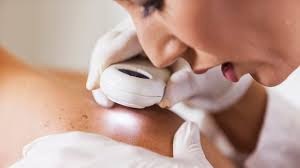
Dermatoscopy
A handheld device allows doctors to view skin structures more clearly.
Skin scraping
Samples may be examined under a microscope to detect fungal infections.
Patch testing
This test identifies allergic reactions to specific substances.
Skin biopsy
A small sample of skin tissue is analysed in a laboratory to confirm certain conditions.
These methods help distinguish between conditions that appear similar but require different treatments.
Tips to Reduce the Risk of Misdiagnosis
While diagnosis ultimately depends on medical professionals, patients can play an active role in helping doctors evaluate their skin condition accurately.
- Avoid self-treatment before medical consultation
Some creams change how a rash appears, which may complicate diagnosis. - Take photographs
Skin conditions sometimes change quickly. Photos help show how the rash develops over time. - Record symptoms and triggers
Note when symptoms start, what products you use, and whether foods, weather, or stress affect the rash. - Show all affected areas
Skin diseases often appear in patterns across the body. - Seek specialist care when necessary
Dermatologists specialise in skin diseases and often recognise conditions that general practitioners may see less frequently.
Final Thoughts
Skin conditions often resemble one another, especially in their early stages. Rashes caused by infections, inflammation, allergies, or immune reactions may share similar appearances. Because of these similarities, misdiagnosis sometimes occurs.
Accurate diagnosis allows the right treatment to begin and reduces the risk of unnecessary medications or prolonged symptoms. If a skin problem does not improve or continues to change, seeking further evaluation can help identify the true cause.
Maintaining healthy habits, paying attention to changes in your skin, and consulting qualified healthcare professionals remain the most reliable ways to protect your skin health.