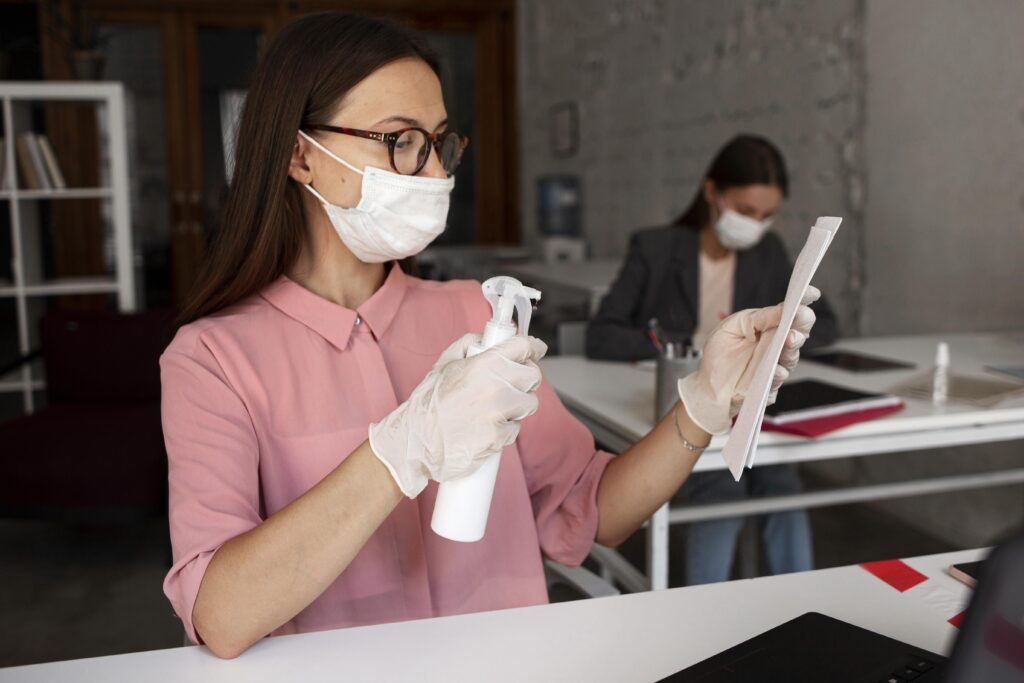

Madani cleaning service maintains a clean and organised office that is essential for productivity, employee wellbeing, and creating a professional impression for visitors. However, office cleaning can be more complicated than it seems. Even small errors can reduce efficiency, damage property, or compromise hygiene standards. Understanding the mistakes to avoid in professional office cleaning is key to ensuring your workplace stays spotless and safe.
-
Neglecting a Cleaning Plan
A common mistake is starting cleaning without a structured plan. Without a checklist or schedule, some areas may be missed or cleaned inconsistently.
How to avoid:
- Create a comprehensive office cleaning checklist covering desks, floors, kitchens, bathrooms, and common areas.
- Schedule daily, weekly, and monthly cleaning tasks to ensure all areas are regularly maintained.
- Assign specific responsibilities to staff or cleaning teams to prevent overlaps or gaps.
2. Using the Wrong Cleaning Products
Using harsh or inappropriate cleaning products can damage surfaces or leave residues. For instance, using abrasive cleaners on glass or wood can cause scratches or fading.
How to avoid:
- Use cleaning products suitable for each surface type.
- Incorporate eco-friendly and non-toxic products to ensure a safe office environment.
- Always follow manufacturer instructions and perform a small test in an inconspicuous area first.
3. Overlooking High-Touch Surfaces
High-touch areas, such as door handles, keyboards, light switches, and telephones, are hotspots for germs. Neglecting these can lead to the spread of illness.
How to avoid:
- Include high-touch surfaces in your cleaning checklist.
- Use disinfectants approved for workplace hygiene.
- Clean these surfaces multiple times per week, or daily during flu season.
4. Ignoring Clutter Before Cleaning
Cleaning around cluttered desks or piles of documents can reduce efficiency and increase the risk of missing spots.
How to avoid:
- Encourage employees to declutter the workspace for effective cleaning.
- Provide storage solutions such as filing cabinets and organisers.
- Make decluttering part of the daily or weekly office routine.
5. Rushing the Cleaning Process
Hurrying through cleaning tasks often results in missed areas and poor hygiene. Rushed cleaning can also increase the risk of accidents or injuries.
How to avoid:
- Allocate sufficient time for each task.
- Use trained staff who understand proper cleaning techniques.
- Prioritise quality over speed to maintain high standards.
6. Overlooking Soft Furnishings and Carpets
Soft surfaces such as carpets, sofas, and office chairs can accumulate dust, allergens, and bacteria. Failing to clean them regularly can impact indoor air quality.
How to avoid:
- Vacuum carpets and upholstery weekly.
- Schedule periodic deep cleaning for carpets and rugs.
- Consider steam cleaning for high-traffic areas to remove bacteria and dust mites.
7. Failing to Maintain Cleaning Equipment
Dirty or poorly maintained equipment can reduce efficiency and spread dirt instead of removing it.
How to avoid:
- Regularly inspect and clean cleaning tools, including mops, vacuum cleaners, and dusters.
- Replace worn-out equipment promptly.
- Train staff on the proper use and maintenance of all tools.
8. Not Considering Safety Protocols
Office cleaning involves risks such as slips, chemical exposure, or lifting heavy items. Ignoring safety protocols can lead to accidents or liability issues.
How to avoid:
- Use warning signs for wet floors.
- Provide gloves, masks, and other protective equipment.
- Train staff on safe lifting techniques and correct chemical handling.
9. Forgetting Eco-Friendly Practices
Sustainability is increasingly important in modern offices. Ignoring environmentally friendly practices can damage your company’s reputation.
How to avoid:
- Use biodegradable products in office cleaning to minimise environmental impact.
- Implement recycling programmes for waste.
- Reduce water and energy consumption wherever possible.
10. Inconsistent Monitoring and Feedback
Even with the best cleaning plan, without regular monitoring, standards may slip. Lack of feedback can prevent improvements.
How to avoid:
- Conduct regular inspections to ensure cleaning standards are met.
- Encourage staff to provide feedback on cleaning quality.
- Adjust cleaning schedules or methods based on observations and employee input.
Conclusion
Avoiding these common mistakes can dramatically improve the efficiency, hygiene, and professionalism of your office. By implementing structured plans, using the right products, focusing on high-touch areas, and maintaining equipment, your workplace can stay clean, safe, and welcoming for everyone. Paying attention to small details and fostering a culture of cleanliness ensures long-term benefits for both staff and visitors.
FAQs
- What is the most common office cleaning mistake?
Neglecting a proper cleaning plan and checklist is the most common mistake.
- How often should high-touch surfaces be cleaned?
High-touch surfaces should ideally be cleaned daily or multiple times per week.
- Can eco-friendly cleaning products be as effective?
Yes, biodegradable and non-toxic products can be highly effective when used correctly.
- How do I maintain cleaning equipment?
Clean and inspect tools regularly, replace worn-out items, and follow proper usage instructions.
- Why is decluttering important before cleaning?
Decluttering ensures cleaners can access all areas and improves cleaning efficiency.