
Scrotal swelling can feel worrying, uncomfortable, and sometimes painful. Many men notice changes in size, shape, or heaviness in the scrotum and immediately fear the worst. I want to reassure you right from the start: scrotal swelling has many possible causes, and several of them are treatable once you identify the problem early. This guide speaks directly to you as a patient or caregiver, explains the common reasons behind scrotal swelling, and helps you decide when medical help becomes essential.
I write this from the dual perspective of a medical professional and a content strategist who regularly explains health conditions in clear, practical language. My goal is to help you recognise symptoms, reduce anxiety, and take informed action without confusion.
What Is Scrotal Swelling?
Scrotal swelling refers to any enlargement, puffiness, or visible change in one or both sides of the scrotum. You may notice tightness, heaviness, redness, warmth, or pain. In some cases, swelling develops slowly over months. In others, it appears suddenly and needs urgent care.
The scrotum holds the testicles, blood vessels, nerves, and fluid-filled structures. Swelling often points to changes in one of these components. Paying attention to how and when the swelling appears gives you valuable clues about the cause.
Why You Should Never Ignore Scrotal Changes
Your testicles play a key role in hormone production and fertility. Changes in the scrotum sometimes signal infections, circulation problems, or structural issues that worsen without treatment. Early assessment protects your long-term health and helps avoid complications such as infertility or chronic pain.
If you feel embarrassed or unsure, remember that doctors deal with these concerns daily. Seeking help early often leads to simpler treatment and quicker relief.
Common Causes of Scrotal Swelling in Men
Below are the most frequent reasons for scrotal swelling. I explain what you may notice, why it happens, and when you should seek medical help.
1. Hydrocele (Fluid Buildup Around the Testicle)
A hydrocele develops when fluid collects in the thin sac surrounding a testicle. This condition often causes painless swelling and a feeling of heaviness. You may notice that one side of the scrotum looks larger, smooth, and tense.
Why a Hydrocele Forms
In adults, hydrocele often appears due to:
- Injury or trauma
- Inflammation after infection
- Previous surgery
- Age-related changes
How It Feels
- Usually painless
- Swelling may increase slowly
- Scrotum may feel heavy or stretched
Hydrocele Treatment Options
Doctors may recommend observation if the swelling stays mild and painless. If the hydrocele grows large or causes discomfort, medical treatment or minor surgery may help.
Some men also explore supportive approaches such as Herbal Treatment for Hydrocele alongside medical advice, particularly when symptoms remain mild.
You may also come across information on Natural Remedies for Hydrocele, which often focuses on lifestyle support, inflammation reduction, and circulation improvement. Always discuss these options with a qualified healthcare provider to ensure safety.
When to See a Doctor
- Swelling increases noticeably
- Pain or redness develops
- The scrotum feels unusually tight
2. Varicocele (Enlarged Veins in the Scrotum)
A varicocele forms when veins inside the scrotum become enlarged, similar to varicose veins in the legs. This condition usually affects the left side and often develops gradually.
Common Symptoms
- Dull aching pain, worse after standing
- Heaviness in the scrotum
- Visible or palpable twisted veins
Why It Matters
Varicoceles sometimes affect sperm quality and fertility. Many men remain symptom-free, but others experience discomfort or reproductive concerns.
When Medical Advice Helps
- Persistent ache or heaviness
- Fertility concerns
- Visible vein enlargement
3. Epididymitis (Inflammation Due to Infection)
Epididymitis occurs when the epididymis, a tube behind the testicle, becomes inflamed. Infections, including sexually transmitted infections or urinary tract infections, commonly cause this condition.
Symptoms You May Notice
- Rapid swelling on one side
- Pain and tenderness
- Warmth and redness
- Fever or chills
Why Prompt Care Matters
Untreated epididymitis can lead to abscess formation or fertility issues. Antibiotics often resolve the infection when started early.
Seek Medical Help Immediately If:
- Pain appears suddenly
- Fever accompanies swelling
- Urination causes burning or discharge
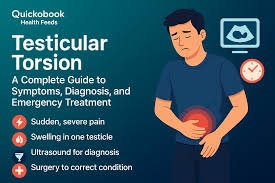
4. Testicular Torsion (Medical Emergency)
Testicular torsion occurs when the spermatic cord twists and cuts off blood supply to the testicle. This condition demands urgent treatment.
Warning Signs
- Sudden, severe pain
- Rapid swelling
- Nausea or vomiting
- One testicle sits higher than usual
Why Speed Saves the Testicle
Doctors need to restore blood flow within hours. Delays can cause permanent damage or loss of the testicle.
What to Do
Go to emergency care immediately. Do not wait or self-treat.
5. Inguinal Hernia
An inguinal hernia develops when part of the intestine pushes through a weak spot in the abdominal wall and descends into the scrotum.
How It Feels
- Soft bulge in the groin or scrotum
- Swelling increases when coughing or lifting
- Discomfort rather than sharp pain
When Hernias Become Serious
If the hernia becomes trapped, it can cut off blood supply and cause severe pain.
Get Medical Advice If:
- Swelling becomes painful
- The bulge feels firm or tender
- Nausea or bowel changes occur
- Testicular Infection (Orchitis)
Orchitis refers to inflammation of the testicle itself, often caused by viral or bacterial infections.
Common Symptoms
- Swelling and tenderness
- Fever
- Fatigue
- Pain that worsens with movement
Treatment Approach
Doctors treat orchitis with antibiotics or antiviral care depending on the cause. Rest and scrotal support aid recovery.
7. Testicular Trauma or Injury
A direct blow during sports, accidents, or physical activity can cause swelling, bruising, and pain.
What You Might Notice
- Immediate swelling
- Discolouration
- Sharp pain that may linger
Why You Should Still Get Checked
Even if pain improves, internal bleeding or rupture may exist. An ultrasound confirms the extent of injury.
8. Testicular Cancer
Testicular cancer remains less common but affects younger men more often than many realise.
Possible Signs
- Painless lump
- Firm swelling
- Heaviness in the scrotum
Early Detection Saves Lives
Most cases respond well to treatment when diagnosed early. Monthly self-examination helps you notice changes quickly.
When Should You Seek Medical Help?
You should contact a healthcare professional if you notice:
- Sudden or severe pain
- Rapid swelling
- Fever or chills
- Redness and warmth
- Changes lasting more than a few days
Urgent care becomes essential if pain appears suddenly or swelling worsens quickly.
How Doctors Diagnose Scrotal Swelling
Doctors typically rely on:
- Physical examination
- Ultrasound imaging
- Urine or blood tests
These tools help identify fluid, infection, circulation problems, or structural changes without invasive procedures.
Supporting Scrotal Health at Home
While medical care remains essential, certain habits support recovery and comfort:
- Wear supportive underwear
- Avoid heavy lifting during recovery
- Apply cold packs for short periods
- Maintain hygiene
- Stay hydrated
Some men also explore nutritional support and choose organic vitamins and supplements online UK to support general wellbeing, immune health, and inflammation balance. Always confirm supplement safety with your doctor, especially if you take medications.
Emotional and Mental Wellbeing Matters Too
Scrotal swelling often triggers anxiety, fear, or embarrassment. You may worry about fertility, masculinity, or serious illness. These feelings remain valid. Talking openly with a healthcare professional provides reassurance and clarity. Early diagnosis often brings relief faster than expected.
Key Takeaways You Can Act On Today
- Scrotal swelling has many causes, ranging from mild to urgent
- Painful or sudden swelling needs immediate care
- Painless swelling still deserves evaluation
- Early assessment protects fertility and long-term health
- Supportive lifestyle habits help alongside treatment
Final Thoughts
Scrotal swelling does not automatically mean something severe, but it always deserves attention. Listening to your body, noticing changes early, and seeking medical advice when needed gives you control over your health. Whether the cause relates to fluid buildup, infection, injury, or circulation, timely care leads to better outcomes and peace of mind.