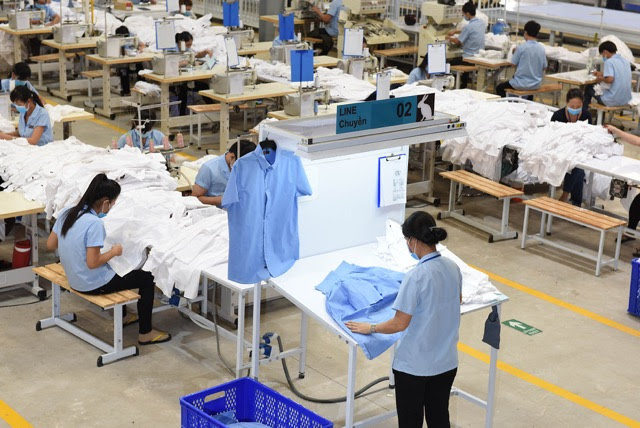

Starting a clothing brand is exciting, but one of the biggest challenges every founder faces is finding the right manufacturing partner. A clothing manufacturer for startups is not just a production facility—it is a long-term partner that helps turn your ideas into real, wearable products.
Many new brands fail not because of design issues, but because they choose the wrong factory too early. The right manufacturer can help you test, refine, and scale your clothing line with confidence.
In this guide, we’ll break down what startup-friendly clothing manufacturing really means and how you can choose the right partner for your brand.
Why Clothing Manufacturers Matter So Much for Startups
For startups, manufacturing is the foundation of the entire business. Unlike large fashion labels, new brands usually operate with:
- Limited budgets
- Small first collections
- Uncertain demand
- Need for fast testing
That means you cannot afford high minimum order quantities or poor communication.
A startup-friendly clothing manufacturer understands this reality and supports small-batch production instead of pushing large risky orders. Many modern manufacturers now specifically offer flexible systems for emerging brands, helping them move from concept to production without heavy financial pressure.
What Makes a Manufacturer “Startup-Friendly”
Not every factory is suitable for new brands. Based on industry practices, here are the key features you should look for.
1. Low Minimum Order Quantity (MOQ)
Startups need flexibility. Ordering thousands of units before testing the market is risky.
Good startup manufacturers usually offer low MOQs, sometimes starting from 30 to 100 pieces per design, allowing brands to test demand before scaling.
2. Sampling and Development Support
A strong manufacturer helps you refine your product through samples. This includes:
- Pattern making
- Fabric selection
- Fit adjustments
- Stitching improvements
Most successful brands go through multiple sample rounds before final production.
3. Full-Service Production Support
The best clothing manufacturers for startups offer end-to-end services such as:
- Tech pack development
- Fabric sourcing
- Cutting and sewing
- Printing or embroidery
- Quality control
- Packaging and logistics
This is especially helpful for founders who do not have technical garment production knowledge.
4. Clear Communication and Transparency
One of the biggest issues in clothing production is poor communication. Reliable manufacturers:
- Ask questions about your design
- Provide honest feedback
- Share timelines clearly
- Explain cost breakdowns
If a factory agrees to everything without clarification, it is often a red flag.
5. Specialization in Your Product Type
Different factories specialize in different categories such as:
- Streetwear
- Activewear
- Luxury basics
- Denim
- Kidswear
Choosing a specialist improves fit, fabric quality, and finishing consistency.
Types of Clothing Manufacturing Models for Startups
Understanding manufacturing models helps you choose the right setup.
OEM (Original Equipment Manufacturer)
You provide the design, and the factory produces it exactly as specified.
ODM (Original Design Manufacturer)
The factory provides pre-existing designs that you can customize.
Private Label Manufacturing
You brand existing products with your logo, labels, and packaging.
For beginners, private label is often the fastest and least risky way to enter the market.
How Startups Should Choose the Right Manufacturer
Here is a simple selection process that many successful brands follow:
Step 1: Start with Small Orders
Always begin with sampling and small batches before committing to bulk production.
Step 2: Evaluate Samples Carefully
Check:
- Fabric quality
- Stitching strength
- Fit and sizing
- Print or embroidery quality
Step 3: Test Communication
Your experience during sampling is a preview of future collaboration. Slow or unclear responses early on usually get worse later.
Step 4: Compare Cost vs Value
The cheapest option is not always the best. Poor quality can damage your brand reputation.
Common Mistakes Startups Make
Many new fashion brands struggle due to avoidable mistakes:
- Ordering too much inventory too early
- Not using proper tech packs
- Ignoring sampling stages
- Choosing factories based only on price
- Not checking previous work or references
Industry experience shows that communication and preparation are often more important than price alone.
How a Good Manufacturer Helps You Grow
A strong clothing manufacturing partner does more than production. They help you:
- Refine your product quality over time
- Scale production as demand grows
- Reduce errors in design execution
- Improve consistency across collections
- Launch faster with fewer risks
Some modern manufacturers even provide additional services like branding support, packaging, and digital guidance for new fashion brands, making them true business partners rather than just suppliers.
Final Thoughts
Choosing the right clothing manufacturer for startups is one of the most important decisions in building a fashion brand. It affects your product quality, customer satisfaction, and long-term scalability.
Start small, test carefully, and prioritize communication and flexibility over everything else. When you find a manufacturer that understands startup challenges, you’re not just producing clothes—you’re building a foundation for a sustainable brand.
If you approach manufacturing the right way, your first collection is not just a product launch—it becomes the beginning of a long-term fashion business.