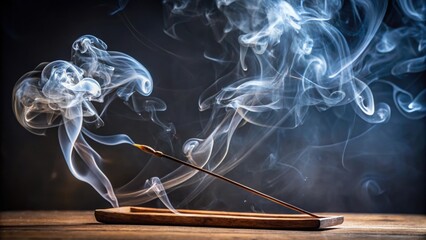

Across cultures and centuries, people have used fragrant smoke to cleanse living spaces. Long before modern concepts of stress, mental overload, or emotional hygiene, ancient civilizations understood that the atmosphere of a home affects those who live within it. Frankincense, with its slow-rising, resinous smoke, became one of the most valued tools for this purpose. Today, this ancient ritual continues to resonate, offering a quiet yet powerful way to restore balance in contemporary living environments.
The Meaning of Cleansing Beyond the Physical
Cleansing a home with frankincense has never been limited to removing unpleasant odors. In traditional understanding, the ritual addresses the invisible layer of a space – the emotional residue left behind by tension, conflict, fatigue, or prolonged stagnation. Every home absorbs daily experiences, moods, and interactions. Over time, this accumulation can create a heavy or restless atmosphere, even when everything appears orderly on the surface.
Frankincense smoke symbolizes release. As it moves through a room, it marks a transition from what has been to what is allowed to unfold next. This symbolic act remains meaningful even outside religious or spiritual frameworks, because it creates a conscious pause and a sense of renewal.
Why Frankincense Is Used for Home Cleansing
True frankincense, derived from Boswellia trees, has a grounding and stabilizing aroma. Unlike sharp or overly sweet scents, it does not overwhelm the senses. Instead, it settles into the space gradually, encouraging slower breathing and a calmer mental state. This makes it particularly suitable for home cleansing, where the goal is balance rather than stimulation.
Historically, frankincense was used in temples, homes, and communal spaces precisely because of this quality. Its aroma was believed to invite clarity, protect against disruptive influences, and restore harmony between people and their surroundings.
The Ritual as a Conscious Act
One of the most important aspects of cleansing with frankincense is intention. The ritual does not rely on complexity but on awareness. Preparing the charcoal, placing the resin, and allowing the smoke to rise creates a deliberate moment of focus. This act signals a shift from automatic routines to mindful presence.
Moving slowly through the home while the smoke disperses allows attention to return to the space itself. Corners, doorways, and quiet areas often receive special focus, not because they hold something negative, but because they tend to be overlooked. This movement reinforces the feeling that the home is being acknowledged and cared for as a living environment.
Frankincense and Emotional Atmosphere
Modern homes often carry invisible tension. Work-related stress, digital overload, and constant external stimuli follow people indoors. Frankincense helps soften this transition. Its aroma encourages the nervous system to slow down, which naturally affects how a space feels.
After cleansing, many people describe a subtle shift – the air feels lighter, sounds seem less intrusive, and the space becomes more inviting. These changes are not dramatic, but they are noticeable precisely because they affect perception rather than objects.
When to Cleanse the Home with Frankincense
There is no strict rule for timing. Traditionally, frankincense was used during transitions – the beginning of a new phase, after difficult events, or before gatherings. In modern life, similar moments apply. Moving into a new home, completing a demanding period, or simply feeling that a space has become heavy are natural times for cleansing.
Seasonal changes also provide a gentle rhythm for this ritual. Just as homes are aired out physically, they can be refreshed atmospherically.
A Ritual Adapted to Modern Life
What gives this ancient practice modern relevance is its simplicity. It does not require belief systems or elaborate preparation. Frankincense works through sensory experience and attention. Even a short moment of cleansing can reset the emotional tone of a home.
In a world dominated by speed and noise, the slow movement of smoke offers a counterbalance. It reminds the mind to pause and the body to relax. This is where the modern power of the ritual lies – not in mysticism, but in its ability to create stillness.
The Home as a Place of Return
Cleansing with frankincense reinforces the idea of the home as a place of return, not just shelter. It restores a sense of safety and continuity, allowing the space to support rest, reflection, and connection. Over time, the ritual becomes less about removing something unwanted and more about maintaining an atmosphere of ease.
Frankincense does not change the home itself. It changes how the home is experienced. And in that shift, ancient wisdom quietly meets modern need.