
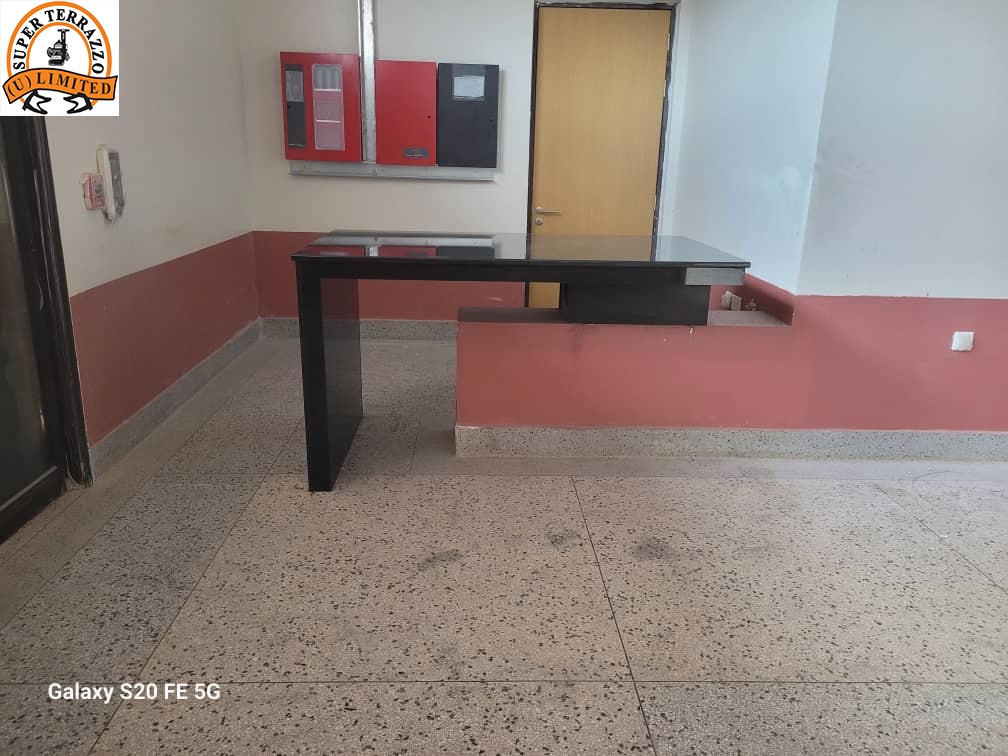

Granite is one of the most widely used natural materials in Uganda’s construction industry. Its strength, durability, and visual appeal make granite stone a preferred option for residential, commercial, and public projects. As demand continues to rise, the number of granite suppliers in Uganda has grown, giving buyers more options—but also making supplier selection more complex.
Choosing the right granite company is essential to ensure consistent quality, timely delivery, and long-term value. This guide explains how granite is used in Uganda, the types available, what to look for in a reliable supplier, and common mistakes to avoid.
Granite Stone in Ugandan Construction
Granite stone is valued for its hardness and resistance to wear, making it suitable for high-traffic and structural applications. In Uganda, granite is commonly used for:
- Flooring and wall finishes
- Kitchen countertops and worktops
- Staircases and window sills
- Exterior cladding and paving
- Commercial and institutional buildings
Its ability to withstand moisture, pressure, and temperature changes makes granite stone ideal for both indoor and outdoor use. This reliability has positioned granite as a long-term solution for many developers working with granite suppliers in Uganda.
Types of Granite Available Through Local Suppliers
Understanding granite options helps buyers choose materials that meet both design and performance needs. Reputable granite suppliers in Uganda typically offer several varieties based on size, finish, and appearance.
Granite Slabs
Slabs are large stone pieces commonly used for countertops, flooring, and wall applications. They provide a seamless and premium look.
Granite Tiles
Granite tiles are cut into standard sizes, making installation easier and more cost-effective. They are popular for residential and commercial flooring.
Polished Granite
Polished granite has a smooth, glossy finish that enhances colour and pattern. It is commonly used for interiors and decorative areas.
Textured Granite
Flamed or honed finishes create slip-resistant surfaces, making them suitable for outdoor spaces, staircases, and walkways.
A reliable granite company will explain which granite stone type works best for specific applications.
What to Look for in a Reliable Granite Company
Not all granite suppliers offer the same quality or service. Selecting the right granite company requires careful evaluation beyond pricing.
Material Quality
High-quality granite stone should have consistent colour, minimal cracks, and uniform thickness. Trusted granite suppliers in Uganda inspect materials before delivery.
Experience and Reputation
An experienced granite company understands sourcing, cutting, and supply logistics. Past projects and customer references help indicate reliability.
Transparency
Clear information about stone origin, finishes, sizing, and pricing reflects professionalism. Transparency reduces the risk of hidden costs.
Communication and Support
Reliable suppliers respond promptly to enquiries and provide guidance throughout the buying process, especially for large projects.
Quality, Consistency, and Supply Capacity
Consistency is critical for construction projects that require large quantities of granite stone.
Consistent Supply
Granite suppliers in Uganda should be able to supply the same stone type and finish throughout the project. Inconsistent batches can affect appearance and installation.
Volume Capability
A capable granite company should handle both small and large orders without compromising quality or timelines.
Quality Control
Suppliers with strong quality checks reduce the risk of defects, breakage, or installation issues.
Working with suppliers who prioritise consistency helps maintain project schedules and standards.
Common Mistakes Buyers Make When Sourcing Granite
Many issues arise from avoidable sourcing mistakes. Being aware of these can prevent delays and extra costs.
Choosing Price Over Quality
Low-cost granite stone may have defects or poor durability. Over time, repairs or replacements increase overall costs.
Skipping Supplier Research
Failing to assess a granite company’s track record can result in unreliable delivery or inconsistent quality.
Not Reviewing Samples
Granite is a natural material, and variations occur. Buyers should always inspect samples before committing.
Ignoring Logistics
Transportation and handling are crucial. Poor packaging or delayed delivery can damage granite stone and disrupt construction schedules.
Local vs Imported Granite Stone
Granite suppliers in Uganda may offer locally sourced or imported granite, each with advantages.
Local granite often provides faster delivery and lower transport costs. Imported granite may offer more colour and pattern choices for premium designs.
A reliable granite company explains both options and helps buyers choose based on budget and project needs.
Installation and Handling Considerations
Granite stone is heavy and requires skilled handling. Although suppliers may not install granite, experienced granite suppliers in Uganda often recommend trained installers.
Proper installation ensures:
- Structural stability
- Clean finishes
- Long-term durability
Even high-quality granite can underperform if installed incorrectly.
Long-Term Value of Granite Stone
Granite stone offers excellent long-term value. When sourced from a reliable granite company, it delivers decades of performance with minimal maintenance.
Its durability and timeless appearance often offset the higher initial cost compared to other materials, making it a smart investment for construction projects in Uganda.
Final Thoughts
Choosing the right granite suppliers in Uganda is essential for successful construction outcomes. High-quality granite stone enhances durability, appearance, and long-term value—but only when supplied by a dependable granite company.
By understanding granite types, evaluating supplier reliability, and avoiding common sourcing mistakes, buyers can make informed decisions. Partnering with experienced granite suppliers in Uganda ensures consistent quality, reliable supply, and results that stand the test of time.
