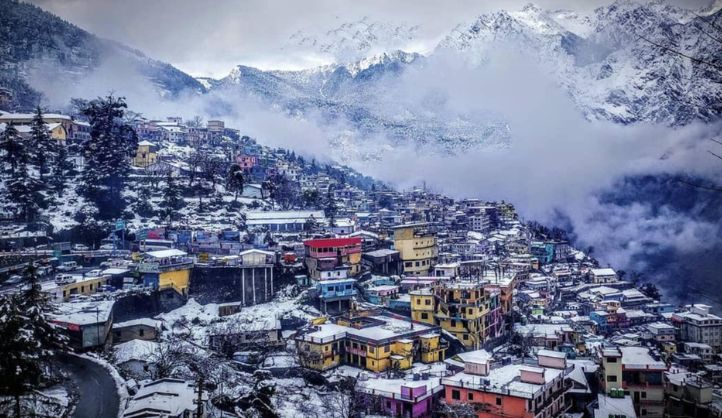

Char Dham Yatra, covering the sacred shrines of Yamunotri, Gangotri, Kedarnath, and Badrinath in Uttarakhand, is a deeply spiritual journey undertaken by thousands of devotees every year. While the yatra season generally runs from late April to October, the monsoon months of July and August bring a unique set of challenges. The Himalayas become more unpredictable during this period, and pilgrims must carefully understand the risks and take proper precautions to ensure a safe journey.
One of the biggest risks of undertaking Char Dham Yatra during monsoon is landslides. Continuous rainfall loosens soil and rocks in the mountainous terrain, leading to frequent road blockages and dangerous travel conditions. Key routes, especially those leading to Kedarnath and Yamunotri, are highly vulnerable to landslides. These can cause long delays, strand travelers for hours or even days, and in severe cases, pose serious threats to life. Road connectivity may be disrupted without warning, making travel plans uncertain.
Flash floods are another major concern during the monsoon season. Sudden heavy rainfall can lead to rapid water level rise in rivers and streams, especially in narrow valleys. The region has witnessed devastating incidents in the past, such as the 2013 Kedarnath disaster, which highlighted the destructive power of flash floods in the Himalayas. Even smaller incidents can damage roads, bridges, and infrastructure, making movement risky.
Slippery trekking routes also increase the difficulty of the yatra. Pilgrims heading to Kedarnath or Yamunotri often have to trek several kilometers, and during monsoon, these paths become muddy and hazardous. The chances of slipping, falling, or getting injured rise significantly. Ponies and palanquins, commonly used by pilgrims, may also face difficulty navigating these wet and unstable paths.
Health risks are another important factor to consider. The combination of cold weather, rain, and high altitude can lead to illnesses such as fever, cough, and altitude sickness. Wet clothes and prolonged exposure to rain can weaken the immune system, making pilgrims more susceptible to infections. In remote areas, access to medical facilities may be limited, which can complicate even minor health issues.
Poor visibility due to fog and heavy rain can affect both road and helicopter travel. Helicopter services to Kedarnath are often delayed or cancelled during monsoon because of unsafe flying conditions. This can disrupt travel plans and cause inconvenience to pilgrims who rely on these services. Drivers also face difficulty navigating hilly roads in low visibility, increasing the risk of accidents.
Despite these risks, some pilgrims still choose to undertake the yatra during monsoon due to fewer crowds and a more serene environment. For those planning to travel during this time, taking proper precautions is essential. The first step is to stay updated with weather forecasts and government advisories. Checking road conditions and travel updates before starting each day’s journey can help avoid risky situations.
Packing the right gear is crucial for monsoon travel. Pilgrims should carry waterproof jackets, sturdy trekking shoes with good grip, umbrellas, and extra sets of clothes. Keeping belongings in waterproof bags can protect important items like documents and electronics. A basic medical kit, including medicines for cold, fever, and altitude sickness, should always be part of the travel essentials.
Traveling with a reliable tour operator or in a group can enhance safety. Experienced operators are familiar with local conditions and can make better decisions in case of emergencies. Pilgrims should also ensure that their vehicles are in good condition and driven by experienced drivers who are used to mountain roads.
It is advisable to keep buffer days in the itinerary to account for unexpected delays. Rushing through the journey during monsoon can be risky, as weather conditions can change rapidly. Patience and flexibility are key to completing the yatra safely during this season.
Avoid traveling at night, especially in landslide-prone areas. Daytime travel is safer as visibility is better and help is more accessible if needed. Pilgrims should also follow all guidelines issued by local authorities and avoid restricted areas.
Char Dham Yatra in monsoon is not impossible, but it demands extra caution and preparation. The beauty of the rain-washed Himalayas can be mesmerizing, but the risks are real and should not be underestimated. By understanding the challenges and taking responsible precautions, pilgrims can make their journey safer while still experiencing the spiritual essence of this sacred pilgrimage.
God Idols, Pooja Murti, Religious Statues, Handmade God Statues Hotels in Uttarkashi – Uttarkashi Hotels Hotels in Chardham Chardham Hotels Online Chardham Hotels in Barkot – Barkot Hotels Hotels in Sitapur – Sitapur Hotels