
What is CAR-T Cell Therapy?
CAR-T cell therapy is not just another cancer treatment—it’s a revolutionary breakthrough that has completely changed how we fight blood cancers. Imagine your own immune system being trained like a specialized army, designed to recognize and destroy cancer cells. That’s exactly what CAR-T therapy does. It uses genetically modified T-cells (a type of white blood cell) to target cancer with incredible precision.
This therapy is especially effective in treating blood cancers such as leukemia, lymphoma, and multiple myeloma. What makes it even more fascinating is its personalized nature—each treatment is uniquely tailored to the patient. That’s why choosing the right hospital and specialist is crucial, especially for international patients.
How CAR-T Therapy Works
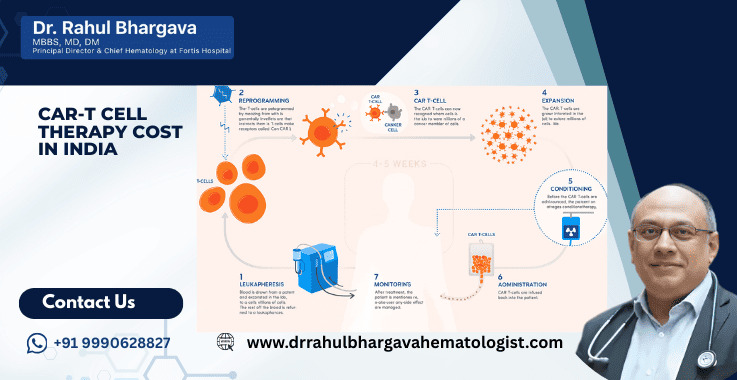
The process begins by collecting T-cells from the patient’s blood. These cells are then genetically engineered in a lab to produce special receptors called CARs (Chimeric Antigen Receptors). These receptors allow the T-cells to recognize cancer cells. Once modified, the cells are multiplied and infused back into the patient’s body.
Think of it like upgrading your immune system with smart technology. These enhanced cells act like guided missiles, targeting cancer cells while sparing healthy ones. This precision significantly reduces damage to normal tissues, which is a major drawback of traditional treatments.
Types of Cancers Treated with CAR-T
CAR-T therapy is primarily used for:
- Acute Lymphoblastic Leukemia (ALL)
- Diffuse Large B-Cell Lymphoma (DLBCL)
- Chronic Lymphocytic Leukemia (CLL)
- Multiple Myeloma
Ongoing research is expanding its application to solid tumors as well, which could redefine cancer treatment in the coming years.
Why Uzbekistan Patients Choose India for CAR-T Therapy
India has become a preferred destination for medical tourism, especially for advanced cancer treatments like CAR-T therapy. But why exactly are Uzbekistan patients choosing India over other countries?
Cost Advantage Compared to Western Countries
Let’s talk numbers—because they matter. In the United States, CAR-T therapy can cost anywhere between $400,000 to $500,000. In India, the same treatment is available at approximately $30,000 to $60,000. That’s nearly 80–90% savings without compromising on quality.
For Uzbekistan patients, this cost difference is life-changing. It makes a previously unaffordable treatment accessible and realistic.
Availability of Advanced Technology
Indian hospitals are equipped with cutting-edge technology and follow international treatment protocols. Many hospitals collaborate with global research institutions, ensuring that patients receive the latest and most effective therapies.
Doctors in India are also internationally trained and highly experienced in handling complex cases. This combination of affordability and expertise makes CAR-T therapy hospitals in India a top choice.
CAR-T Therapy Hospitals in India – What Makes Them Stand Out
When choosing a hospital for CAR-T therapy, it’s not just about infrastructure—it’s about trust, expertise, and outcomes.
Accreditation and Certifications
Top hospitals in India are accredited by global organizations such as NABH and JCI. These certifications ensure high standards of patient care, safety, and medical excellence.
Multidisciplinary Medical Teams
CAR-T therapy requires collaboration between hematologists, oncologists, immunologists, and critical care specialists. Indian hospitals excel in providing this integrated approach, ensuring comprehensive treatment from diagnosis to recovery.
Role of Expert Hematologists in CAR-T Therapy
Importance of Specialist Care
CAR-T therapy is highly specialized and requires expert supervision. Experienced hematologists play a crucial role in ensuring treatment success, managing side effects, and monitoring recovery.
Choosing the right doctor can significantly impact outcomes, especially for international patients traveling from Uzbekistan.
Step-by-Step CAR-T Treatment Process in India
Patient Evaluation and Diagnosis
The journey begins with a detailed medical evaluation. Doctors assess the patient’s condition, medical history, and suitability for CAR-T therapy.
Cell Collection and Engineering
T-cells are collected through a process called leukapheresis. These cells are then modified in a lab to target cancer cells effectively.
Infusion and Monitoring
Once the engineered cells are ready, they are infused back into the patient. Continuous monitoring is essential to manage potential side effects and ensure treatment success.
Cost of CAR-T Therapy in India for Uzbekistan Patients
Price Breakdown
| Component | Estimated Cost (USD) |
| Pre-treatment tests | $2,000 – $5,000 |
| CAR-T therapy | $30,000 – $60,000 |
| Hospital stay | $5,000 – $10,000 |
| Post-treatment care | $3,000 – $8,000 |
Factors Affecting Cost
Several factors influence the total cost, including hospital choice, patient condition, duration of stay, and additional treatments required.
Travel and Medical Visa Support for Uzbekistan Patients
India offers a streamlined medical visa process for international patients. Many hospitals provide dedicated international patient services, including visa assistance, airport pickup, accommodation, and language support.
For Uzbekistan patients, this makes the entire journey smooth and stress-free. You’re not just traveling for treatment—you’re being guided every step of the way.
Risks and Side Effects of CAR-T Therapy
Like any advanced treatment, CAR-T therapy comes with potential side effects. The most common include cytokine release syndrome (CRS) and neurological symptoms.
However, experienced doctors in India are well-equipped to manage these complications effectively. Early detection and prompt treatment significantly reduce risks.
Success Rate and Survival Outcomes
CAR-T therapy has shown remarkable success rates, especially in patients who have not responded to other treatments. Studies indicate remission rates of up to 70–90% in certain blood cancers.
For many patients, this therapy offers a second chance at life—a chance that was once considered impossible.
Conclusion
Choosing the right destination for cancer treatment is one of the most important decisions a patient can make. India stands out as a global leader in advanced therapies, offering a perfect balance of affordability, expertise, and technology. For Uzbekistan patients, CAR-T therapy hospitals in India provide not just treatment, but hope, healing, and a renewed future.
FAQs
1. Is CAR-T therapy available in India for international patients?
Yes, many top hospitals in India offer CAR-T therapy and provide complete support for international patients, including those from Uzbekistan.
2. How long does CAR-T treatment take in India?
The entire process usually takes 3 to 6 weeks, including evaluation, cell processing, and recovery.
3. Is CAR-T therapy safe?
While it has some side effects, it is generally safe when performed under expert supervision in specialized hospitals.
4. Do Indian hospitals provide translators for Uzbekistan patients?
Yes, most hospitals offer language assistance and dedicated international patient services.
5. What is the success rate of CAR-T therapy?
Success rates vary depending on the cancer type but can reach up to 90% in certain cases.